US signs civilian nuclear power accord with Saudi Arabia
The agreement would support a Saudi civilian nuclear program and is subject to congressional review under the Atomic Energy Act.
By Sarah Jenkins · Chief Macro Economics Correspondent
· 3 min read
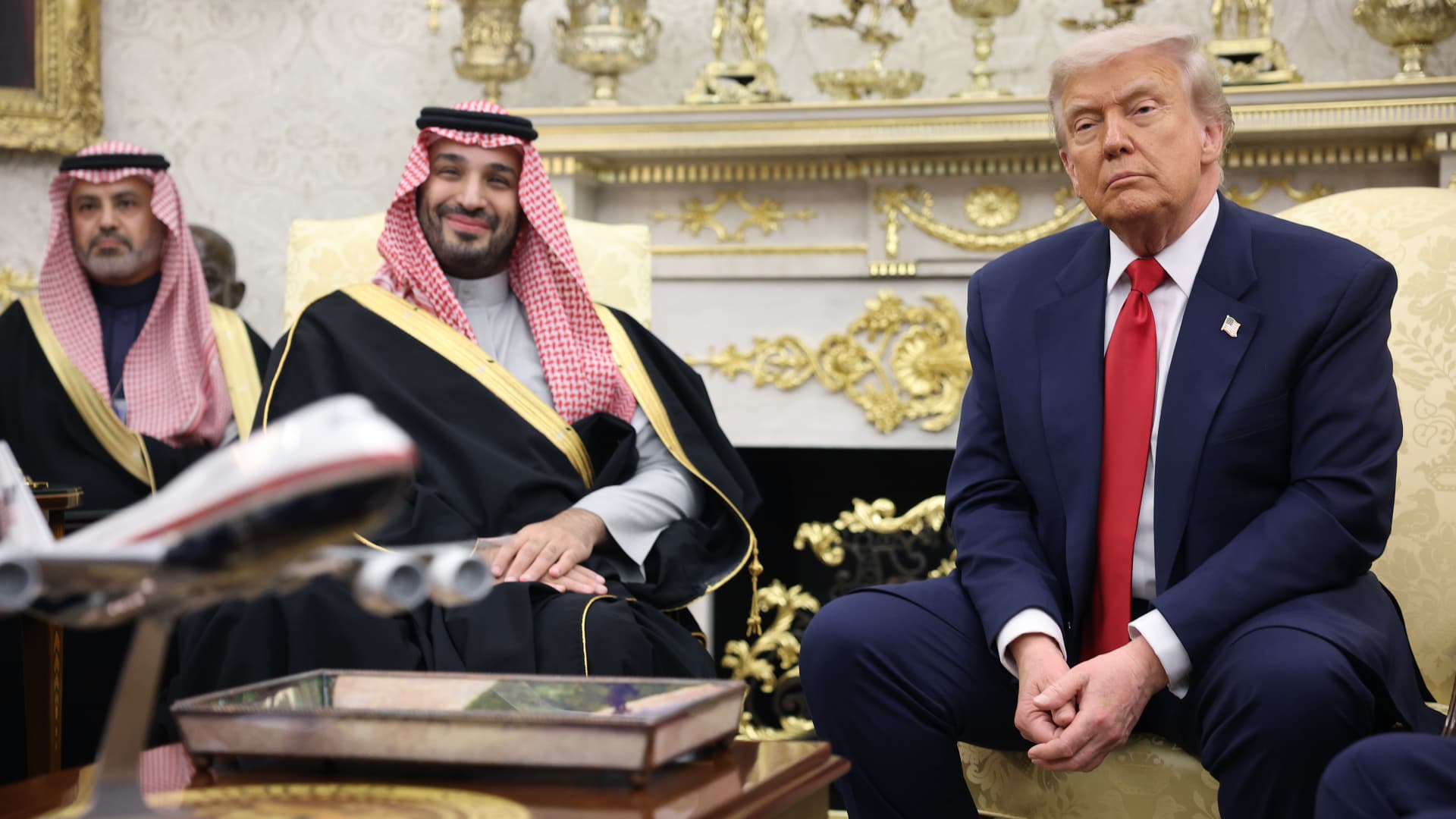
The United States signed an agreement with Saudi Arabia on Wednesday to help develop a civilian nuclear power program in the kingdom. The accord opens a formal channel for cooperation in a sector that is sensitive for energy markets, non-proliferation policy and the strategic relationship between Washington and Riyadh.
Substantial U.S. cooperation with another country on civilian nuclear power is subject to review by Congress under the Atomic Energy Act, according to a Congressional Research Service summary published by Congress. That review requirement makes nuclear cooperation different from many commercial energy deals, because it places the transfer of U.S. nuclear expertise and related support inside a statutory foreign-policy process.
The agreement comes as Saudi Arabia remains heavily dependent on fossil fuels for domestic energy. The International Energy Agency says the kingdom generates nearly 60% of its electricity from natural gas and about 40% from oil, leaving nuclear power outside the current structure of its electricity supply.
Saudi Arabia is also the largest oil producer in OPEC. Any long-term move to add nuclear generation would sit alongside the kingdom’s role in global crude markets, although the agreement announced Wednesday concerns civilian nuclear development rather than oil production policy.
Congressional review is central to the process
Under the Atomic Energy Act framework cited by the Congressional Research Service, major U.S. civilian nuclear cooperation with foreign governments cannot proceed as a routine bilateral energy project. Congress has a review role because nuclear technology, even when intended for power generation, carries security and non-proliferation implications.
The mechanism matters for investors and policymakers because it can affect the timing and scope of U.S. participation. A nuclear cooperation agreement may create a pathway for future technical, commercial or governmental engagement, but the statutory review process is a gating factor for any significant U.S. role.
The available announcement did not provide project-level details such as reactor type, construction timeline, financing structure or participating companies. It identified the agreement as a step toward developing a civilian nuclear program in Saudi Arabia.
Regional context shapes the accord
The U.S.-Saudi agreement was reached as Washington is bombing Iran in an effort to force Tehran to renounce its nuclear ambitions. That context places the Saudi civilian nuclear initiative inside a wider regional debate over nuclear capability, energy security and U.S. influence in the Middle East.
For Saudi Arabia, the current electricity mix underscores the scale of any potential diversification. According to the IEA figures, natural gas and oil together account for virtually all domestic power generation. Nuclear power, if eventually deployed, would represent a new source in a system now dominated by hydrocarbons.
For the United States, the agreement adds another dimension to its economic and defense relationship with Saudi Arabia. Civilian nuclear cooperation can support energy development, but it also requires safeguards and political scrutiny because of the technologies involved.
The next formal step for any substantial U.S. nuclear cooperation will be shaped by the Atomic Energy Act review process in Congress. Until further terms are made public, the agreement marks a policy opening rather than a defined construction program.
This story draws on original reporting from CNBC.