US sets 25% tariff on most Brazilian imports after trade probe
The duties take effect July 22 under Section 301, with a separate forced-labor inquiry potentially adding more costs for Brazilian exporters.
By Sarah Jenkins · Chief Macro Economics Correspondent
· 3 min read
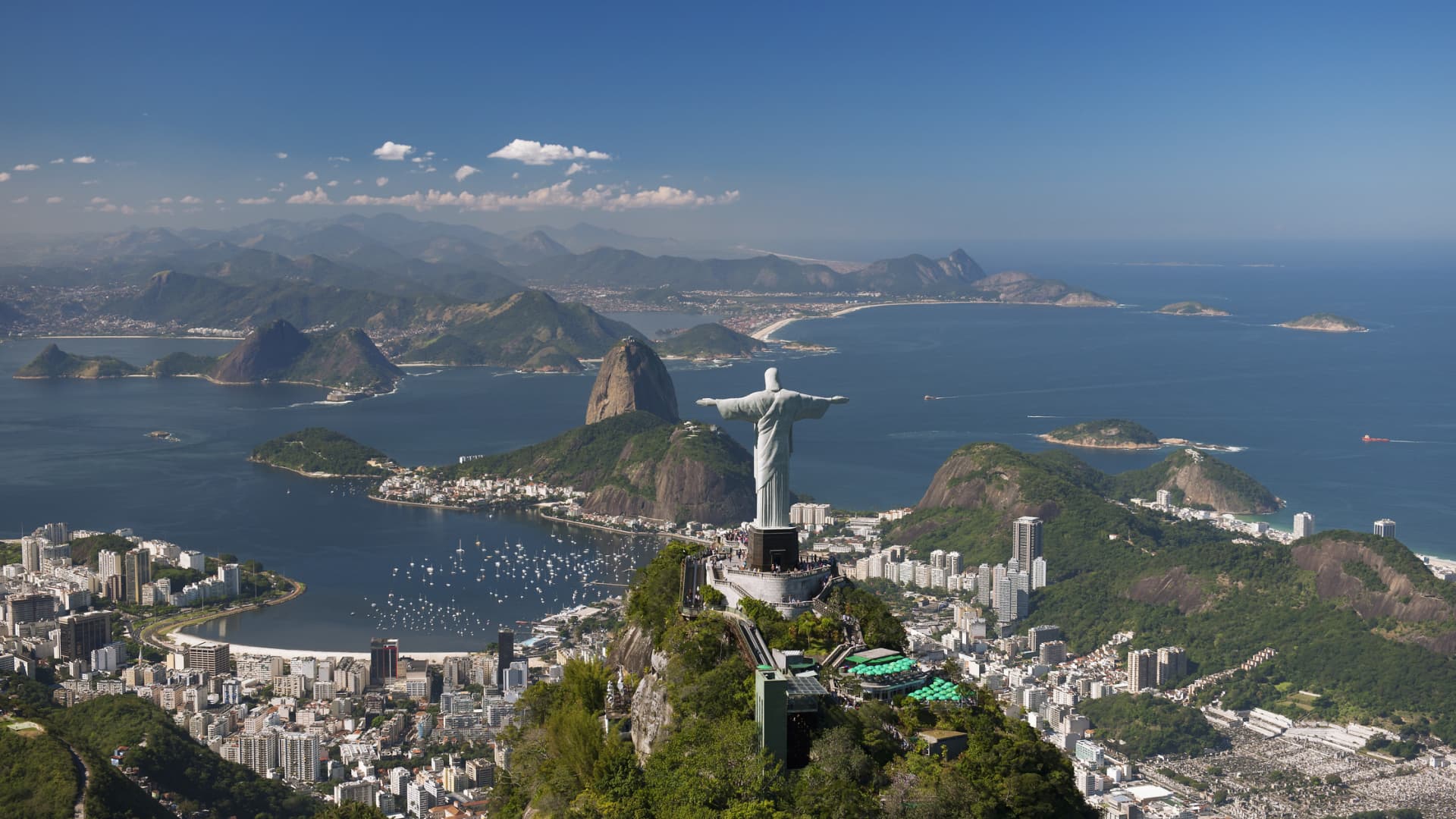
The United States will apply a 25% tariff to most goods imported from Brazil from July 22, after a yearlong trade investigation by Washington. The measure raises costs for Brazilian exporters into the U.S. market and adds pressure to relations between the two countries ahead of Brazil’s October presidential election.
The action was taken under Section 301 of the Trade Act of 1974, according to the Office of the U.S. Trade Representative. That statute gives Washington authority to investigate foreign trade practices it deems unfair and to impose duties when such practices are found, without seeking new approval from Congress.
USTR said the tariffs are intended to offset practices it says disadvantage U.S. workers and companies. The agency identified several areas of concern, including Brazilian court orders affecting U.S. technology companies such as X, Meta and Google, which Washington says required removal of some political content and suspension of accounts held by U.S. residents.
The U.S. also cited Brazil’s preferential tariffs for Mexico and India, weak enforcement of intellectual property rules and barriers in the ethanol market, according to USTR. The new 25% levy will cover most Brazilian imports, though some categories are excluded, including beef, orange juice, aircraft and aircraft parts, and energy products.
Brazil’s trade ministry did not immediately respond to a request for comment from CNBC.
The tariff decision follows the collapse of negotiations between the two governments after months of contact. CNBC reported that Brazilian officials and USTR representatives held several high-level meetings in recent weeks before the U.S. announcement.
Secretary of State Marco Rubio, writing on X after the announcement, said President Luiz Inacio Lula da Silva’s government had “not negotiated in good faith.” Rubio said the duties were the cost of Lula “putting his own ego ahead of making a deal.”
Lula said last month, according to Al Jazeera, that Brazil would not accept the treatment it had received from Washington after President Donald Trump proposed the additional 25% tariff.
The new action comes after a February Supreme Court ruling struck down Trump’s earlier 50% tariffs on Brazilian goods, while leaving in place a 10% global tariff, according to CNBC. Trump has since used Section 301 investigations as a way to pursue country-specific trade measures based on findings of unfair practices.
Brazil could face a further tariff increase from a separate U.S. investigation into forced-labor enforcement. Reuters reported that the inquiry could lead to an additional 12.5% duty on Brazilian goods, which would be added to the 25% tariff if adopted. A decision in that probe is expected next week, according to Reuters.
The dispute has entered Brazil’s domestic politics as the country moves toward an October presidential election. Lula has accused Senator Flavio Bolsonaro of helping set off the tariff action following a visit to Washington. Bolsonaro denied the allegation and said he intended to press the Trump administration to postpone the tariffs until after the election, Reuters reported.
This story draws on original reporting from CNBC.