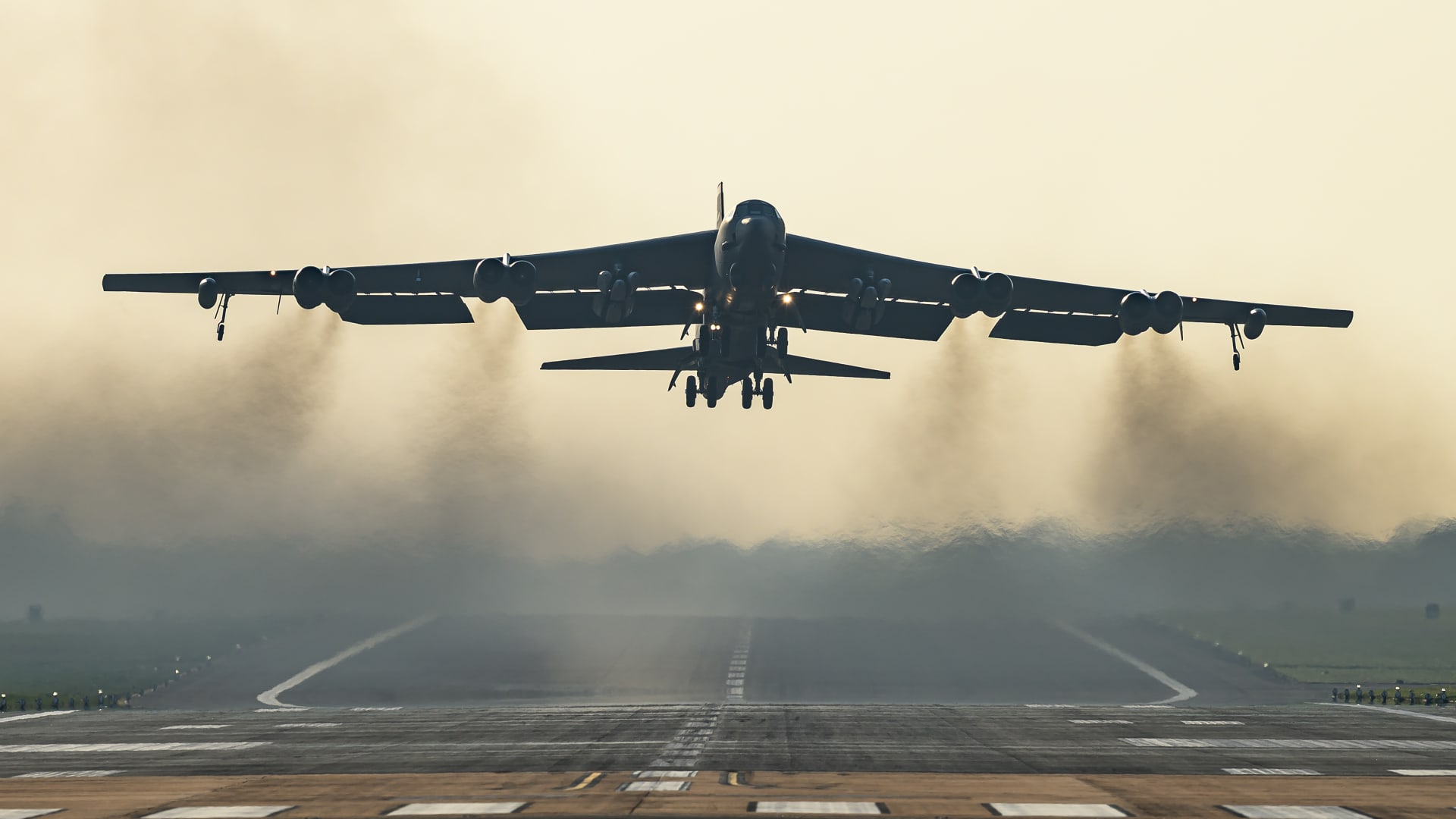
U.S. says seventh night of Iran strikes has ended as oil prices climb
Centcom said it hit Iranian military and maritime targets while enforcing a naval blockade, as Gulf states reported attacks and crude benchmarks rose.
By Sarah Jenkins · Chief Macro Economics Correspondent
· 3 min read
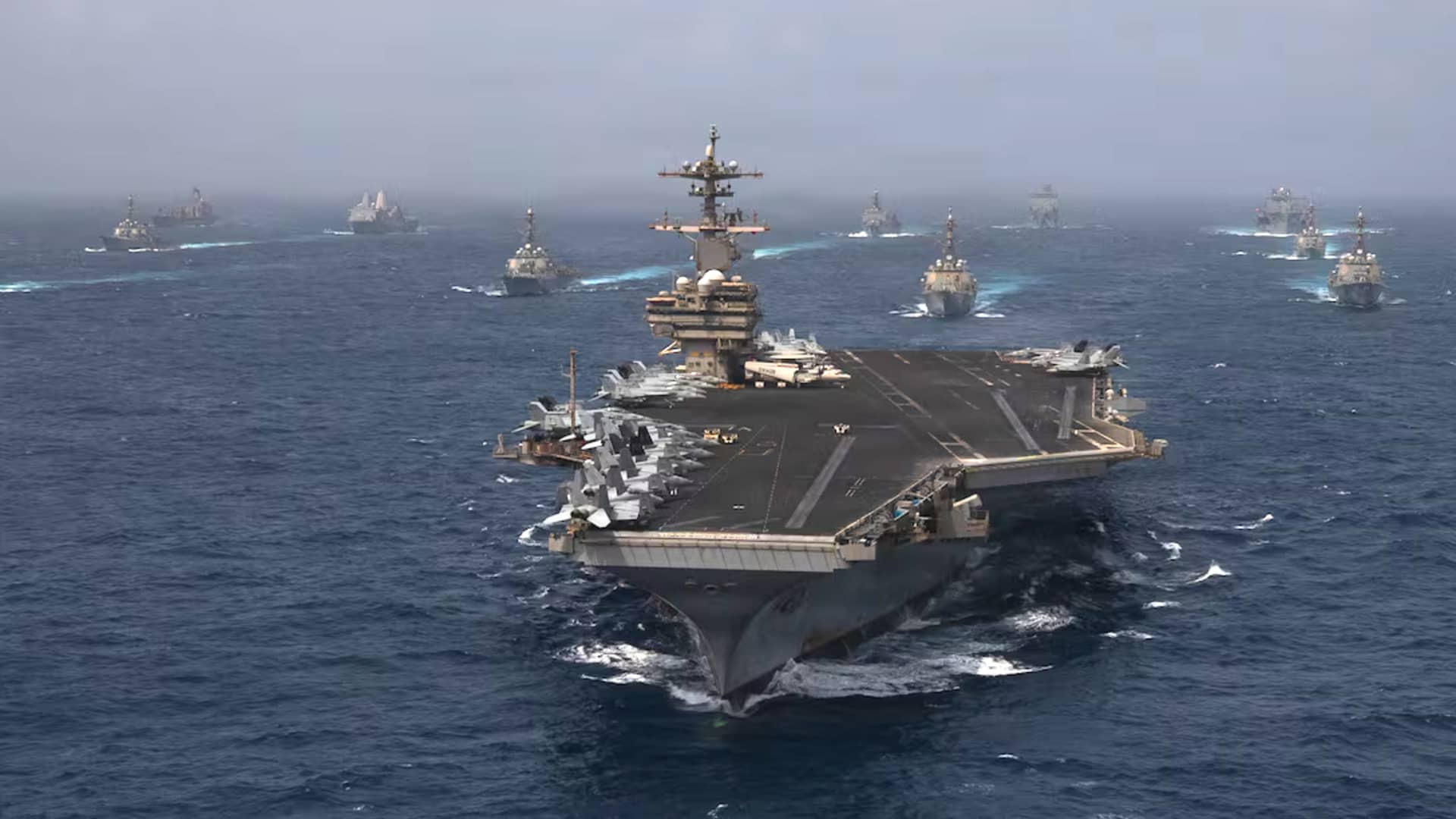
The U.S. military said it completed a seventh consecutive night of attacks on Iran, while shipping in the Strait of Hormuz faced further disruption and Gulf states reported Iranian projectiles. Oil prices rose sharply Friday, with Brent crude for September delivery up 4.6% at $88.10 a barrel and U.S. West Texas Intermediate for August delivery up 4.5% at $82.49, their highest levels since mid-June.
U.S. Central Command said the latest operation ended at 9:30 p.m. Eastern time on Friday and targeted Iranian military support networks, weapons storage sites below ground and maritime assets. In a post on X, Centcom said it was acting at the direction of President Donald Trump and continuing to enforce a naval blockade on Iranian ports.
The blockade is intended to restrict maritime movement linked to Iran by stopping, redirecting or boarding vessels to check compliance. Centcom said that during the first three days of the renewed enforcement effort, U.S. forces redirected four commercial vessels, disabled one and boarded one.
Iran gave a different account of maritime events. The Islamic Revolutionary Guard Corps said it stopped four vessels early Saturday as they tried to pass through the Strait of Hormuz under U.S. protection, according to Iran’s IRNA news agency. IRNA quoted the IRGC Navy Command as saying the vessels were halted and immobilized at sea in a coordinated missile and drone operation.
Gulf states report attacks
Kuwait said its air defenses were responding to hostile drone threats. The Kuwait News Agency said an Iranian strike on a power and water distillation station started a fire and caused no casualties. It was the second reported attack on Kuwait’s water facilities in two days.
Kuwait relies heavily on desalination for drinking water. A cited study said seawater desalination plants meet almost 90% of water demand in the arid country, making damage to such facilities a material infrastructure risk.
Kuwait Airways said it rescheduled most flights, citing hostile missile and drone attacks after what it called Iranian aggression. Bahrain’s government said early Saturday that its air defense systems intercepted several Iranian projectiles and activated sirens to warn residents.
Iran said Friday that it had struck U.S. military forces in Syria and Bahrain. The report came as the truce signed by Washington and Tehran last month showed further strain. The interim deal was intended to reopen the Strait of Hormuz and halt a conflict that began with U.S. and Israeli strikes on Iran on Feb. 28.
Washington signals continued pressure
Trump said Thursday in a prime-time address that the conflict was going well for the United States. “We are likewise winning big in Iran, and you will see the fruits of that labor very, very shortly,” he said.
The U.S. president had threatened to strike Iran’s bridges and power plants next week if Tehran did not return to negotiations. Ian Lesser, a distinguished fellow at the Washington-based German Marshall Fund, told CNBC there was a risk that the United States and Iran could become locked in a prolonged conflict.
“There’s a risk of this, but of course we were in essentially a cold and occasionally hot war with Iran for decades,” Lesser said. He added that U.S. military strength could still be undermined by strategic errors.
For the week, Brent and WTI each gained about 16%, according to the market data cited. Brent was on track for a third straight weekly advance, while WTI was set for its second.
This story draws on original reporting from CNBC.