US strikes Iran again after Hormuz container ship attack
Central Command said the latest U.S. strikes followed an Iranian attack that disabled a Cyprus-flagged container ship in the Strait of Hormuz.
By Sarah Jenkins · Chief Macro Economics Correspondent
· 3 min read
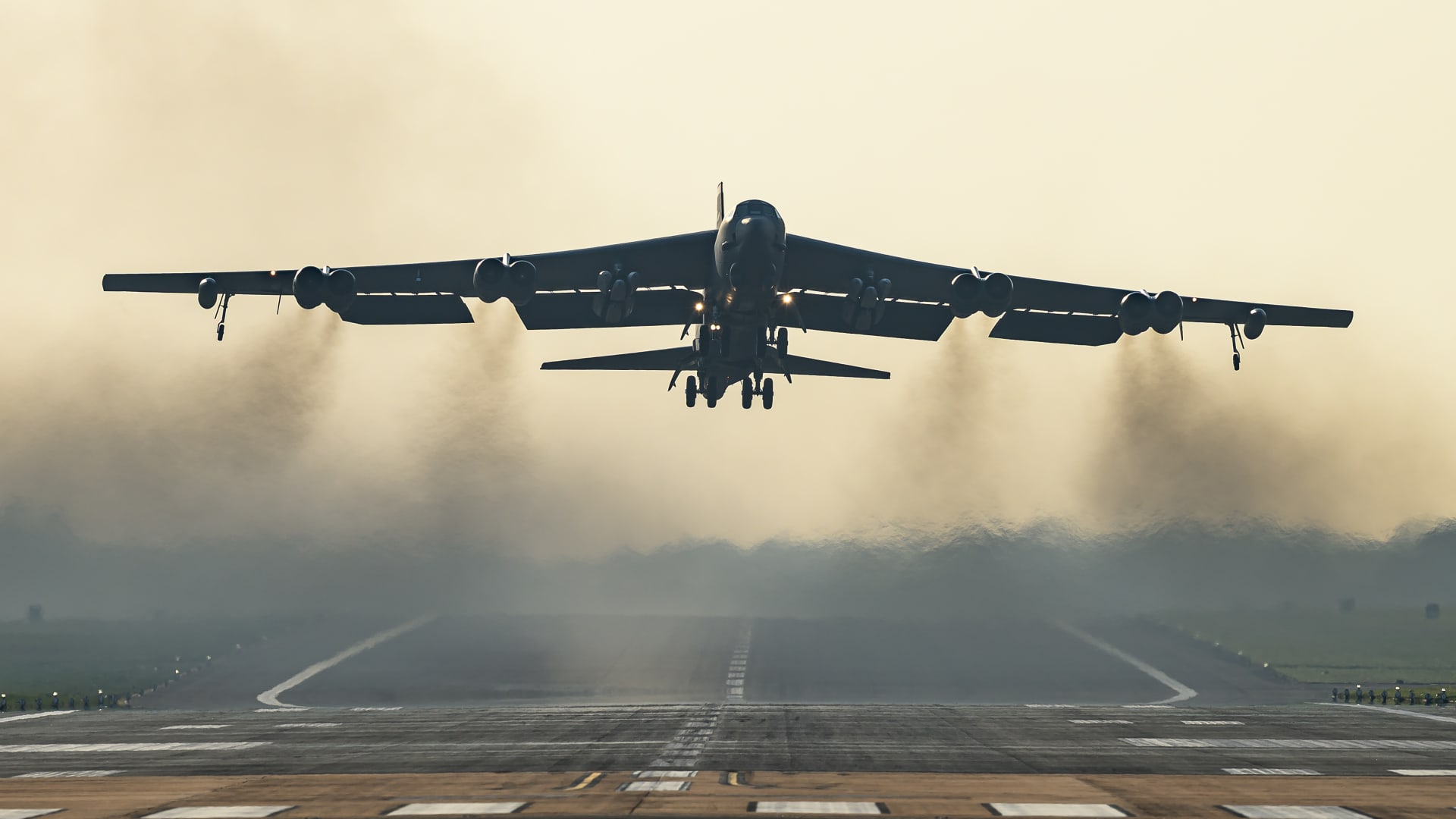
The U.S. military conducted a third round of airstrikes against Iran this week after President Donald Trump ordered a response to an Islamic Revolutionary Guard Corps attack on a container ship in the Strait of Hormuz, U.S. Central Command said Saturday. The escalation has direct implications for Gulf energy and trade flows, with Iran’s Revolutionary Guard saying it has closed the strait to all ship traffic and Washington saying its forces will keep commercial passage open.
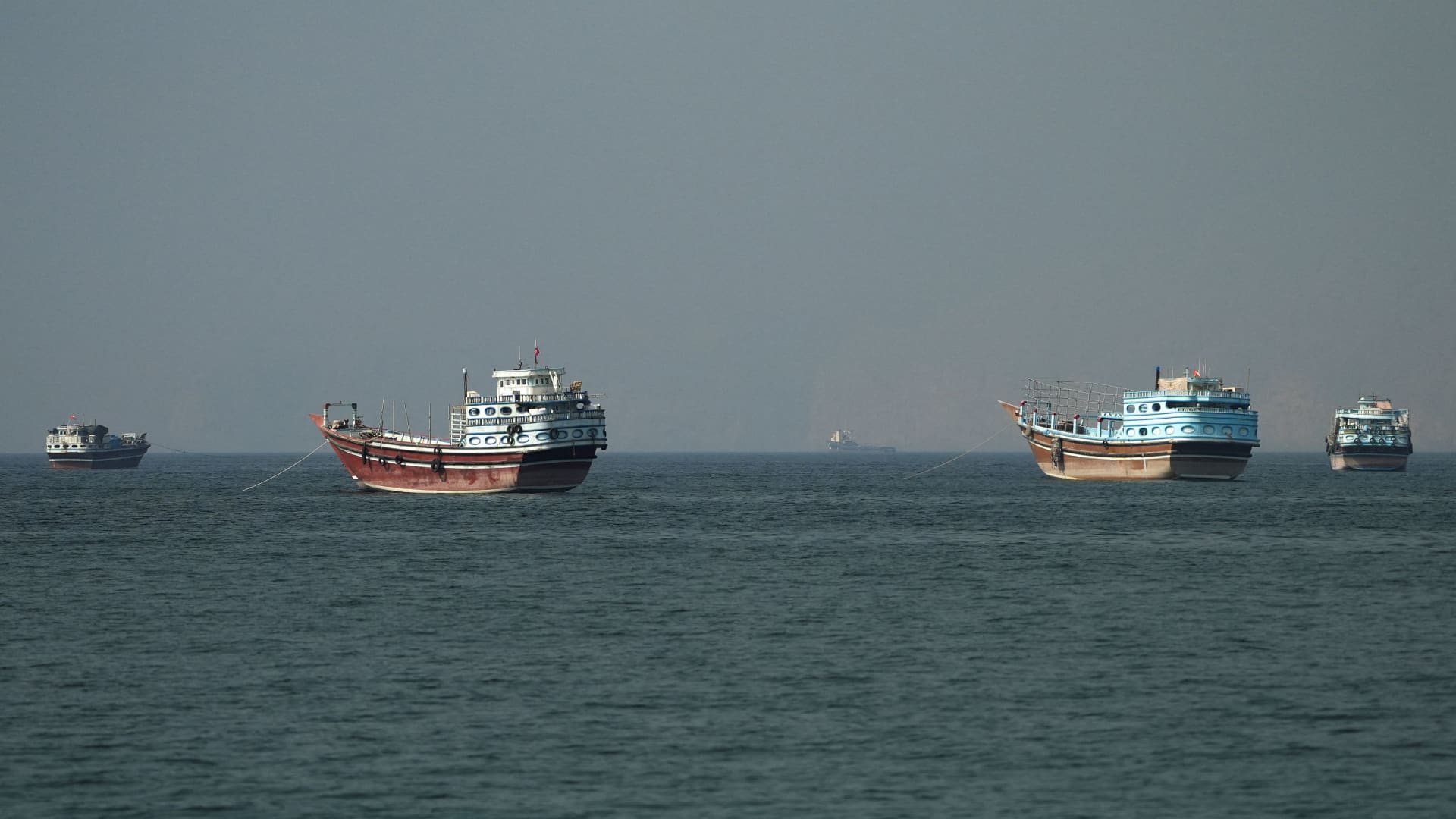
Central Command said the M/V GFS Galaxy, a Cyprus-flagged container ship, was unable to continue its voyage after the Iranian attack caused a fire on board and serious damage in the engine room. One civilian crew member is missing, according to Central Command.
In a social media statement, Central Command said the U.S. response was intended to impose costs on Iran by reducing its capacity to attack civilian mariners and commercial ships using the strait. The command said the vessels were transiting Hormuz freely when targeted.
Iran’s Revolutionary Guard said it had shut the waterway “until further notice,” according to PressTV, Iran’s state news outlet. “No vessel will be permitted to transit the strait,” the Guard said in a statement published by PressTV.
The U.S. strikes on Saturday were the third American bombing of Iran in a week in response to attacks on commercial vessels moving through Hormuz, according to Central Command. The latest incident adds pressure to a fragile arrangement reached last month between Washington and Tehran over passage through the strait.
Route dispute at the center of the crisis
Iran has targeted ships using a southern route along Oman’s coast that is protected by the U.S. military, according to U.S. accounts. Tehran is demanding that vessels instead use a northern route through Iranian territorial waters.
The disagreement stems from a June 17 memorandum of understanding between the U.S. and Iran that was meant to reopen the strait. Under that arrangement, Iran said it would use its best efforts to provide safe passage for ships moving through Hormuz and agreed not to charge a toll for 60 days. The agreement did not define the exact routes vessels should use.
That gap has become the operative fault line. A shipping route determines which coastal state’s waters a vessel enters, which forces can offer protection and which authorities may try to regulate or charge traffic. In this case, the U.S. is backing passage along Oman’s side of the strait, while Iran is pressing ships into waters it controls.
David Goldwyn, who served as the U.S. State Department’s special envoy for international energy affairs under former President Barack Obama, said the agreement failed to resolve the central issue. “The underlying problem here is that the memorandum of understanding did not reach an understanding with respect to the management of ship traffic through the strait,” Goldwyn said. “It essentially punted that issue.”
Energy Secretary Chris Wright said at a New York conference on June 24 that the U.S. military would “assure the flow of energy out of the Gulf with or without an agreement with Iran.” He also said Iran would not retain the ability to close the Strait of Hormuz, describing that leverage as something Washington was taking away.
The competing claims leave commercial operators facing military action, route uncertainty and a declared Iranian closure. Central Command has framed the U.S. strikes as a response to attacks on civilian shipping, while Iran’s Revolutionary Guard has asserted authority to halt traffic through the strait.
This story draws on original reporting from CNBC.