Vivani tests semaglutide implant aimed at GLP-1 adherence problem
Novo Nordisk has agreed to evaluate Vivani’s experimental semaglutide implant, a long-acting device still awaiting human trial data.
By Marcus V. Thorne · Markets Editor
· 4 min read
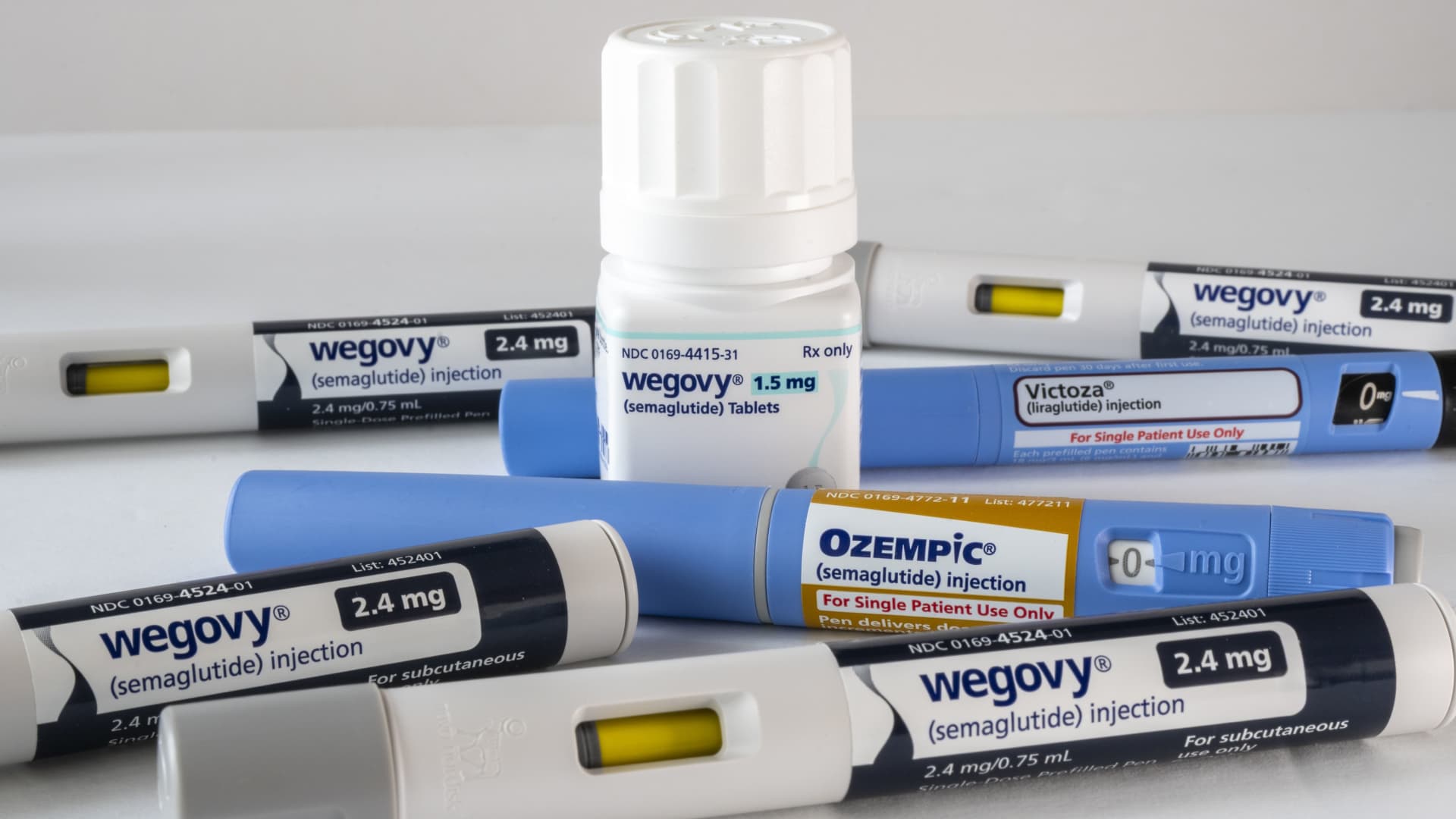
Vivani Medical is developing a semaglutide implant designed to keep patients on GLP-1 therapy for months at a time, targeting an adherence problem in a drug class that some analysts expect could exceed $100 billion in annual sales by the early 2030s. Novo Nordisk, maker of Wegovy and Ozempic, said this week it had entered an agreement with Vivani to evaluate the company’s lead implant, NPM-139.
The device remains years from potential commercial use. Vivani must first generate human safety, tolerability and efficacy data, then pass larger clinical trials and regulatory review before patients could receive it outside studies.
GLP-1 medicines have reshaped obesity and diabetes treatment, but persistence on therapy has been difficult. CNBC reported that studies have estimated roughly half or more of patients stop GLP-1s within a year, with side effects, out-of-pocket costs, injection fatigue and stigma among the reasons patients discontinue treatment. Doctors say stopping can increase the risk of regaining weight.
How the implant is intended to work
Vivani’s implant is a small titanium reservoir filled with semaglutide, the active ingredient in Novo Nordisk’s Wegovy obesity injection and Ozempic diabetes treatment. The company is developing versions that could deliver different doses, allowing physicians to match an implant to a patient’s established semaglutide regimen.
According to Vivani Chief Executive Adam Mendelsohn, the device uses a membrane with microscopic channels that allow semaglutide molecules to leave the reservoir gradually. The implant has no pump or mechanical moving parts; the membrane controls the drug’s release.
Vivani says the approach could produce steadier drug exposure than periodic injections and may reduce side effects such as nausea and vomiting. That has not been demonstrated in human trials. Mendelsohn told CNBC the company initially sees the implant as a maintenance product: patients would first reach an appropriate dose using injections or pills, then switch to an implant for longer-term therapy.
The version now in development would be removed and replaced every six months. Vivani ultimately hopes to develop a product lasting a full year. Mendelsohn said the insertion would be performed in a doctor’s office under local anesthesia, likely in the upper arm or abdomen, and could be removed if needed.
Questions for doctors and insurers
Physicians interviewed by CNBC said the concept could appeal to patients who struggle with weekly injections or daily pills, but they emphasized that clinical evidence is still lacking. Dr. Miranda Stiewig-Rapp, director of UC Davis Health’s Obesity Clinic, told CNBC she wants to see whether patients can remain on the implant over time and said she is skeptical until data are available.
Doctors also raised practical concerns. Dr. Amy Rothberg, a clinical professor of medicine at the University of Michigan, told CNBC that office procedures, training, billing and management of complications could make adoption harder for some obesity and endocrinology practices. She also said the model may be less convenient for patients who currently obtain GLP-1s through telehealth providers.
The economics remain unresolved. Vivani has not set a potential price, and insurance coverage is unknown. Mendelsohn told CNBC he expects the implant could cost less than injections because patients may need one or two devices per year rather than weekly auto-injector pens, but that remains a company expectation rather than a confirmed payer decision.
Next clinical steps
Vivani said in June that an Australian human research ethics committee approved SLIM-1, its first human trial of the semaglutide implant. The phase one study is expected to begin in mid-2026 and enroll about 20 overweight or obese adults who have not previously used GLP-1 medicines.
Participants will be randomized to receive either the implant or low-dose weekly Wegovy over four weeks. Vivani said the primary goals are safety, tolerability and pharmacokinetics, meaning how the drug is absorbed and released over time. Weight loss will also be measured.
If results are positive, Vivani plans a phase two study, SLIM-2, to test several implant doses and assess weight-loss effects before any larger late-stage trials required for approval.
This story draws on original reporting from CNBC.