Warren questions Pentagon BOND program over Wall Street hiring
Sen. Elizabeth Warren asked the Defense Department to explain ethics controls around private-sector recruits and high-paid Wall Street hires.
By Marcus V. Thorne · Markets Editor
· 3 min read
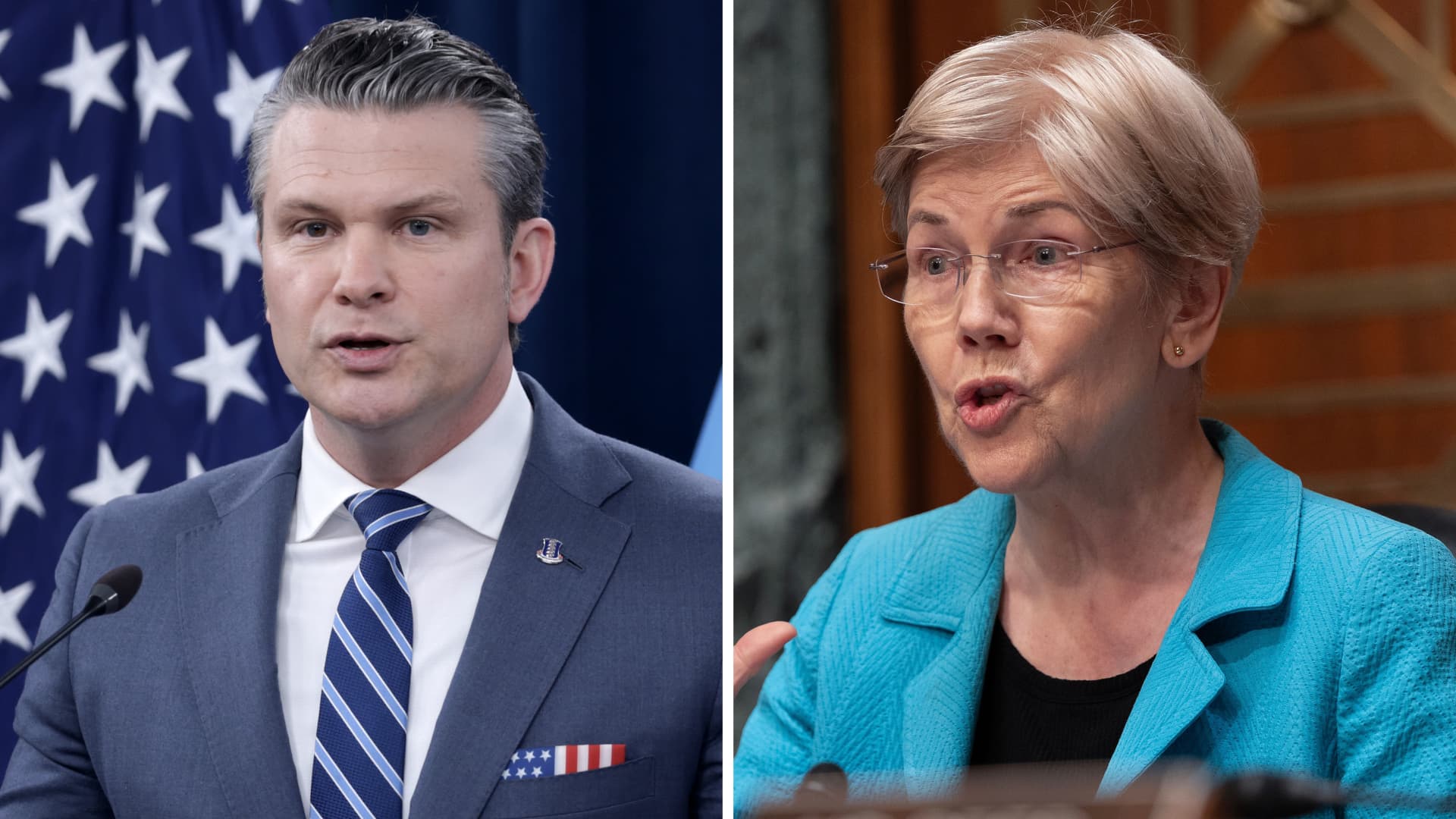
Sen. Elizabeth Warren is pressing the Defense Department for details on the Warren Pentagon BOND program inquiry, citing possible conflicts tied to private-sector recruits entering the military acquisition system. In a letter sent late Tuesday to Deputy Defense Secretary Stephen Feinberg and Office of Strategic Capital Director David Lorch, the Massachusetts Democrat asked how the Pentagon plans to police ethics risks while offering high compensation to attract Wall Street talent.
The Defense Department created Business Operators for National Defense, known as BOND, in February to bring private-sector expertise into its acquisition process, according to the department. The initiative is part of a wider effort to change how the Pentagon works with industry on contracting and capital allocation.
Warren wrote that she has long been concerned about conflicts of interest, revolving-door conduct and national security risks in Pentagon procurement. She said the BOND effort and what she described as a Wall Street investor team raised additional concerns about corruption and national security, and she urged the department to set guardrails and oversight.
What is the Pentagon BOND program?
BOND is a Defense Department program designed to place private-sector operators inside parts of the Pentagon’s acquisition process. Acquisition is the system the department uses to buy goods and services, from software and vehicles to weapons systems, making access to officials and procurement information commercially valuable.
The New York Times and The Wall Street Journal have reported that the Office of Strategic Capital is also seeking private-sector personnel and offering salaries above $400,000 to attract workers from Wall Street. The reports said the recruiting effort included the prospect of future access to capital.
Warren focused on a New York Times report that a headhunting firm prepared recruiting slides that referenced access to senior U.S. and foreign government officials and to fundraising channels. CNBC reported that it was unclear whether the Defense Department approved those slides. The Pentagon did not immediately respond to CNBC’s request for comment.
What Warren asked the Pentagon to disclose
The letter includes nearly three dozen questions for Feinberg and Lorch. Warren asked for a list of industry experts tied to BOND and the companies with which they are affiliated. She also asked whether participants will be treated as government employees, what ethics rules will apply, and what vetting requirements the department has set.
Warren also asked whether any BOND participants or Wall Street hires at the Office of Strategic Capital previously worked at Cerberus Capital Management. Feinberg was co-chief executive of Cerberus before becoming the Pentagon’s No. 2 official, and Lorch was a managing director there, according to CNBC.
The senator requested a line-by-line explanation of the Pentagon’s planned use of $88 million it requested for BOND. She also asked how the department intends to use $189 million requested for the Economic Defense Unit, which Feinberg established and which works with the Office of Strategic Capital, as well as $20.2 billion requested for what Warren described as recruitment of Wall Street investors.
Her questions also sought information on conflict controls involving executives from Palantir, Meta and OpenAI. Warren asked who at the Pentagon has been hired, or is expected to be hired, at annual pay of $400,000 or more, and whether those recruits will face ethics obligations during their service and after they leave.
The scrutiny comes as the Trump administration has expanded links between government and private companies, including through equity stakes in businesses that produce goods considered important to national interests, according to CNBC. Warren’s letter frames the Pentagon hiring push as part of that broader debate over how government should use private-sector expertise without giving commercial actors improper influence over public decisions.
This story draws on original reporting from CNBC.