Williams says Fed policy is well placed as inflation shows signs of peaking
The New York Fed chief said price pressures should ease, while markets still expect a possible rate increase as soon as September.
By Marcus V. Thorne · Markets Editor
· 3 min read
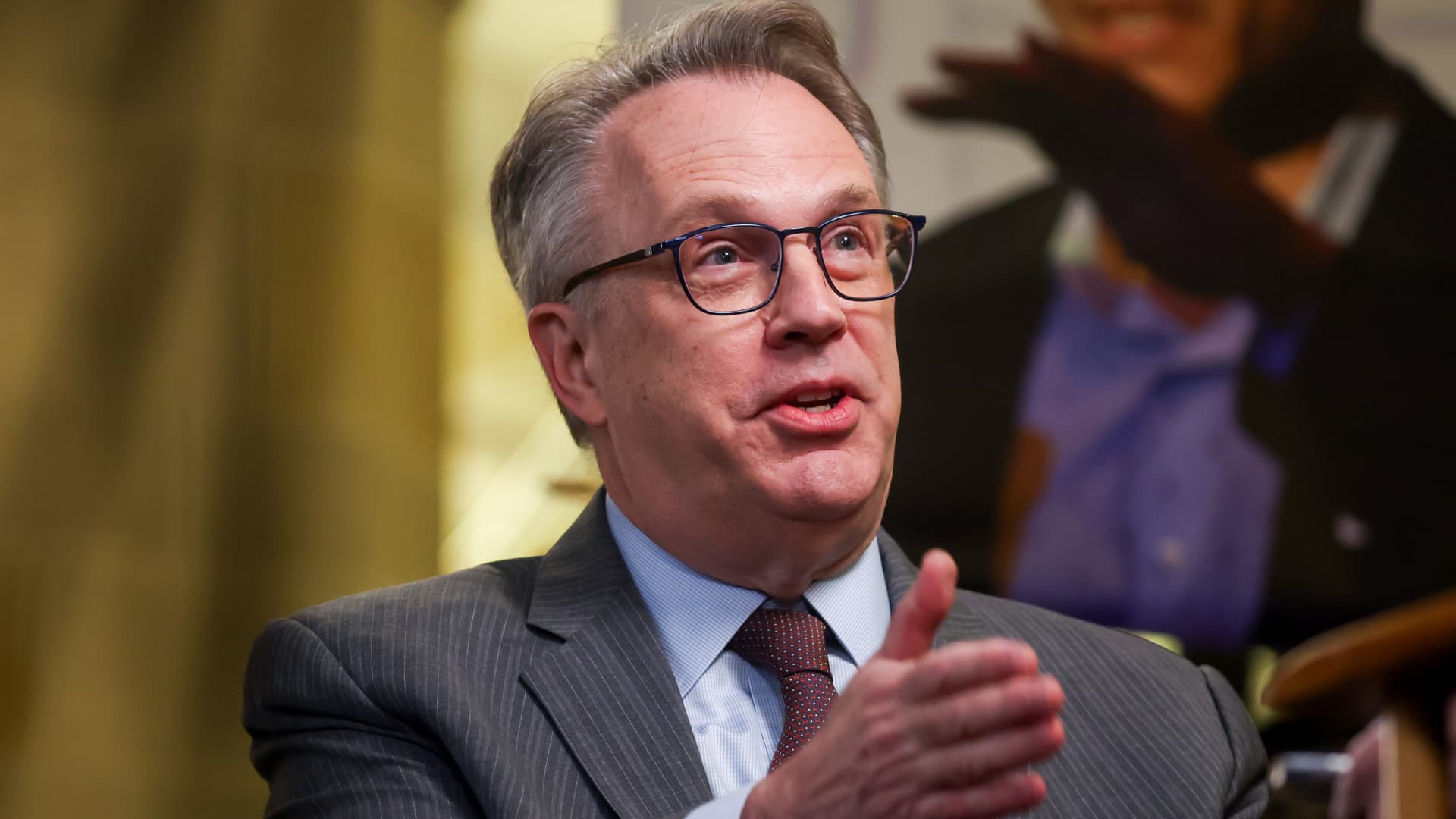
New York Federal Reserve President John Williams said Wednesday that U.S. inflation appears to have reached its high point, supporting a steady policy stance even as markets continue to price the possibility of another rate increase. In remarks to business leaders in his district, Williams said he expects inflation to fall to about 3.25% by the end of the year, move closer to the Fed’s 2% objective in 2027 and reach that target in 2028.
Williams identified five reasons for expecting price pressures to ease in coming quarters. He said the latest inflation surge was driven mainly by the war involving Iran, remaining effects from tariffs and rapid technology investment, including spending linked to artificial intelligence.
The inflation shock followed U.S. and Israeli attacks on Iran in late February that sent oil prices higher. Williams said the rise in energy costs has probably crested and should move nearer to levels seen before the fighting. Energy prices can feed into headline inflation directly through gasoline and utility costs, and indirectly through transport and production expenses.
On trade policy, Williams said tariffs are unlikely to add a further major push to inflation because expiring duties are being replaced rather than materially expanded. Tariffs raise prices when import costs are passed through to companies and consumers, but the inflation effect can fade if the tax level stops rising.
Williams also pointed to supply adjustment in technology markets. He said imbalances tied to artificial intelligence investment should ease as additional supply becomes available. He described the labor market as solid and stable, and said it is not a source of inflation pressure. He also said inflation expectations remain well anchored, a condition policymakers watch because expectations can influence wage demands, pricing decisions and financial conditions.
“Growth in the economy is solid and on trend, and the labor market is likewise solid and stable,” Williams said. He added that with inflation still elevated, the Fed must return it to its 2% longer-run goal on a sustained basis, and said current monetary policy is “well positioned” to achieve that outcome.
His assessment came one day after the Bureau of Labor Statistics reported that consumer prices fell 0.4% in June, a sharper decline than expected. The drop brought the annual inflation rate to 3.5%, according to the agency. The monthly decline was the largest since April 2020, though inflation remained above the Fed’s target.
Market pricing still points to a possible Fed increase as soon as September. In June, members of the Federal Open Market Committee narrowly projected one quarter-percentage-point rate increase by year-end.
Fed Chair Kevin Warsh told the House Financial Services Committee on Tuesday that the June inflation reading should not be viewed as a declaration that the central bank’s work is finished. “That is not my view,” Warsh said.
This story draws on original reporting from CNBC.