Fed credibility shock fears rise as long bonds sell off
Long Treasury yields climbed after the Fed held rates steady, with investors questioning Kevin Warsh’s inflation stance.
By Marcus V. Thorne · Markets Editor
· 3 min read
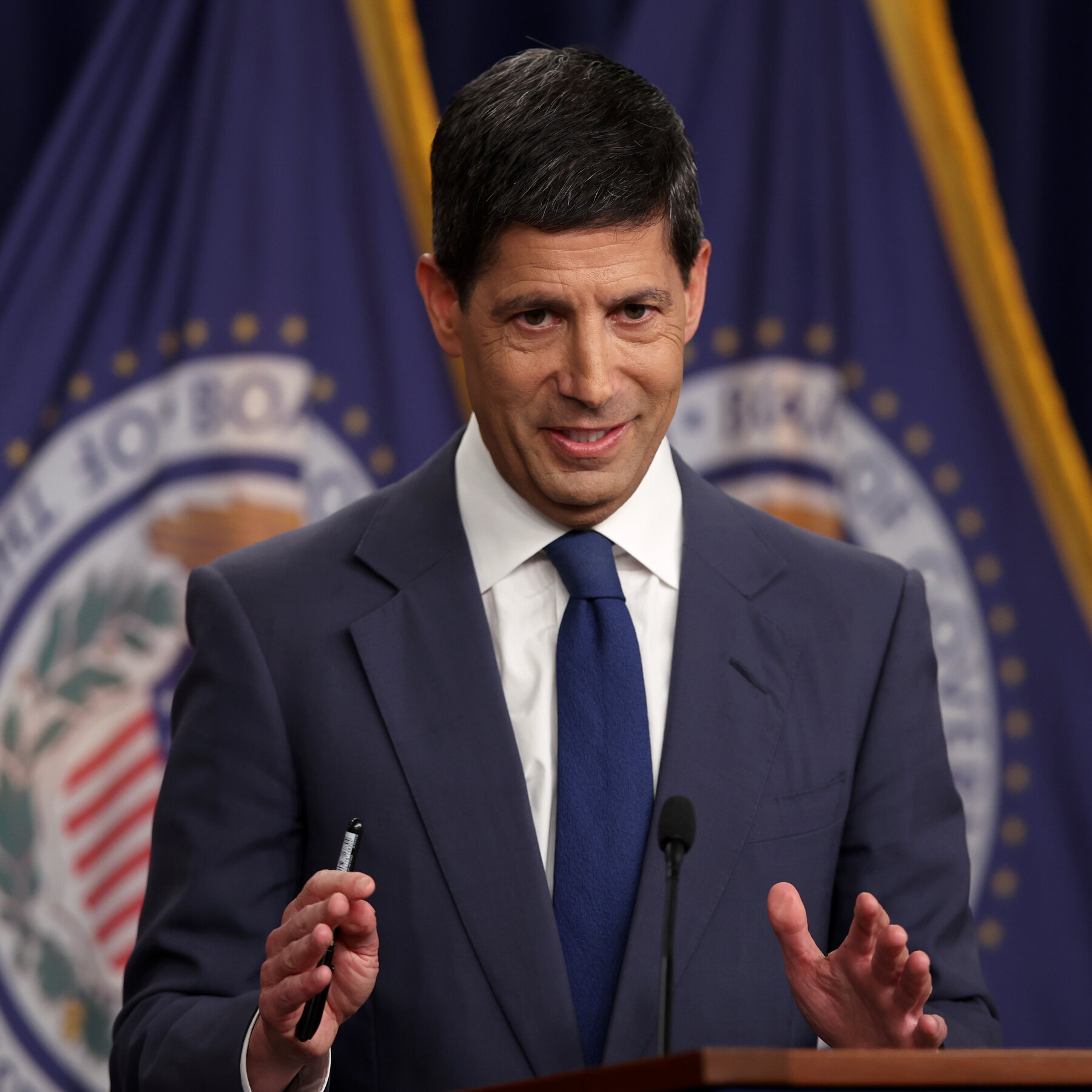
A possible Fed credibility shock is rippling through markets after the central bank held interest rates steady and long-dated U.S. government bonds sold off. The 30-year Treasury yield rose to 5.23 percent on Thursday, its highest level since 2007, CNBC reported, extending a move that accelerated during Chair Kevin Warsh’s news conference on Wednesday.
The Federal Reserve’s decision to leave its benchmark lending rate unchanged came in what Reuters described as a dissent-filled vote, with early dissents against Warsh the most since 1970. Investors appeared to read the decision and the chair’s remarks as a sign that the central bank may be slower than markets expected to respond to inflation pressure.
Bank of America economist Aditya Bhave told investors that the moves in stocks and bonds on Wednesday were “consistent with a central bank inflation credibility shock,” according to The New York Times. In market terms, that phrase points to concern that investors may require higher yields if they doubt a central bank’s willingness or ability to keep inflation under control.
Why are bonds selling off after the Fed decision?
Bond prices fall when yields rise. A sell-off in long-dated Treasuries can reflect expectations that inflation will stay higher, that future interest rates will be higher, or that investors want more compensation to hold debt over many years.
The Fed influences borrowing costs through its policy rate, which feeds into money markets, bank funding costs, credit prices and eventually household and corporate finance. For a fuller explanation of the transmission channel, see Treasury’s guide to how the Fed’s rate target reaches the real economy.
Warsh has previously said he favors allowing markets to run their course and has called for a quieter central bank, according to The New York Times. Those preferences are now being tested by a sharp reaction in rates markets and by investor uncertainty over the Fed’s next move.
Bloomberg reported that traders put the probability of a September rate increase at 60 percent after the decision. Several Wall Street economists also expect a run of additional rate increases, according to The New York Times, though those forecasts remain market views rather than confirmed Fed plans.
The equity market reaction was mixed over the two sessions. S&P 500 futures were rebounding on Thursday after a late-Wednesday decline, The New York Times reported. The sharper signal came from Treasuries, where the rise in long yields suggested investors were adjusting expectations for inflation, policy and term risk.
Warsh has said he welcomes “a good family fight” among policymakers, according to The New York Times. The latest market moves suggest the dispute now extends beyond the Federal Reserve’s internal debate to investors assessing whether the central bank’s current stance is tight enough to contain inflation.
This story draws on original reporting from NYT DealBook.