World Bank raises East Asia and Pacific growth outlook to 4.5%
The World Bank lifted its 2026 regional forecast as AI-linked exports rose, while warning that growth remains uneven and exposed to an investment slowdown.
By David L. Chen · Senior Columnist
· 3 min read
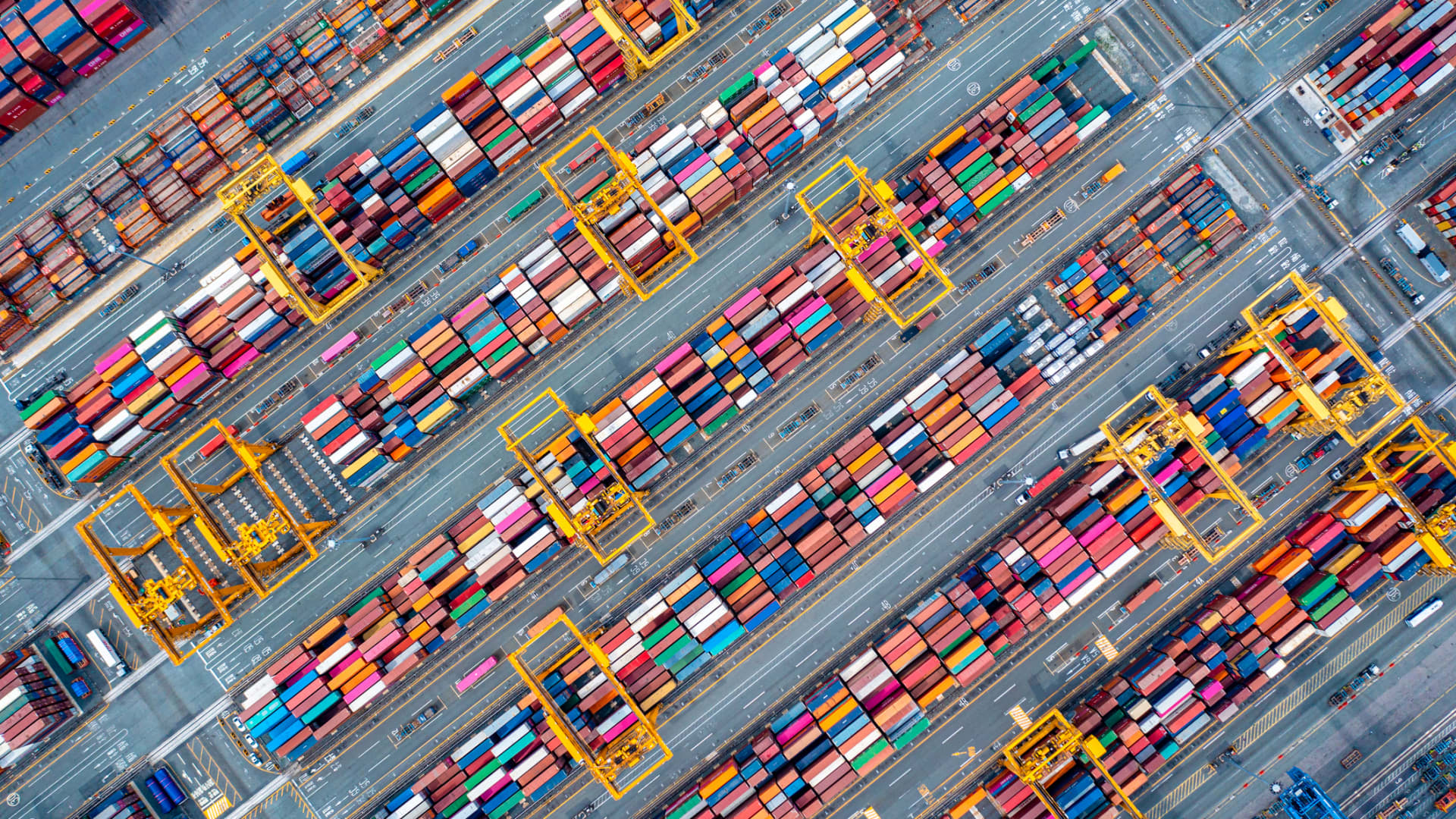
The World Bank East Asia growth outlook has been raised to 4.5% for 2026, supported by economies producing goods used in artificial intelligence supply chains. The forecast is 0.3 percentage point above the Bank’s April projection, CNBC reported, although the Bank said the gains are uneven and identified a slowdown in AI investment as a risk to activity.
The forecast was published on October 6 in the World Bank’s East Asia and Pacific Economic Update, “Riding the AI Wave”. The Bank expects growth across the region to average 4.4% annually between 2026 and 2028, indicating some moderation after this year.
Why did the World Bank raise East Asia’s growth outlook?
Manufacturing and exports of high-tech goods have helped several regional economies expand faster than expected, amid a global increase in AI-related activity, the World Bank said. The effect is strongest in countries that make components and other goods used in AI supply chains.
Viet Nam received the largest upward revision among the economies cited in the Bank’s release, with 2026 growth projected at 7.4%, up 1.1 percentage points. Malaysia’s forecast rose 0.7 point to 5.1%, while Thailand’s increased 0.7 point to 2.0%.
China, the region’s largest economy, is forecast to grow 4.4%, with domestic demand constrained by a soft labour market and continuing adjustments in the property sector, according to the Bank. Pacific Island economies are expected to grow 2.2%, 0.5 point below the previous expectation, as high energy prices weigh on countries with limited buffers against external shocks.
How exposed is the region to AI demand?
The export contribution is concentrated. CNBC reported that AI-related goods generated more than half of export growth in most regional economies and more than 70% in Malaysia, the Philippines, Thailand and Viet Nam. Trade growth excluding such goods was weak or negative, according to the World Bank’s assessment cited by CNBC.
That concentration leaves the region exposed if global spending on AI weakens. The Bank said a downturn in AI investment and related financial strains could slow activity, especially given East Asia and the Pacific’s role in making AI-related goods. It also listed extended high energy prices and a severe El Niño as risks to the outlook.
The Bank draws a distinction between exporting AI hardware and applying the technology across domestic economies. AI adoption among firms and individuals is increasing, but remains below the level in advanced economies. Businesses report obstacles including cost, limited expertise, and concerns over security and privacy.
For most countries, the Bank said the nearer-term opportunity lies in adopting and adapting accessible existing tools, which it describes as “small AI”, rather than developing frontier systems. It identified tourism and agribusiness as sectors where local adaptation could support employment at scale.
What does the Bank say about jobs and policy?
AI has not yet significantly altered automatable jobs in the region, the World Bank said, though employers are increasingly seeking AI expertise alongside analytical and social skills. Only 13% of jobs in the region require complex thinking and judgment, compared with 39% in advanced economies.
The Bank called for stronger business conditions, reliable energy and digital infrastructure, financing and workforce skills. It also urged governments to use and regulate AI effectively, while supporting locally adapted tools that can spread productivity gains beyond the region’s export-oriented technology industries.
This story draws on original reporting from CNBC.