Supreme Court rulings widen White House sway over regulators
The court protected the Fed from immediate political removal while giving presidents broader reach over other independent agencies.
By Rafael Ortiz · Fintech Correspondent
· 3 min read
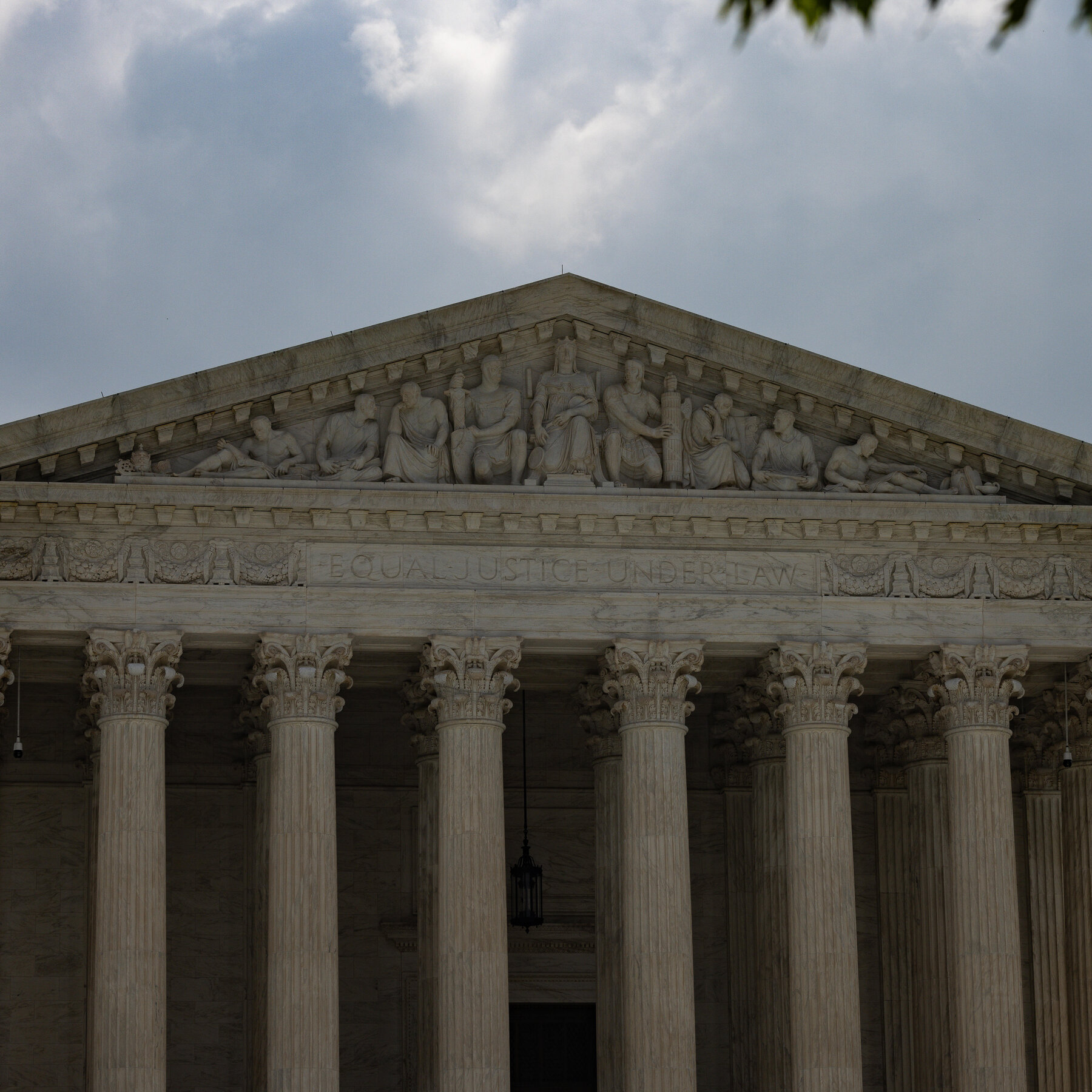
The Supreme Court split 5-4 in affirming the Federal Reserve’s political independence while, in a related ruling, expanding presidential control over nominally independent federal regulators, according to the court’s decision and reporting by The New York Times. The outcome preserves a key safeguard around monetary policy, but gives the White House greater leverage over agencies whose decisions shape competition, communications and securities oversight.
The immediate case concerned President Trump’s attempt to remove Lisa Cook, a governor of the Federal Reserve. The court rejected the bid to fire her at once, with the majority saying the central bank occupies a distinct position in the U.S. constitutional and economic order.
In the majority opinion, the court said the Federal Reserve remained tied to “the principles that underpin the First and Second Banks,” including the principle that monetary policy should not be subject to political interference. That language drew a boundary around the Fed at a time when investors and policymakers closely watch whether elected officials can influence interest-rate decisions through personnel changes.
The majority also said Trump’s effort to dismiss Cook, based on unsubstantiated allegations of mortgage fraud that have not produced legal charges, deprived her of a formal opportunity to contest the claims, according to The New York Times.
Broader power over agencies
The same set of decisions left a different result for many other regulators. The New York Times reported that the court expanded presidential authority over independent federal agencies, potentially affecting bodies such as the Federal Trade Commission, the Federal Communications Commission and the Securities and Exchange Commission.
Those agencies have historically been structured to place some distance between day-to-day regulatory decisions and the White House. Commissioners often serve fixed terms, and internal debate among members can act as a check on abrupt policy changes between administrations.
Removal authority changes that balance. If a president can more readily replace or pressure commissioners, agency priorities can shift faster after elections. For companies, that can alter the expected path of merger review, enforcement actions, market rules or licensing decisions, depending on the agency involved.
The New York Times characterized the ruling as a significant expansion of executive power that extends beyond Trump’s current term. Its DealBook column argued that the business impact could be greater regulatory uncertainty, as companies face less continuity in policy and fewer internal institutional constraints inside agencies.
The ruling leaves the Federal Reserve in a more protected category, at least for now. Cook’s reprieve may still be temporary, The New York Times reported, because Trump’s legal challenge has not been fully resolved. The court’s decision nevertheless signals that monetary policy retains a special degree of insulation from direct presidential control, even as other parts of the federal regulatory apparatus move closer to the executive branch.
This story draws on original reporting from NYT DealBook.