Tikehau sees defence asset mergers as route to European scale
Tikehau Capital expects a defence transaction by early next year as it assesses cross-border asset combinations, PE Hub reported.
By Rafael Ortiz · Fintech Correspondent
· 2 min read
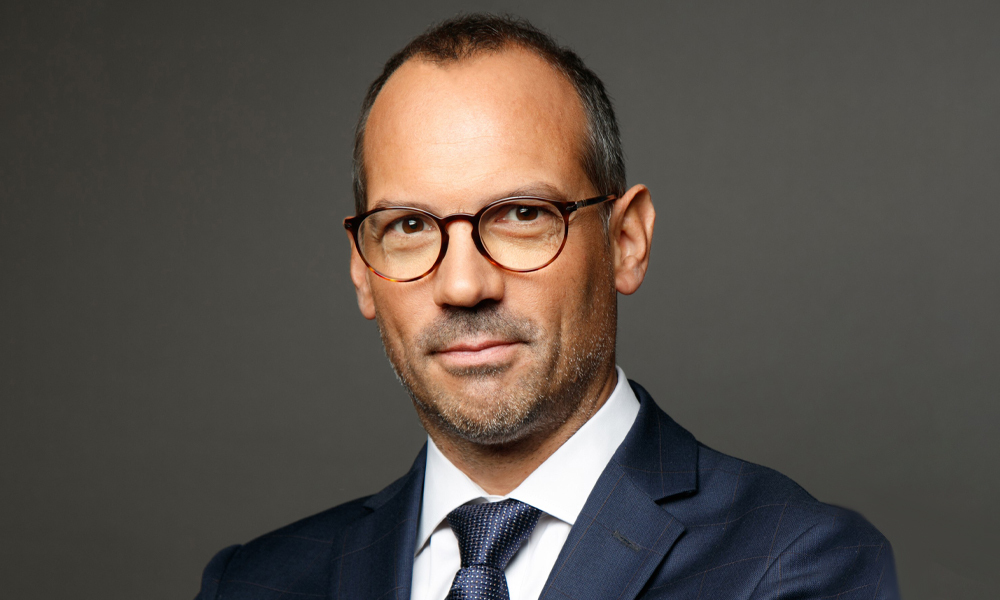
Tikehau Capital expects its next defence deal to emerge later this year or early next year, Emmanuel Laillier, the firm’s chief investment officer for private equity, told PE Hub. The Paris-based investment firm is looking at asset mergers across geographies as a way to build more unified European defence capacity, according to the report.
Laillier told PE Hub that consolidation of assets in different markets is central to creating a more integrated European defence sector. An asset merger, in this context, would bring together operating assets or businesses that sit in separate jurisdictions, allowing a combined platform to coordinate industrial capacity, customer access and export ambitions across borders.
PE Hub did not report the identity of any potential target, the value of a prospective transaction or the countries involved. The timing indicated by Laillier points to a possible deal window before the end of the year or in the opening months of next year.
Ukraine war has reshaped defence demand
Laillier also discussed with PE Hub the unusual level of defence demand created by the war in Ukraine. The conflict has increased attention on military readiness, procurement and supply capacity across Europe, although the report did not provide figures for order books, spending levels or fund exposure.
According to PE Hub, Laillier warned that any return to more normal levels of demand could have a severe effect on the sector. His comments suggest that investors are weighing both the near-term uplift from government procurement and the risk that demand patterns change once the current cycle eases.
For private equity investors, defence assets can be affected by factors that differ from many industrial holdings, including public procurement cycles, export approvals and the strategic priorities of national governments. Laillier’s focus on cross-border combinations reflects the view, attributed to him by PE Hub, that scale and geographic reach matter for a more coordinated European defence base.
Diplomacy and exports
Laillier also cited diplomatic relationships as a factor supporting the export performance of programmes such as the Rafale combat aircraft, PE Hub reported. The Rafale example underscores how defence sales can depend on state-to-state ties as well as industrial capability, product performance and financing capacity.
The comments place Tikehau’s defence dealmaking plans within a broader debate over Europe’s ability to coordinate military production and procurement. Laillier’s remarks, as reported by PE Hub, point to asset mergers as one possible route to that coordination, while leaving the details of Tikehau’s next transaction undisclosed.
This story draws on original reporting from PE Hub.