Trump Iran deal comments send oil lower and lift European equities
Trump’s reported pause in planned Iran strikes was followed by a sharp fall in Brent crude, lower bond yields and modest gains in European stocks.
By Marcus V. Thorne · Markets Editor
· 3 min read
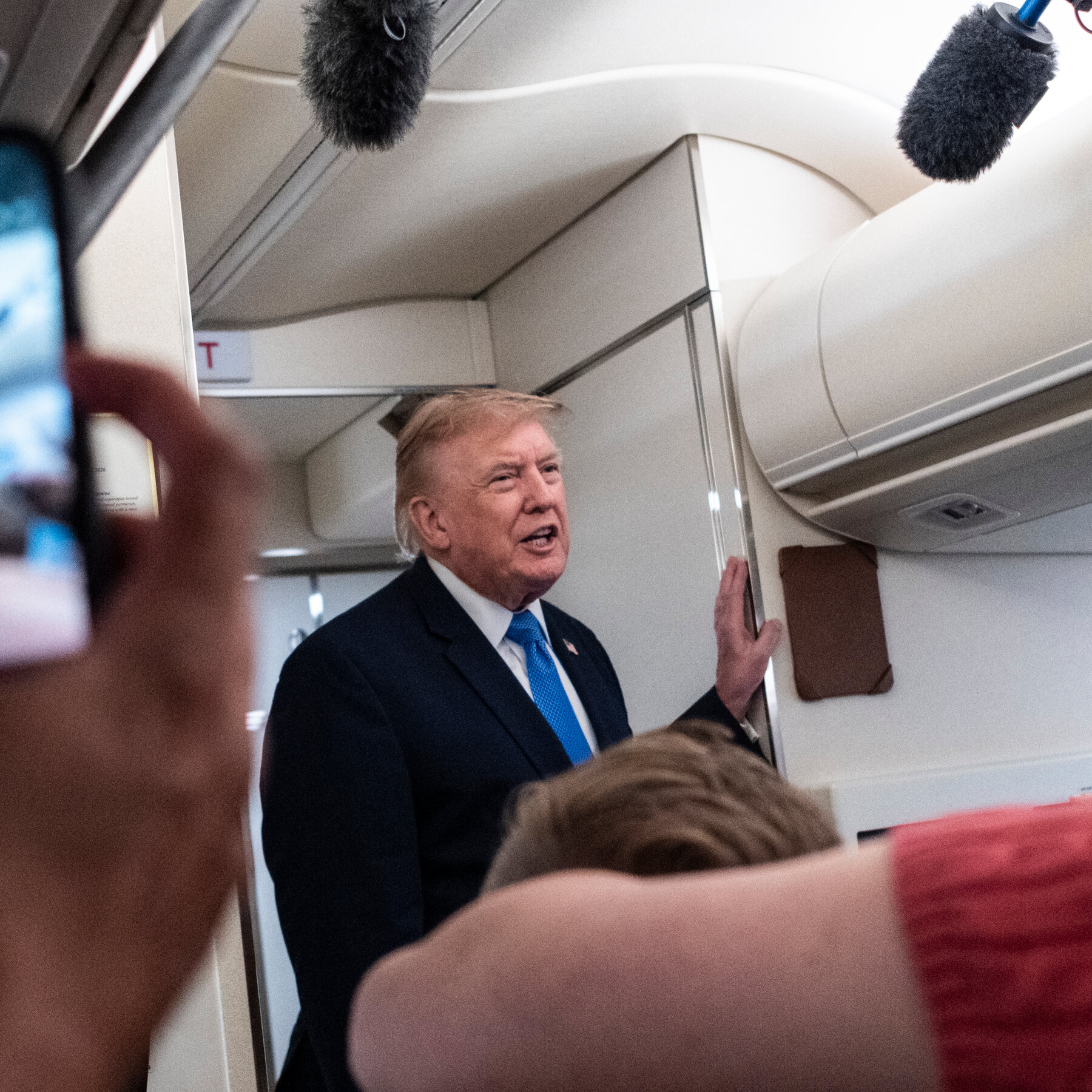
Trump Iran deal oil markets moved sharply after President Donald Trump said he had halted planned strikes on Iran and that the outline of an agreement was taking shape. The Telegraph, as republished by Yahoo Finance, reported that Brent crude fell as much as 9.5% early Monday to below $82 a barrel, while European shares rose and government-bond yields declined.
The moves reflected an initial market view that diplomacy could reduce the risk of disruption to oil supplies and ease inflation pressure. They do not establish that an agreement has been reached: the reporting contains no deal text, Iranian confirmation or agreed terms.
What happened to markets after Trump paused planned Iran strikes?
According to the Telegraph report, the FTSE 100 rose 0.2%, France’s CAC 40 gained 0.3% and Germany’s DAX added 0.1%. The 10-year UK gilt yield fell to 4.98% from 5.05%, while the comparable US yield dropped to 4.69% from 4.74%.
Yields generally move in the opposite direction to bond prices, so a yield decline is consistent with stronger demand for those securities. For a fuller explanation, see how bond yields work.
Jim Reid, an analyst at Deutsche Bank, said hopes for a “diplomatic off-ramp” had increased over the weekend, according to the Telegraph. Lower crude prices can feed into expectations for lower fuel costs and less inflation, which investors may factor into bond markets.
What did Trump say about Iran negotiations?
Trump said aboard Air Force One that the United States was negotiating with Iran and that talks would begin the following afternoon, the Telegraph reported. He said Iran, as well as Saudi Arabia, the United Arab Emirates and Qatar, had asked him to delay strikes.
He had said on Saturday that he had called off plans for a major attack because the “perimeter” of a deal was in place, according to the report. A Fox News video page dated August 2 likewise described Trump as saying that “perimeters of a deal” had been agreed with Iran and referred to a pause in strikes. Neither account supplied an agreement document or confirmation from Iran.
Why was oil especially sensitive?
Crude prices carry a geopolitical risk premium when traders fear conflict could affect production or transport. A perceived reduction in that risk can lower prices quickly, even before negotiations produce a formal outcome.
The reaction followed a volatile period. The Telegraph reported that oil had traded above $126 a barrel in April after rising 74% in two months, and had reached $100 in July during renewed Gulf clashes. Even after Monday’s decline, it said oil remained 14% above its level when the US and Israel began their war with Iran on February 28.
The reported fall placed crude at its lowest level since July 13. Whether it persists depends on developments in the proposed talks and the wider conflict, neither of which was resolved by Trump’s statements.
This story draws on original reporting from NYT DealBook.