US inflation gauge rose in May as energy shock broadened
The Fed’s preferred price measure climbed 0.4% in May, with annual inflation at 4.1% as the Iran war lifted energy costs.
By Marcus V. Thorne · Markets Editor
· 3 min read
The Federal Reserve’s preferred inflation gauge accelerated in May, rising 0.4 percent from April as energy prices climbed during the war with Iran, the Bureau of Economic Analysis said Thursday. The Personal Consumption Expenditures price index was 4.1 percent higher than a year earlier, the fastest annual pace in more than three years, according to the agency.
The data sharpen the policy dilemma for the Fed under its new chairman, Kevin M. Warsh. President Trump has been pressing for lower interest rates, according to The New York Times, while the latest inflation figures point to renewed price pressure that could argue for tighter policy rather than easier credit.
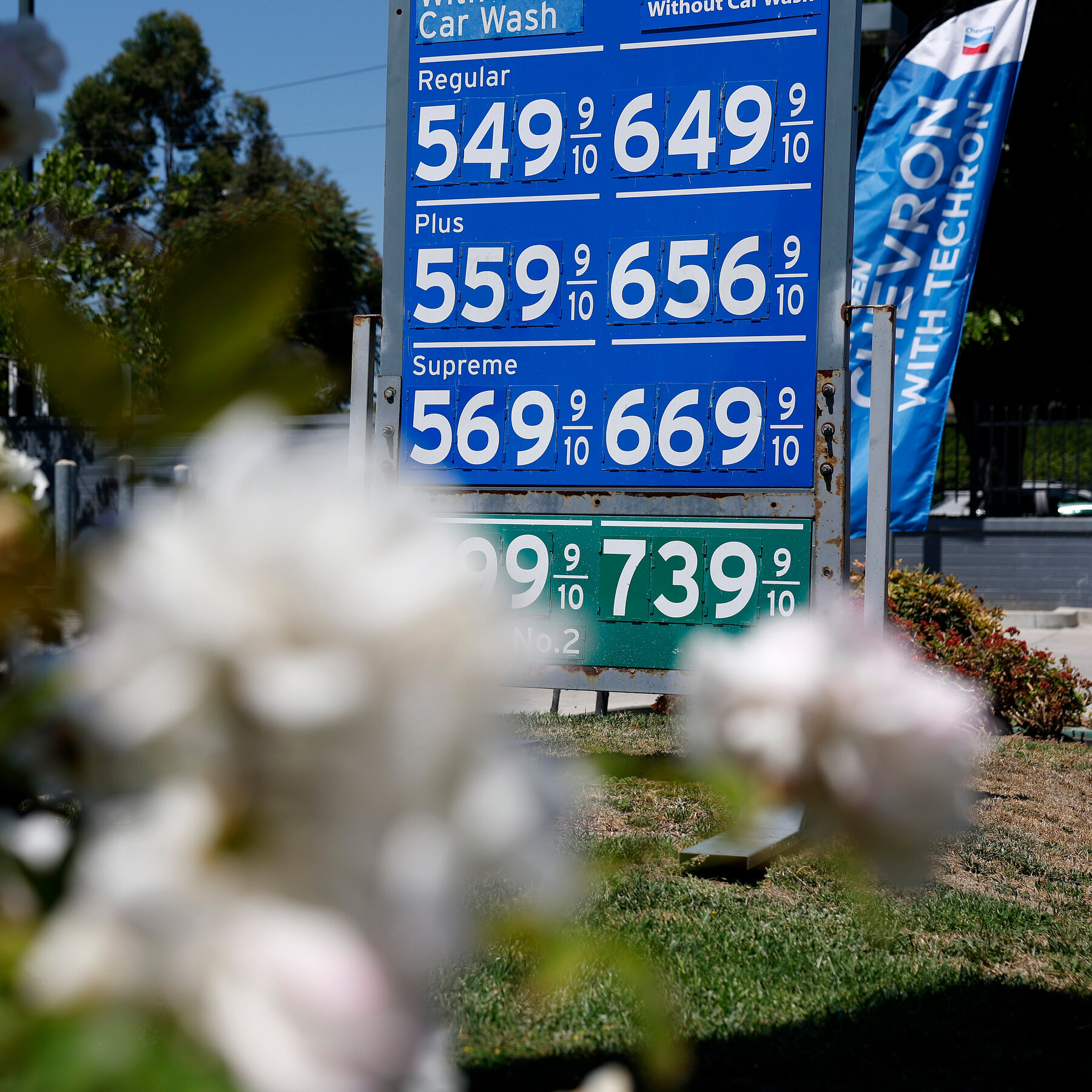
Energy was a central driver of the May increase. The Times reported that gasoline prices were more than 30 percent higher than at the start of the Iran war. Oil prices have eased since the United States and Iran reached an agreement to end the conflict, at least for now, and reopen the Strait of Hormuz, a key passageway for global energy shipments.
Many forecasters believe May could mark the high point for inflation this year, according to The Times. That view depends in part on whether the energy shock continues to fade and whether higher fuel costs feed into other categories through transport, production and household spending patterns.
Core prices also climbed
The BEA report showed that price increases were not confined to food and energy, the two components that tend to swing most sharply month to month. Core PCE, which strips out those categories, rose 0.3 percent in May and was up 3.4 percent from a year earlier.
Core inflation is closely watched by central bankers because it can give a clearer reading of underlying price trends. If energy costs rise for a short period, headline inflation can jump and then fall back. A rise in core inflation suggests broader pricing pressure across services and goods, which can be harder for monetary policy officials to dismiss as temporary.
Omair Sharif, founder of the forecasting firm Inflation Insights, said in a note to clients that the report would not be reassuring for the central bank. “This is not a comfortable report for Fed officials,” Sharif wrote Thursday.
Fed officials were already divided over the rate path before the release. At their meeting this month, about half indicated they expected to raise rates by the end of the year, according to The Times. Higher interest rates can slow demand by making borrowing more expensive for households and businesses, a lever the Fed uses to bring inflation closer to its target.
Consumers kept spending
The same BEA release showed households continued to spend despite higher prices. Consumer spending rose 0.7 percent in May, exceeding the monthly increase in the price index. Personal income also increased 0.7 percent.
Those figures suggest that the labor market continued to support household purchasing power, according to the Times. For policymakers, resilient incomes and spending can be a mixed signal: they point to economic strength, but they can also sustain demand at a time when inflation remains above levels the Fed would prefer.
This story draws on original reporting from NYT DealBook.