AEPF2026 Singapore conference reports 17 research presentations
East Asia Research says its inaugural Singapore forum brought together research on green growth and policy, with a future paper selection planned.
By David L. Chen · Senior Columnist
· 3 min read
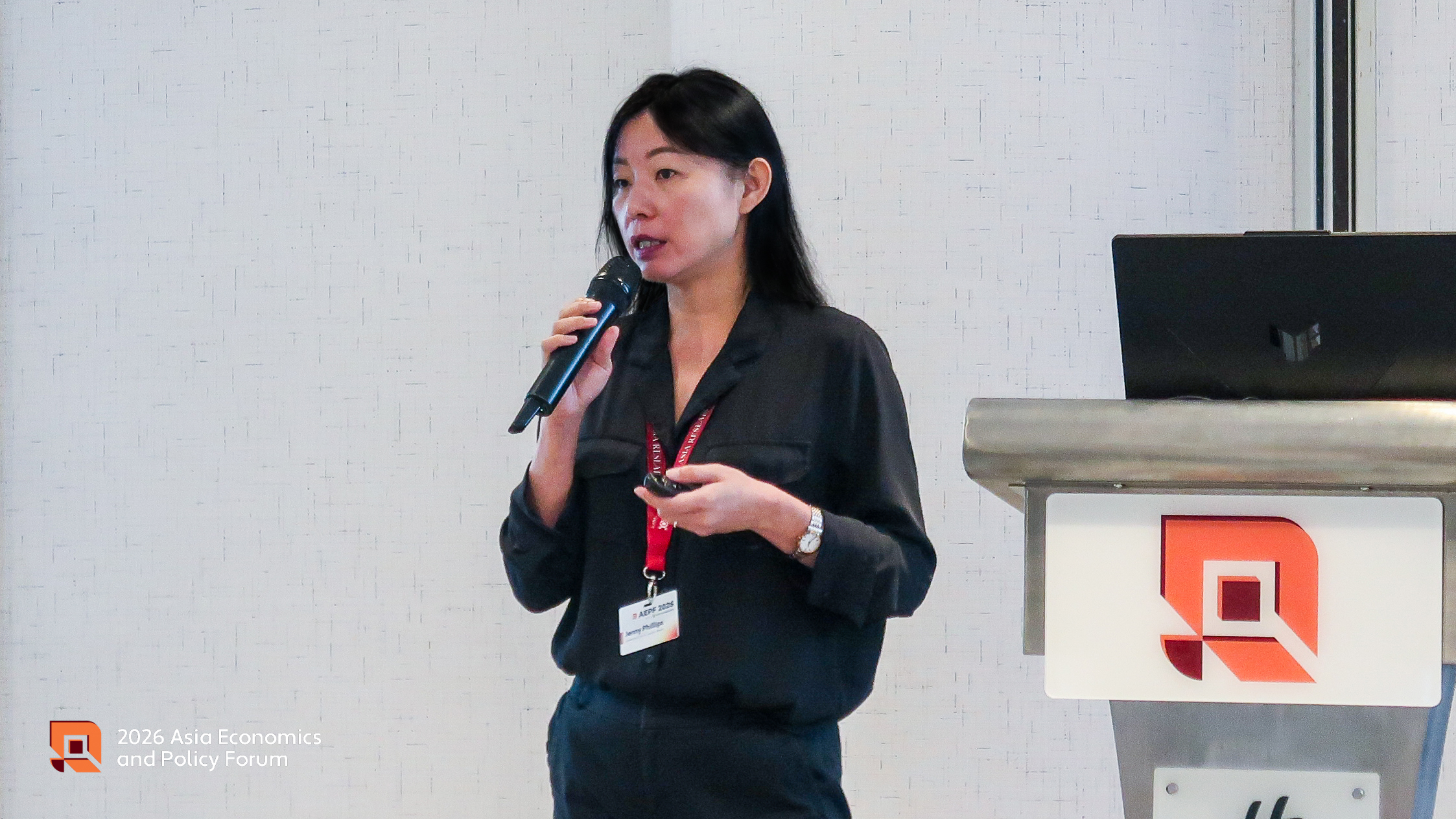
The AEPF2026 Singapore conference took place on 28 and 29 July as a hybrid event, according to organiser East Asia Research. The inaugural forum centred on green growth, financing and sustainable development, bringing economics and public-policy research into the same programme.
East Asia Research organised the meeting at the Holiday Inn Singapore Atrium with support from the Faculty of Business and Law at the University of Saint Joseph in Macao. The Association of Environmental and Resource Economists had listed the dates, location and theme ahead of the event.
The stated theme was “Green Growth, Financing and Building a Sustainable Future.” The programme covered economics, public policy, sustainability, sustainable finance, social enterprise and related interdisciplinary work.
What did the AEPF2026 Singapore conference cover?
The organiser reported 17 research presentations authored by 42 researchers from 11 countries. Those figures describe presentations and authors, rather than a total attendance count, and the reported results do not identify any policy decisions, research findings or formal cross-border agreements arising from the meeting.
Two keynote sessions addressed issues with direct relevance to the forum’s green-growth and social-development remit. Florence Lei, coordinator of the Sustainable Business Lab and an associate professor at the University of Saint Joseph, spoke on industry perspectives on China’s “Dual Carbon” goals. Jenny Phillips, dean of the university’s Faculty of Business and Law, presented work on social enterprises in Macao and the prevalence of the hybrid model.
Phillips said she hoped the first forum would develop into an annual gathering where participants could exchange research and learn from one another. That remains an aspiration rather than a confirmed schedule for a subsequent event.
How did the undergraduate conference fit into AEPF2026?
The meeting also introduced an Undergraduate Research Conference alongside the main programme. East Asia Research said the initiative was intended to give undergraduate participants a first opportunity to present work in an international-conference setting and receive feedback. Students from Saint Louis University and the University of St. La Salle gave poster presentations, according to the organiser.
The structure placed early-career and undergraduate researchers alongside senior academics and policy-focused work, although the reported account does not quantify subsequent research collaboration or the forum’s effect on regional economic-policy debates. Details of the Asia Economics and Policy Forum’s Singapore programme indicate that the event accepted both on-site and virtual presentations.
A further test of the forum’s academic reach will be its proposed publication process. Authors were invited to submit full papers after the conference for possible selection for a Springer Nature volume, Advances in Economics and Policy Research – Green Growth and Sustainable Future in Asia. The planned volume is distinct from the programme and abstract book, and no selected-paper list or published volume was reported.