Japan Q3 GDP contraction misses forecasts as energy imports weigh
Japan’s economy contracted at a 0.1% annualized rate in the third quarter as energy-import costs and weak consumption offset investment.
By Sarah Jenkins · Chief Macro Economics Correspondent
· 3 min read
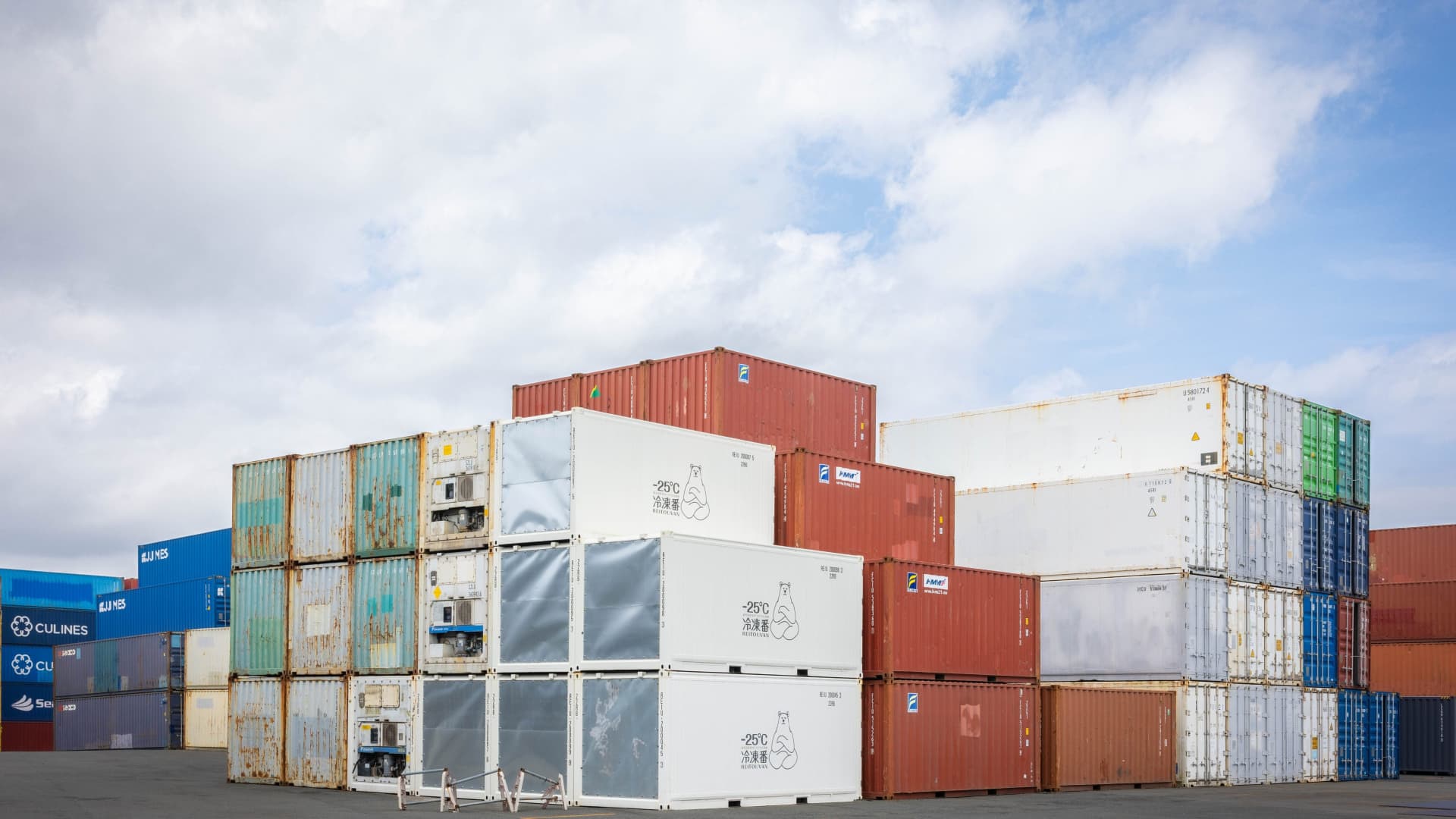
Japan’s Q3 GDP contraction came in at an annualized 0.1% in the July-to-September period, according to preliminary Cabinet Office data reported by CNBC and the Associated Press. The result fell short of the 0.3% annualized growth forecast in a Reuters poll, following annualized growth of 1.4% in the previous quarter, CNBC reported.
The Nikkei 225 fell 0.62% after the release, while the yen weakened marginally to ¥159.76 against the dollar, according to CNBC. The benchmark 10-year Japanese government bond yield stood at 2.885%.
Why did Japan’s economy contract in the third quarter?
Higher energy-import costs reduced the contribution from trade, while household spending weakened. CNBC reported that net exports subtracted 0.6 percentage point from growth, even though exports exceeded expectations in two of the quarter’s three months.
Japan imports virtually all of its oil, the Associated Press reported. Its account linked the rise in oil costs to the war in Iran and described the Strait of Hormuz, an important oil-shipping route, as effectively blocked. It also said the weaker yen had added to the cost pressure on imported energy.
CNBC reported that household energy subsidies had reportedly expired in September, leaving consumers more exposed to higher prices. The Associated Press said private consumption fell at an annualized 1.1%, citing poor weather and higher prices among the factors weighing on spending.
The annualized figure expresses what the pace of change would be over a full year if a quarter’s performance continued. On the actual quarter-to-quarter measure, GDP was effectively flat but slightly negative, by less than 0.1%, the Associated Press reported. GDP measures economy-wide output, one of the central indicators covered by macroeconomics.
Business investment held up
The weakness was not uniform across the economy. Private non-residential investment increased at an annualized 6.8% in the quarter, with the Associated Press linking the gain to solid digital demand. That investment growth was insufficient to offset the drag from consumption and trade.
On a year-on-year basis, Japan’s economy grew 1.1%, its strongest increase since the second quarter of 2025, CNBC reported. Marcel Thieliant, head of Asia Pacific at Capital Economics, said that comparison reflected a lower base in the third quarter of 2025.
What could the data mean for the Bank of Japan?
The release adds to the considerations facing the Bank of Japan ahead of its December policy meeting. LSEG pricing still put the probability of a 25-basis-point rate increase in December at 75.6%, CNBC reported.
Krishna Bhimavarapu, an Asia-Pacific economist at State Street Investment Management, said the GDP figures did not provide a clear signal for a December increase. He pointed to an annualized 2.1% fall in real final sales of domestic product, a measure of GDP excluding private inventories that is used to gauge underlying demand.
Capital Economics’ Thieliant nonetheless expected the central bank to raise rates, citing expected inflation pressure. CNBC reported that the Bank of Japan said in October that it had met its 2% underlying inflation target for the first time in 13 years; September core inflation reached 2.1%.
This story draws on original reporting from CNBC.