October jobs report 2026 showed gains in consulting and temporary hiring
US payrolls rose by 165,000 in October, beating forecasts as consulting and temporary hiring increased, though causes remain uncertain.
By Sarah Jenkins · Chief Macro Economics Correspondent
· 3 min read
The October jobs report 2026 showed US nonfarm payrolls rising by 165,000, well above the 59,000 increase expected by economists surveyed by Dow Jones. The unemployment rate was little changed at 4.1%, according to the Bureau of Labor Statistics, while sector data highlighted consulting and temporary-help employment as contributors to the monthly gain.
The headline figure establishes where payrolls increased, but it does not establish why hiring rose or whether the pace will continue. CNBC identified three factors worth watching: a jump in consulting jobs, growth in temporary-help payrolls and the possible effect of election-cycle spending.
Why was the October jobs report so strong?
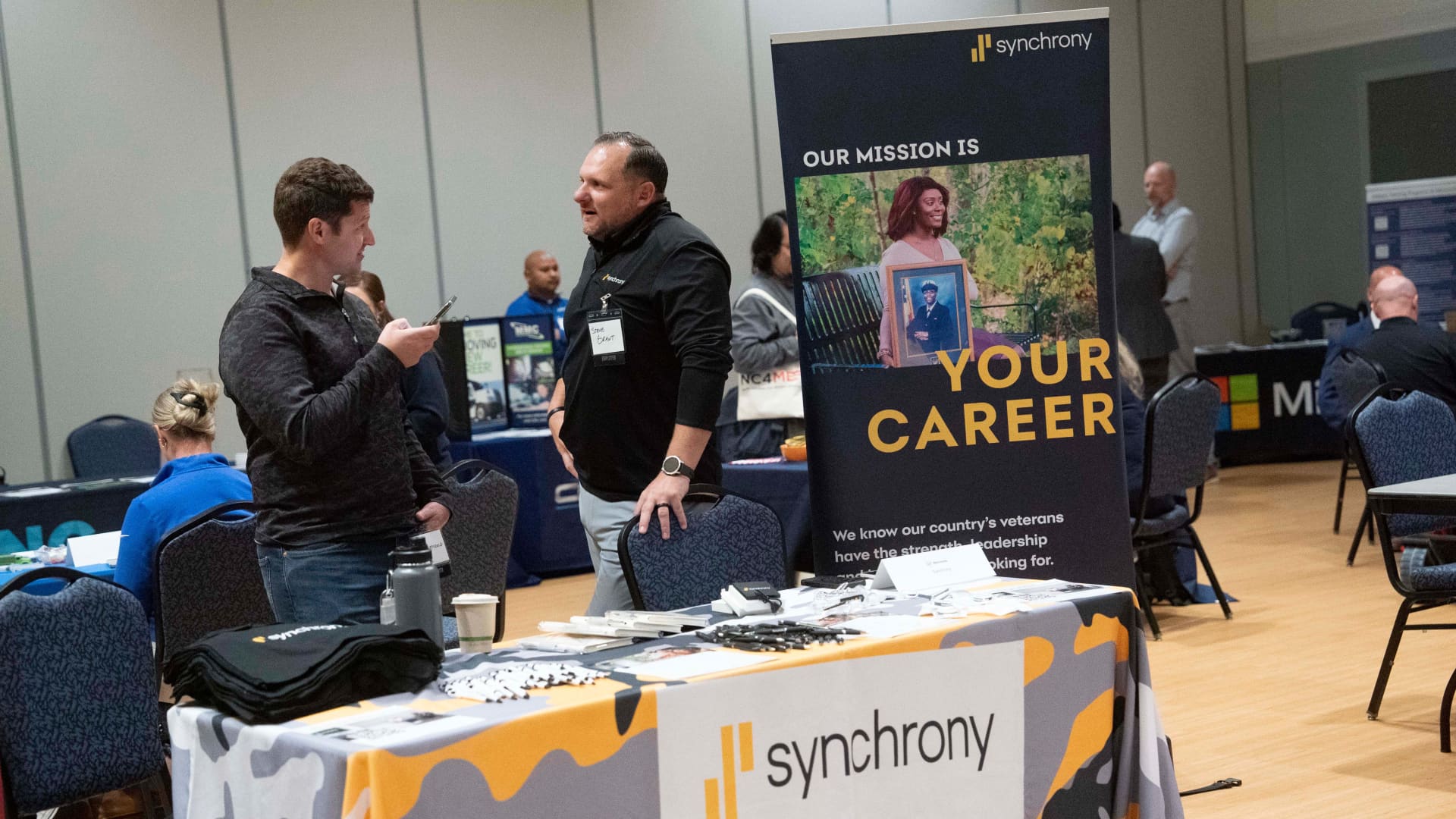
The clearest measured contribution came from management, scientific and technical consulting. Employment in that category rose by 17,300 between September and October, CNBC reported from BLS data. That was the largest monthly increase in nearly two years and represented 25% of October's gains in professional and business services.
Consulting employment in the category exceeded 1.9mn for the first time on record after increasing by more than 45,000 over the preceding year, according to CNBC. The sector had seen little net hiring momentum since 2023 after expanding quickly during the pandemic period.
Some economists told CNBC that companies may be engaging consultants to assist with artificial-intelligence adoption. That is a hypothesis about the source of demand rather than a conclusion contained in the payroll data. Jeffrey Roach, chief economist at LPL Financial, said investment in AI and companies' efforts to use the technology could support technical-consulting employment.
Temporary-help payrolls also contributed to October's employment increase, CNBC reported, though the available account did not include a figure for the sector's monthly gain. Temporary-help employment is watched closely because staffing agencies supply workers to client businesses for limited periods. A 2021 BLS study found that the sector has historically moved ahead of wider shifts in employment, allowing employers to adjust staffing and assess potential hires before committing to permanent employment.
That relationship is historical, not a forecast. The BLS study found that temporary-help employment declined six to 12 months before broader job losses in the three recessions before the 2020 pandemic, and rose months before overall employment recovered in those episodes. A single month of higher temporary hiring does not demonstrate that broader hiring will accelerate or persist.
The third possible factor was election-cycle spending. CNBC said elevated spending during an election period could have supported employment, but provided no industry breakdown, job count or causal analysis. The evidence therefore supports treating this as a possible influence, rather than an established explanation for October's payroll surprise.
For policymakers and investors, the report provides evidence of a stronger-than-expected October labour market, particularly in professional services and temporary staffing. It leaves unanswered how much of the increase reflected AI-related business spending, election activity or other forces that are not captured by the monthly payroll release.
This story draws on original reporting from CNBC.