FAA ground stop followed L3Harris telecom upgrade, Duffy says
U.S. officials said a router issue during a copper-to-fiber upgrade disrupted air traffic data, while the FAA investigates the underlying fault.
By Amanda Ross · Deals Correspondent
· 3 min read
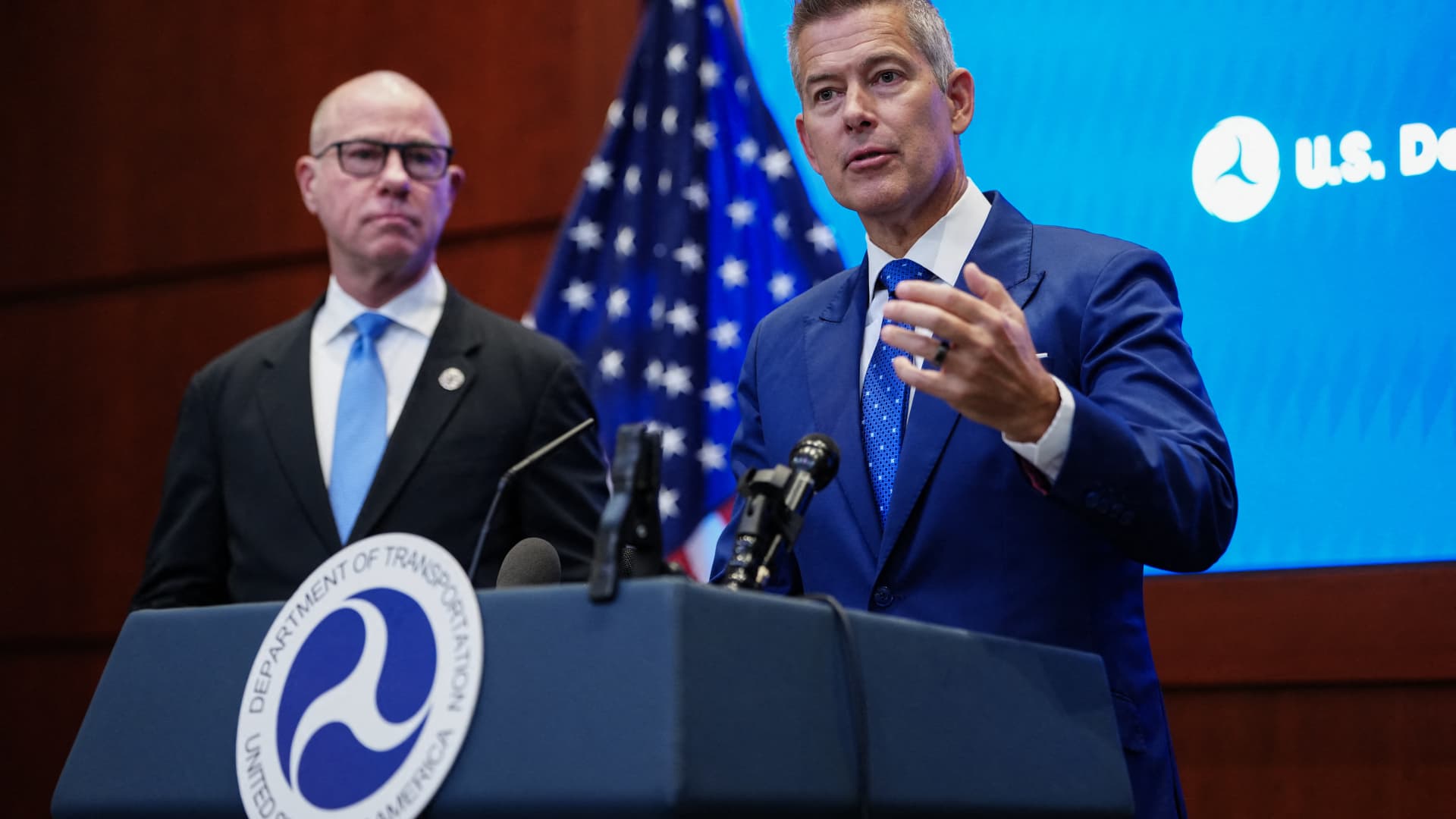
The FAA ground stop L3Harris upgrade followed instability in communications and radar information used by air traffic control, Transportation Secretary Sean Duffy said, describing a preliminary account rather than a finding of fault. The Federal Aviation Administration halted departures nationwide on November 13 after a contractor working at at least one remote site converted telecommunications lines from copper to fiber, according to the Department of Transportation.
Duffy identified L3Harris as the contractor carrying out the routine maintenance. He said the work was necessary because the copper line being replaced was so old that it was being discontinued. The change was part of a wider move from analog, time-division multiplexing systems to digital, internet-protocol-based communications.
According to Duffy, a router being replaced during the work began sending more than 1,000 connection attempts to other routers in the air traffic control system every four to five seconds. He said the surge affected communications with aircraft and disrupted radar feeds.
Why did the FAA order a nationwide ground stop?
FAA Administrator Bryan Bedford said no FAA facilities went dark. However, he said officials saw instability in the information feeds used by air traffic control centres and were unwilling to risk a centre losing connectivity with aircraft. DOT said the airspace was shut down as a precaution, then reopened after the work at the remote location was isolated and systems returned online.
A ground stop requires aircraft meeting specified criteria to remain on the ground. FAA guidance describes it as one of the most restrictive traffic-management measures and says less restrictive options should be assessed before a national ground stop where feasible. The agency’s rules also allow its use when an air traffic facility is wholly or partly unable to provide services because of unforeseen circumstances. FAA ground-stop guidance sets out those procedures.
DOT said more than 3,500 flights were safely grounded during the disruption, and more than 8,000 flight operations resumed after the stop was lifted. The airspace was open on November 14, though the department said passengers should expect some cancellations and delays as airline schedules recovered.
What is the FAA investigating about L3Harris?
Duffy said the FAA had not determined whether the incident resulted from user error, an installation error involving L3Harris, a faulty router or another problem. L3Harris said it was supporting the FAA investigation, according to NPR. The company’s statement is not a determination of responsibility.
Officials also said they did not believe the event was cyber-related. Duffy said that assessment was based on the restoration of systems once the work at the remote location had been isolated. Bedford said there was no evidence of a malicious or artificial-intelligence-related cause.
Duffy linked the event to the age of FAA telecommunications infrastructure. He said Congress had supplied $12.5 billion for air traffic control modernisation and that 69% of copper communications had been replaced by high-speed fiber, figures presented as the secretary’s account of the programme’s progress.
This story draws on original reporting from CNBC.