Mazzucato argues climate action needs capable states
Mariana Mazzucato says governments need stronger implementation capacity as COP31 was under way in Antalya.
By David L. Chen · Senior Columnist
· 3 min read
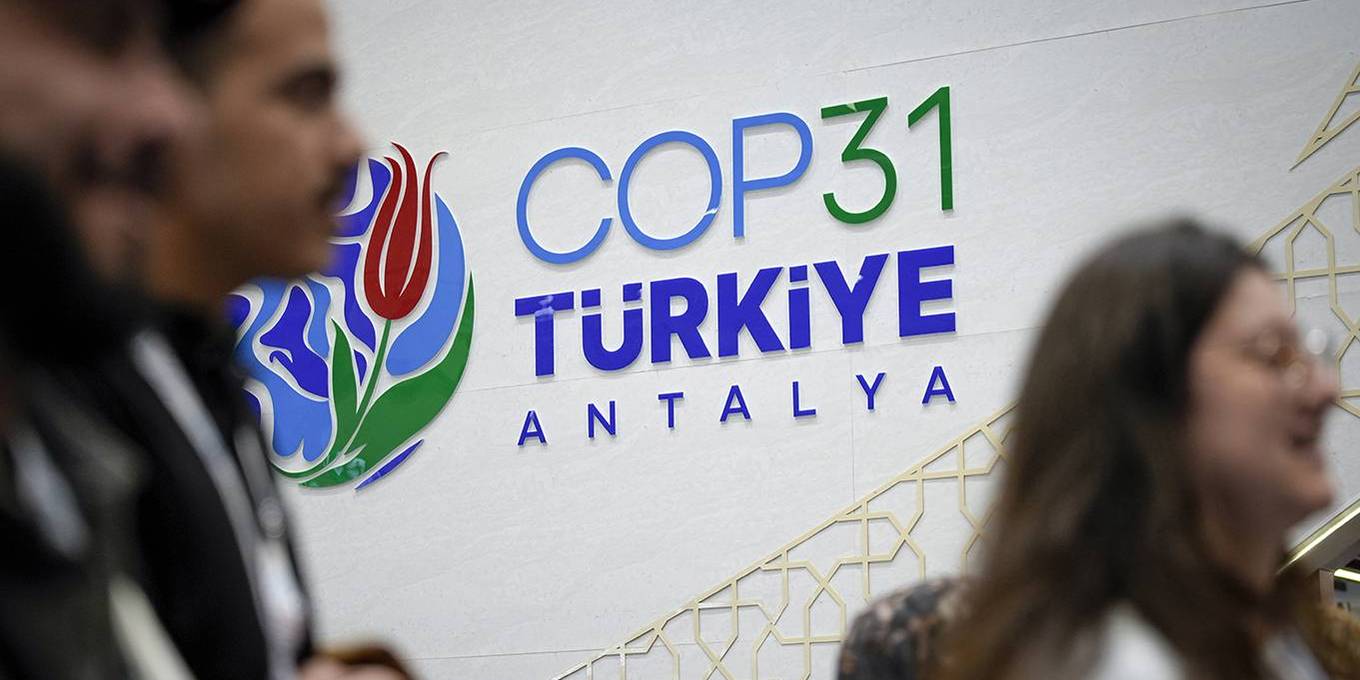
Mariana Mazzucato’s climate action argument, published by Project Syndicate on November 13, centres on governments’ ability to carry out climate commitments rather than on the commitments alone. Writing while COP31 was under way in Antalya, Turkey, Mazzucato said the test for governments is whether they have the institutional capability to turn pledges into results.
The intervention comes as emissions remain on an upward path. The United Nations, citing the UN Environment Programme’s Emissions Gap Report 2025, says global greenhouse-gas emissions reached a record 57.7 gigatonnes of carbon-dioxide equivalent in 2024, 2.3% above the previous year. It says emissions would need to fall by almost half by 2030 from 2019 levels to keep the Paris Agreement’s 1.5C goal within reach.
COP31’s stated theme was “Driving Implementation through Cooperation and Collective Action”. Mazzucato argues that this makes public-sector capability a central issue for climate policy. Her assessment is an argument in a commentary, rather than an empirical finding presented as settled fact.
How can public procurement support climate action?
Mazzucato identifies sustainable public procurement as one practical tool for implementation. She writes that Brazil championed the Belém Declaration on Sustainable Public Procurement at COP30, seeking to give national and subnational authorities a common direction for using their purchasing power in the green transition. The article also refers to a policy brief she co-authored with Brazil’s management and innovation minister, Esther Dweck. Those details are reported by Mazzucato’s article.
Public procurement covers purchases of goods, services and works by governments and state-owned enterprises, according to the OECD. Procurement can be used to pursue objectives beyond service delivery, including sustainability, innovation and social responsibility. Across OECD countries, such spending equalled 12.9% of GDP in 2021, and 61.2% of procurement expenditure occurred at the subnational level.
That scale helps explain why purchasing rules can influence environmental outcomes. For example, a public buyer can include lower environmental impact among its criteria for selecting goods or services. The OECD says procurement also affects supply chains and can set standards that shape markets.
What does a capable state require for procurement?
An implementation-oriented reading of Mazzucato’s argument is that public purchasing needs functioning institutions as well as climate objectives. The OECD’s procurement guidance identifies 12 connected elements: transparency, integrity, access, balance, stakeholder participation, efficiency, electronic procurement, capacity, evaluation, risk management, accountability and integration.
These safeguards matter because procurement brings substantial financial interests, high transaction volumes and direct interaction between public bodies and suppliers. The OECD describes it as a high-risk area, with financial, social and environmental risks alongside integrity concerns. It says open, competitive procedures can support innovation, service quality and value for money, while transparency can reduce the risks of favouritism, corruption and inefficiency.
Strategic purchasing also presents trade-offs. The OECD says poor alignment between procurement, industrial and trade policy can produce fragmented results or unintended trade tensions. International procurement, meanwhile, can broaden competition and help public bodies obtain goods and services where domestic supply is costly or constrained.
Procurement is only one climate-policy lever. The UN identifies emissions reduction, adaptation and financing as the three broad categories of action. Mazzucato’s contribution is to focus attention on the public institutions needed to put such tools to work.
This story draws on original reporting from Project Syndicate.