Aziz Huq urges Democrats to pursue democratic reforms after midterm gains
In a Project Syndicate opinion article, Aziz Huq argues that economic policy will depend on stronger democratic institutions.
By David L. Chen · Senior Columnist
· 3 min read
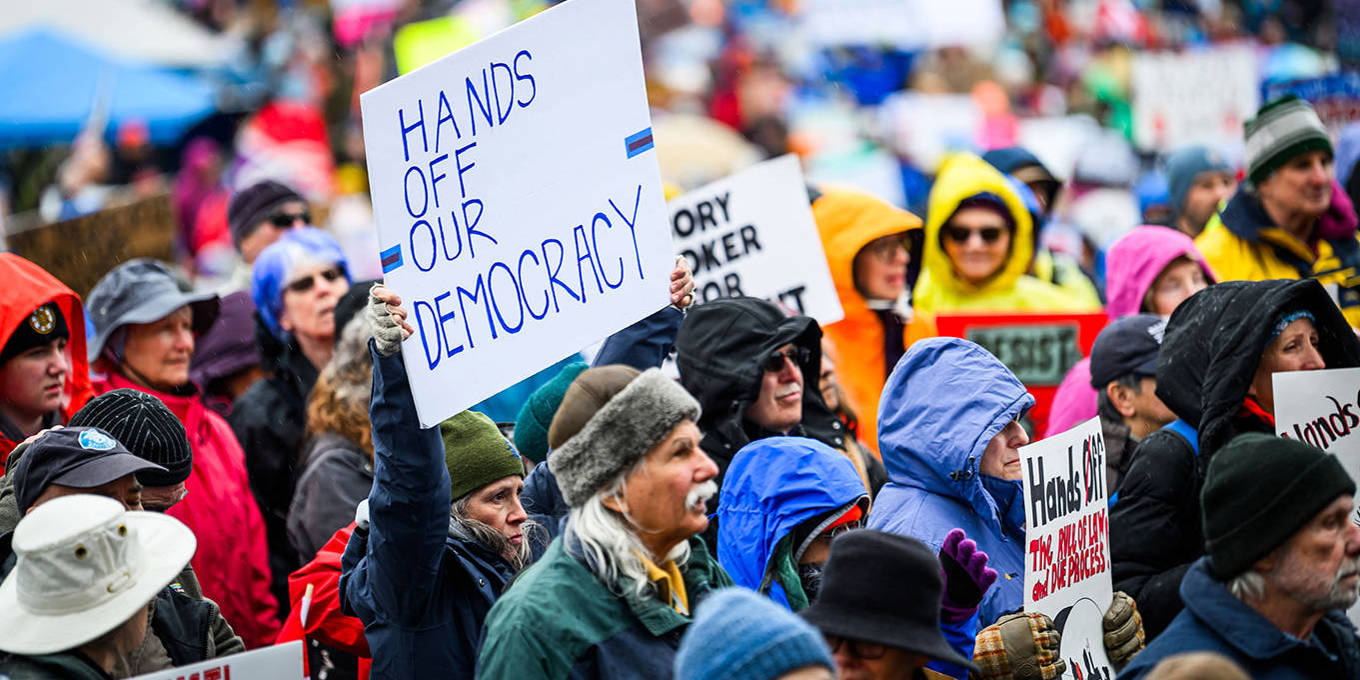
In “Making the Most of America’s Midterm Tsunami,” Aziz Huq argues that Democrats should use their reported 2026 midterm gains to strengthen democratic institutions, rather than interpret the vote only as a response to affordability pressures. The Project Syndicate opinion article says economic concerns may have ranked first for voters, but contends that durable progress on those concerns depends on a more responsive political system.
Huq’s article was published by Project Syndicate on November 6 and republished by Dawn with permission on November 7. It presents a political argument, not an official account of election results or voter attitudes.
What does Aziz Huq say Democrats should do after the midterms?
Huq says Democratic majorities should treat the election as an opportunity to repair institutions that shape representation and government accountability. He identifies partisan electoral districting, the Senate’s unequal representation of states and what he describes as an enlargement of judicial power as obstacles to effective democratic government.
The author’s central warning is that a large electoral margin can overcome such barriers in one cycle without removing them. In his view, Democrats should not assume they can reproduce a similarly broad victory in future elections, and should instead press for structural changes while they have political openings in Congress and state governments.
Why does Huq say affordability is not the whole story?
Huq accepts that economic discontent and household costs were prominent in accounts of the midterms. He cites an Associated Press exit poll as finding that the economy was voters’ leading concern, while also saying that nearly one-third of respondents put the health of democracy first. The underlying poll material is not included in the available evidence.
He argues that an explanation centred solely on inflation and affordability would miss concern about the rule of law and democratic governance. In particular, he contends that immigration enforcement and voting rights were among the issues through which some voters understood those concerns.
That distinction shapes Huq’s policy case. He writes that congressional control provides limited means to improve inflation or affordability quickly, while the president retains significant authority over trade policy and military action. Economic sentiment could therefore remain difficult for Democrats to influence before the next presidential election, he argues.
Linking economic policy and democratic institutions
Huq’s proposed response is to connect economic policy with institutional reform. He argues that democratic systems must be able to represent voters’ interests if they are to produce credible responses to living-cost pressures. He also says Democrats should make a clearer link between allegations of corruption and the weakening of democratic accountability, rather than rely on scandal alone as a political message.
The article does not present its prescription as a settled conclusion from the reported election. It advances Huq’s view that the value of any Democratic victory would lie in whether it leads to reforms protecting representation, accountability and the rule of law.
This story draws on original reporting from Project Syndicate.