Africa climate finance reaches $74bn, but debt and gaps persist
CPI says African climate finance more than doubled to $74bn in 2023/24, yet flows remain below stated needs and unevenly distributed.
By David L. Chen · Senior Columnist
· 3 min read
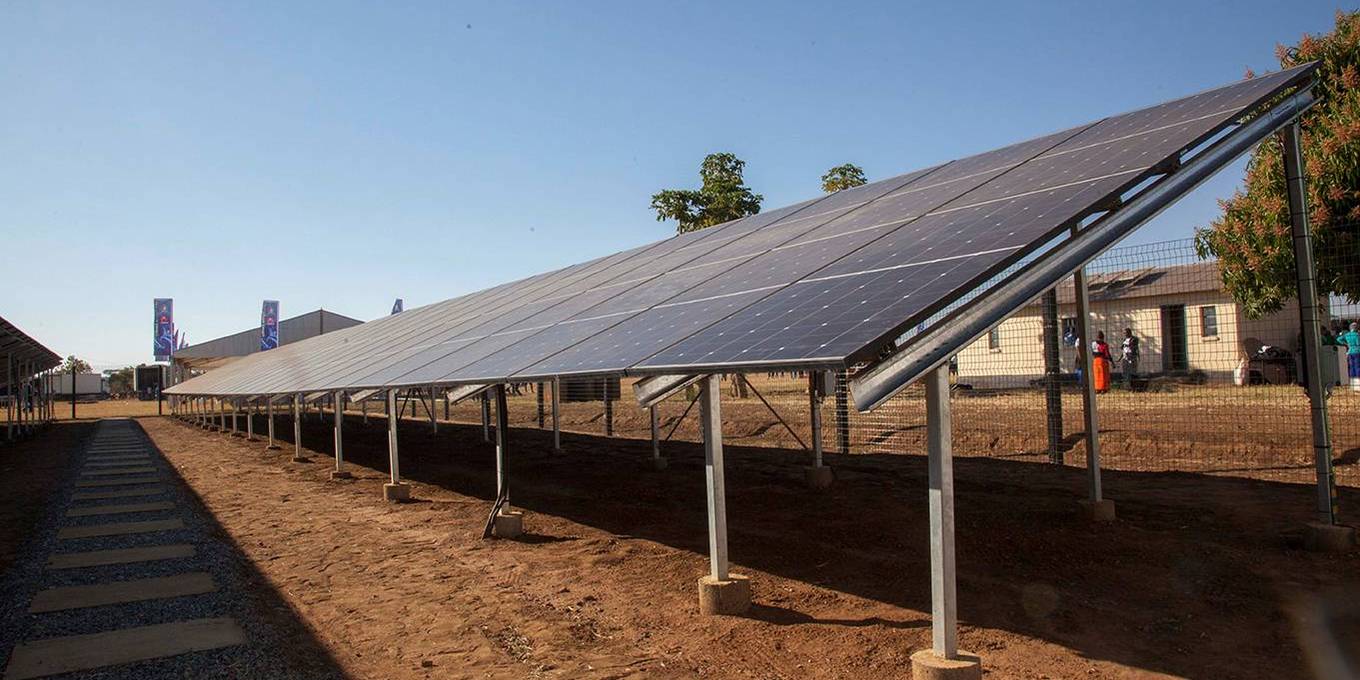
Africa climate finance 2026 data show that tracked flows averaged $74 billion in 2023/24, more than twice the level recorded in 2019/20, according to Climate Policy Initiative’s stocktake published on November 13. The increase still falls well below the $207 billion in annual climate-finance needs implied by African countries’ national climate plans for 2025-30, CPI said.
The figures shift attention from the size of funding pledges alone to the terms and destination of the money. CPI recorded $52 billion from international sources and $23 billion from domestic sources in 2023/24, with rounding accounting for the small difference from the $74.2 billion total shown in its data.
Project-level public debt that CPI did not classify as concessional was the largest financing instrument, at $21 billion. Grants accounted for $14 billion, while project-level concessional public debt provided $11 billion. A loan is financing that must be repaid, usually with interest; concessional lending carries more favourable terms than market-rate borrowing, while grants do not require repayment.
Why is Africa climate finance still falling short?
Climate-finance volumes have increased, but CPI’s data indicate that allocation across countries and sectors remains uneven. Central Africa received $6.5 billion, or 9% of tracked flows. In Southern Africa, South Africa received more than 90% of the subregion’s finance, while Egypt, Morocco and Tunisia together received 90% of Northern Africa’s flows. CPI cautioned that gaps in reporting partly affect comparisons between subregions.
Investment was also concentrated by purpose. Mitigation received $52 billion in 2023/24, compared with $15.7 billion for adaptation and $7 billion for activities with both mitigation and adaptation benefits. Energy systems attracted $32 billion. Water and wastewater, industry and waste together received 8% of tracked flows, according to CPI.
The research group said African countries’ nationally determined contributions, or NDCs, point to annual needs of $134 billion for mitigation and another $73 billion for adaptation and dual-benefit activity between 2025 and 2030. NDCs are the national plans countries submit under the Paris climate framework.
Can domestic capital fill part of the gap?
Private climate finance more than tripled to $26.5 billion in 2023/24, CPI said, although public finance remained central, particularly in low-income countries. Domestic sources supplied more than three-quarters of private climate dollars, including local commercial financial institutions, companies and households.
CPI estimated that African banks, insurers and pension funds manage about $3.2 trillion in assets, yet domestic institutional investors supplied only $0.1 billion of tracked climate finance in 2023/24. The difference points to the potential, and the present limits, of channeling local savings into climate-related projects.
In a separate Project Syndicate commentary, Penelope Gregoriou argued that affordability should carry more weight in climate-finance reporting and lending decisions. She called for loans to be recorded according to their concessional component rather than face value, for grants to be used for countries facing moderate or high debt-distress risk, and for more local-currency lending. Those are policy proposals rather than conclusions of CPI’s dataset.
Older CPI estimates underline the scale of the challenge. Its 2022 assessment put the cost of implementing African NDCs in 2020-30 at about $2.8 trillion, of which governments had committed $264 billion in domestic public resources. The estimates are not directly comparable with the latest annual-flow measure, but both point to financing needs extending beyond current tracked investment.
This story draws on original reporting from Project Syndicate.