AI hiring near Mission Bay draws homebuyer interest to Noe Valley
Nona Ehyaei Real Estate says AI workers are moving from Mission Bay rentals into homes in nearby San Francisco neighborhoods.
By Sarah Jenkins · Chief Macro Economics Correspondent
· 3 min read
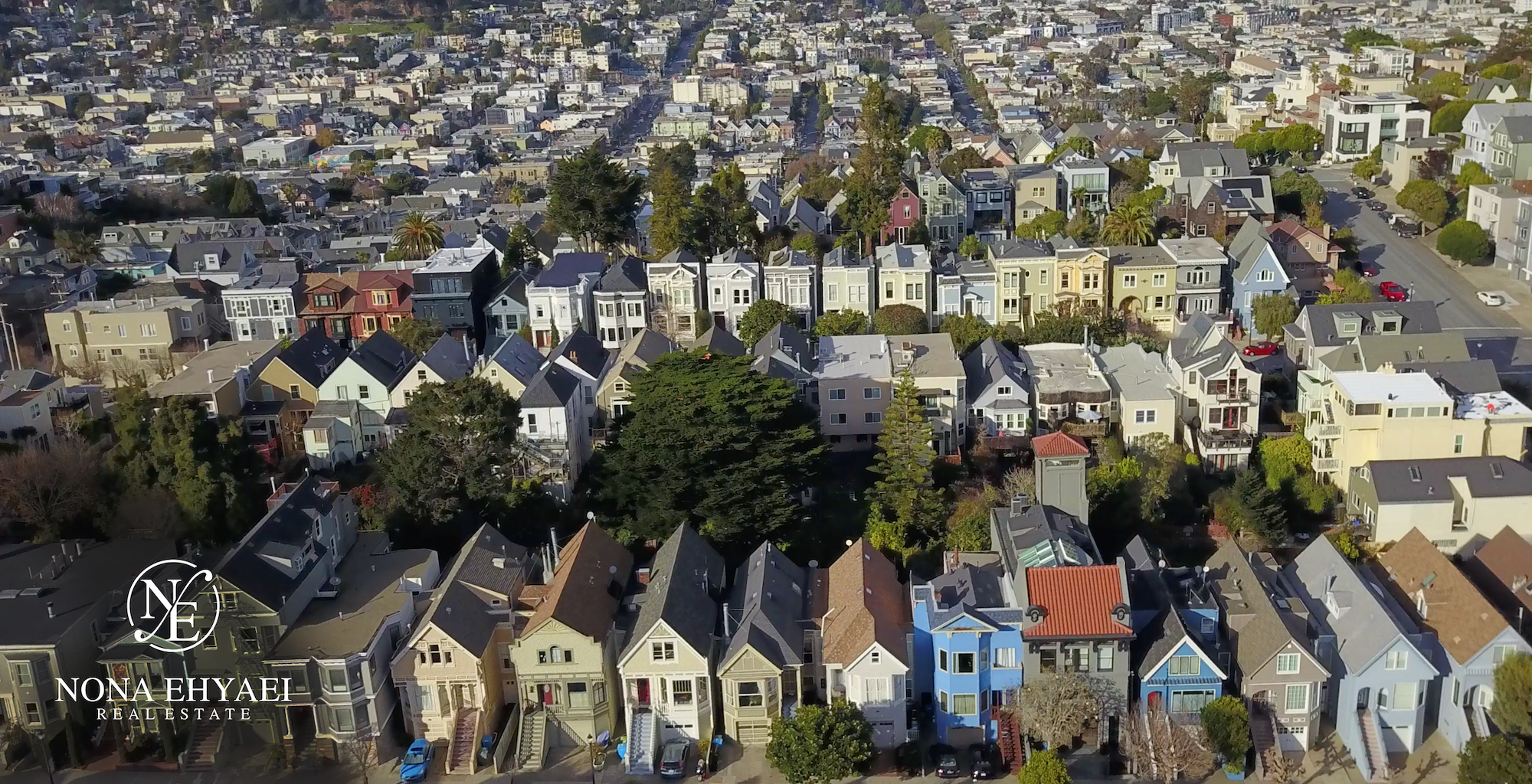
Nona Ehyaei Real Estate has released a market update tying San Francisco’s artificial intelligence expansion to rising homebuyer activity around Mission Bay, Noe Valley and nearby residential districts. The firm points to OpenAI’s footprint of more than 1mn square feet in Mission Bay as a driver of demand from highly compensated AI workers entering the city’s housing market.
The pattern described by the brokerage is a neighborhood-level version of the broader AI boom: workers first cluster near offices, then begin testing nearby residential markets as they assess commute times, lifestyle and long-term property prospects. In San Francisco, that has made Mission Bay an entry point for some technology employees while pushing attention toward areas such as Noe Valley, Potrero Hill and Bernal Heights.
Nona Ehyaei, the firm’s principal and a San Francisco Bay Area real estate agent, said many new AI employees begin by renting luxury apartments within walking distance of work before searching for homes where they can settle for longer periods. “Mission Bay has become the front door to San Francisco for many AI professionals,” she said.
The shift matters for sellers because buyer composition can influence how homes are marketed and which property features receive emphasis. A condominium close to Mission Bay may appeal to workers prioritising office access, while a family-oriented house in Noe Valley may draw buyers looking for parks, restaurants, residential streets and a manageable commute.
Ehyaei identified Noe Valley as a recurring destination in the next stage of the search. She said AI buyers often value Mission Bay’s convenience but later seek neighborhoods with more community feel and traditional housing stock. The update also named Potrero Hill, Bernal Heights and select Peninsula communities, including Hillsborough, as areas buyers may consider as careers and families develop.
That migration path reflects a familiar housing-market mechanism in high-income employment clusters. Office concentration can support nearby rental demand first; as employees build ties to the region, some convert into buyers and broaden their search radius. In tight urban housing markets, even a narrow pool of well-paid buyers can affect competition for particular property types, especially in neighborhoods with limited supply and strong commute access.
The brokerage’s San Francisco AI housing demand update frames the trend as an opportunity for homeowners who understand the preferences of this buyer group. Ehyaei said sellers frequently ask how to reach qualified buyers and that marketing should reflect the likely audience for each listing, whether the property is a modern Mission Bay unit or a Victorian in Noe Valley.
Ehyaei expects neighborhoods with convenient access to Mission Bay and established lifestyle amenities to remain in demand as San Francisco’s AI sector grows. That remains a projection by the brokerage, but it underscores how the AI expansion is moving beyond office leasing and into local housing patterns, household formation and perceptions of long-term value in nearby residential areas.