US housing starts fell to 1.246mn annual rate in October
Census Bureau data showed a 4.6% monthly drop in housing starts, while permits were nearly flat at a 1.412mn annual pace.
By Ingrid Halvorsen · Venture Capital Reporter
· 3 min read
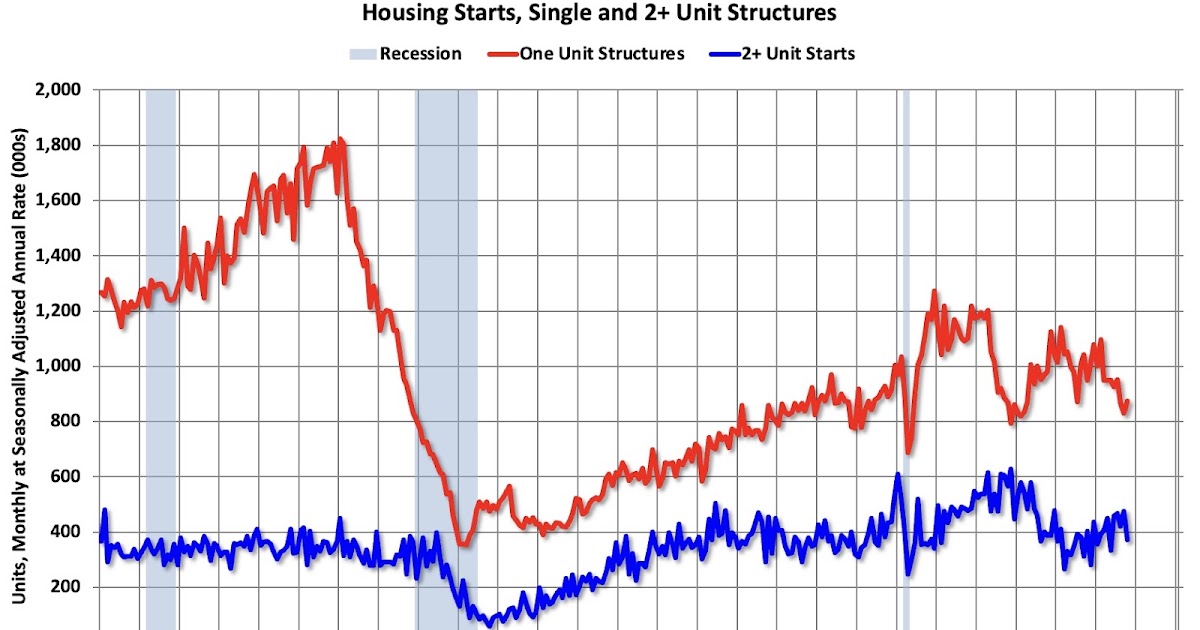
US homebuilding weakened in October, with privately owned housing starts falling to a seasonally adjusted annual rate of 1.246mn, according to the Census Bureau. The rate was 4.6% below September’s revised 1.306mn pace and 7.8% lower than the 1.352mn rate recorded in October 2024, adding another soft reading for construction activity tied to residential investment.
The figures, released in the Census Bureau’s report on permits, starts and completions, track the number of homes builders would start over a full year if the month’s pace continued after seasonal adjustment. That annualised measure is widely followed by investors and policymakers because housing construction feeds into demand for labour, materials, land development and household-related goods.
Single-family starts rose, while multifamily weakened
The decline in total starts masked a firmer reading in the single-family segment. Single-family housing starts increased to an annual rate of 874,000 in October, up 5.4% from September’s revised 829,000, the Census Bureau said.
Despite the monthly gain, single-family starts remained 7.8% below their year-earlier level, according to Calculated Risk’s review of the data. That points to continued restraint in the market for detached homes, even as October showed an improvement from the prior month.
Construction of larger apartment buildings was softer. Starts for structures with five units or more ran at an annual rate of 347,000 in October, the Census Bureau said. Calculated Risk reported that multifamily starts, measured as buildings with two or more units in its chart series, declined from September and were 7.9% below the level of a year earlier.
Multifamily starts tend to be more volatile than single-family construction because a smaller number of large projects can move the monthly data. The measure still matters for the rental market, where new supply affects vacancy rates, rent growth and financing conditions for apartment developers.
Permits pointed to little near-term acceleration
Building permits, a forward indicator for future construction, were almost unchanged. Privately owned housing units authorised by permits stood at a seasonally adjusted annual rate of 1.412mn in October, down 0.2% from September’s revised rate of 1.415mn, according to the Census Bureau.
Permits were also 1.1% below the October 2024 rate of 1.428mn. Single-family permits slipped to an annual pace of 876,000, 0.5% lower than September’s revised 880,000. Authorisations for buildings with five units or more were at a 481,000 annual rate in October.
A permit is not the same as a start, but it gives a view of builders’ project pipeline because most new construction requires local authorisation before work begins. A flat permits reading alongside weaker starts suggests that approved projects have not translated into a broader acceleration in groundbreakings in the October data.
Calculated Risk said total housing starts were well below expectations, without citing a specific consensus estimate. The housing data schedule has also been disrupted: Calculated Risk said November figures were still unavailable because of the government shutdown.
The October report leaves the single-family and multifamily sectors sending different near-term signals. Starts of detached homes improved on the month, while total activity fell because of weakness elsewhere in the construction mix, and permits showed limited change in the pipeline for future building.
This story draws on original reporting from Calculated Risk.