Cheaper gasoline lifts Hostfully travel index as lodging costs weigh
Hostfully’s July index rose 14.3 points as lower fuel prices, better sentiment and AAA’s July 4 travel forecast pointed to firmer services demand.
By Ingrid Halvorsen · Venture Capital Reporter
· 3 min read
Hostfully reported the largest monthly rise in its travel-demand gauge in July, a signal that cheaper gasoline and improving consumer sentiment are helping unlock discretionary spending ahead of the peak summer season. The company’s Hosting & Travel Index climbed 14.3 points from June to a Getaway Score of 63.5 out of 100, even as lodging inflation remained a constraint on household travel budgets.
The reading puts vacation rentals in the broader debate over the resilience of the services economy. Lower fuel costs can quickly change the affordability of road trips, while consumer confidence affects whether households are willing to spend on optional travel. For operators and investors tracking summer demand, the July figures point to a rebound led more by driving than flying.
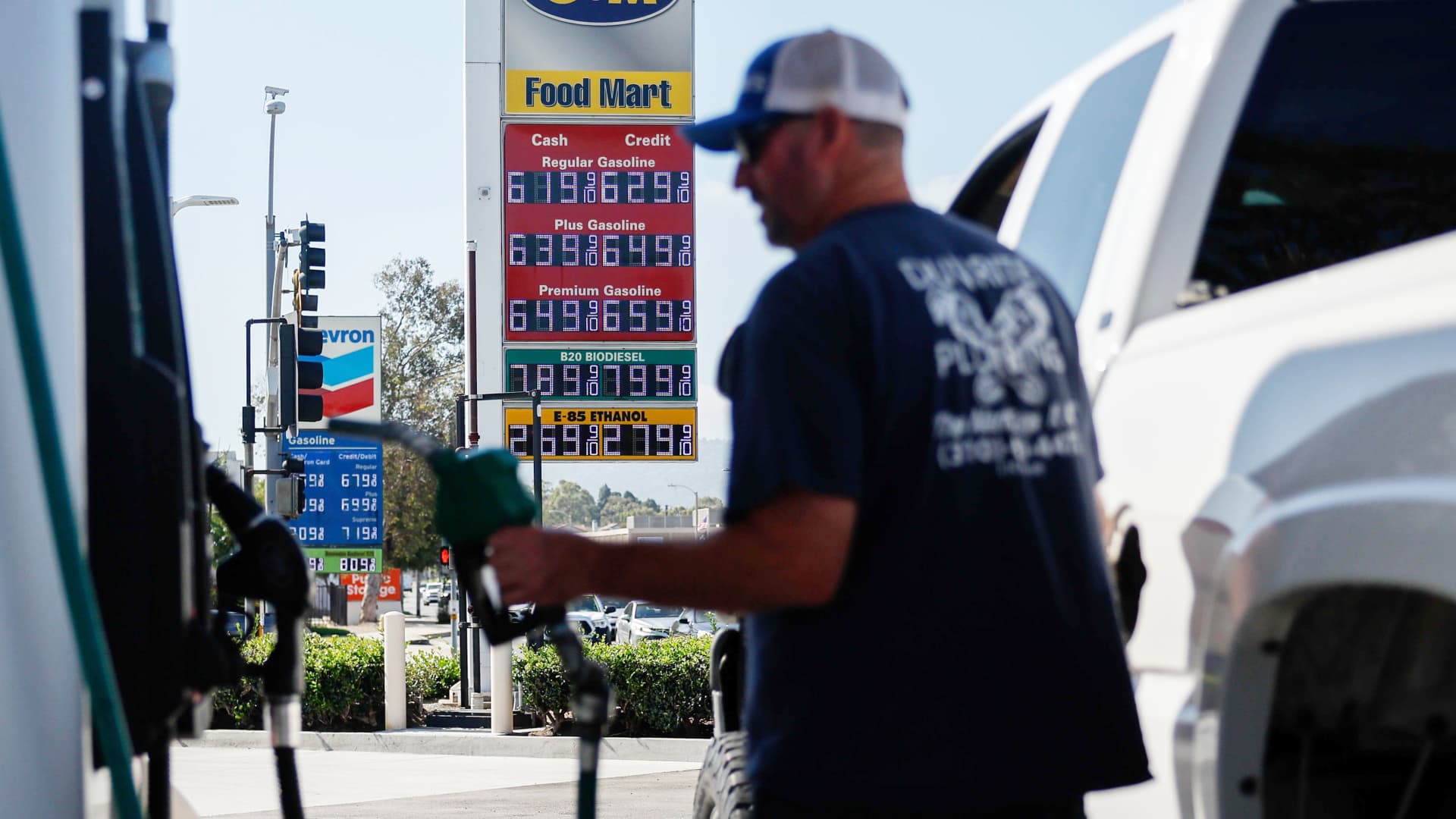
Gasoline fell to a national average of $3.86 a gallon, down 15% in six weeks and below $4 for the first time since late March, according to figures cited by Hostfully. AAA projected 72.2 million Americans would travel during the July 4 week, a holiday record in its forecast, with 85% expected to drive. That implies about 61 million road trips over nine days.
Consumer sentiment also improved. The University of Michigan reading rose 10.5% to 49.5, which Hostfully described as the second-largest monthly gain on record and a rebound from May’s low. Margot Schmorak, Hostfully’s co-founder and chief executive, said lower gasoline prices, stronger sentiment and the July 4 forecast moved together after months in which affordability had weighed on travel decisions.
Inflation remains the counterweight
Prices remain the weakest part of the demand picture. Lodging CPI was up 4.2% year over year, the highest reading since 2023, according to the index data. Travel-related costs were uneven: airfares rose 26.7% from a year earlier, hotel prices increased 5.1%, and the U.S. Travel Association’s Travel Price Index was up 9.8%, marking a fourth consecutive month of acceleration.
That combination suggests consumers may be more willing to travel while still sensitive to the full cost of a trip. With gasoline down and airfares sharply higher, the July reading points to a summer in which drive-to destinations have an advantage over markets more dependent on flights.
The monthly vacation rental travel index combines seven signals: Hostfully platform data, Transportation Security Administration throughput, Google search trends, gasoline prices, lodging CPI, consumer sentiment and weather. In July, five of the seven improved: sentiment, gasoline, TSA throughput, search trends and weather. Hostfully’s own platform data was flat, while CPI moved against the broader improvement.
Regional gap widens
All U.S. regions improved in July, but Hostfully said the spread between the strongest and weakest areas was the widest since the index began in April. The Southeast scored 78.0 and moved into the company’s “Partly Sunny” category for the first time this year, helped by lower fuel costs, drive-market demand and a quieter hurricane season. Atlantic accumulated cyclone energy was running 81% below normal year to date.
The Midwest remained the lowest-scoring region at 48.0, leaving a 30-point gap with the Southeast. The highest-ranked markets were Southeast beach and leisure destinations: Destin, Florida, at 82.5; Myrtle Beach, South Carolina, at 82.0; Gulf Shores, Alabama, at 81.5; Outer Banks, North Carolina, at 80.5; and Gatlinburg, Tennessee, at 80.0.
Jackson, Mississippi, and Lake Tahoe, California, recorded the largest monthly gains, rising 13.5 and 12.0 points, respectively. Houston and Galveston were the notable decliners, down 3.5 and 3.0 points, with both affected by the path of Tropical Storm Arthur.
Hostfully, a vacation rental property management software provider, serves professional hosts and property managers in more than 100 countries. For those operators, the index suggests that demand is returning at the same time higher lodging and travel prices are keeping consumers selective.