Hormuz tensions put ECB rate pause in doubt as oil climbs
Brent’s move above $85 has revived questions over the ECB’s July 22 rate decision after June’s 25 basis point increase.
By Ingrid Halvorsen · Venture Capital Reporter
· 3 min read
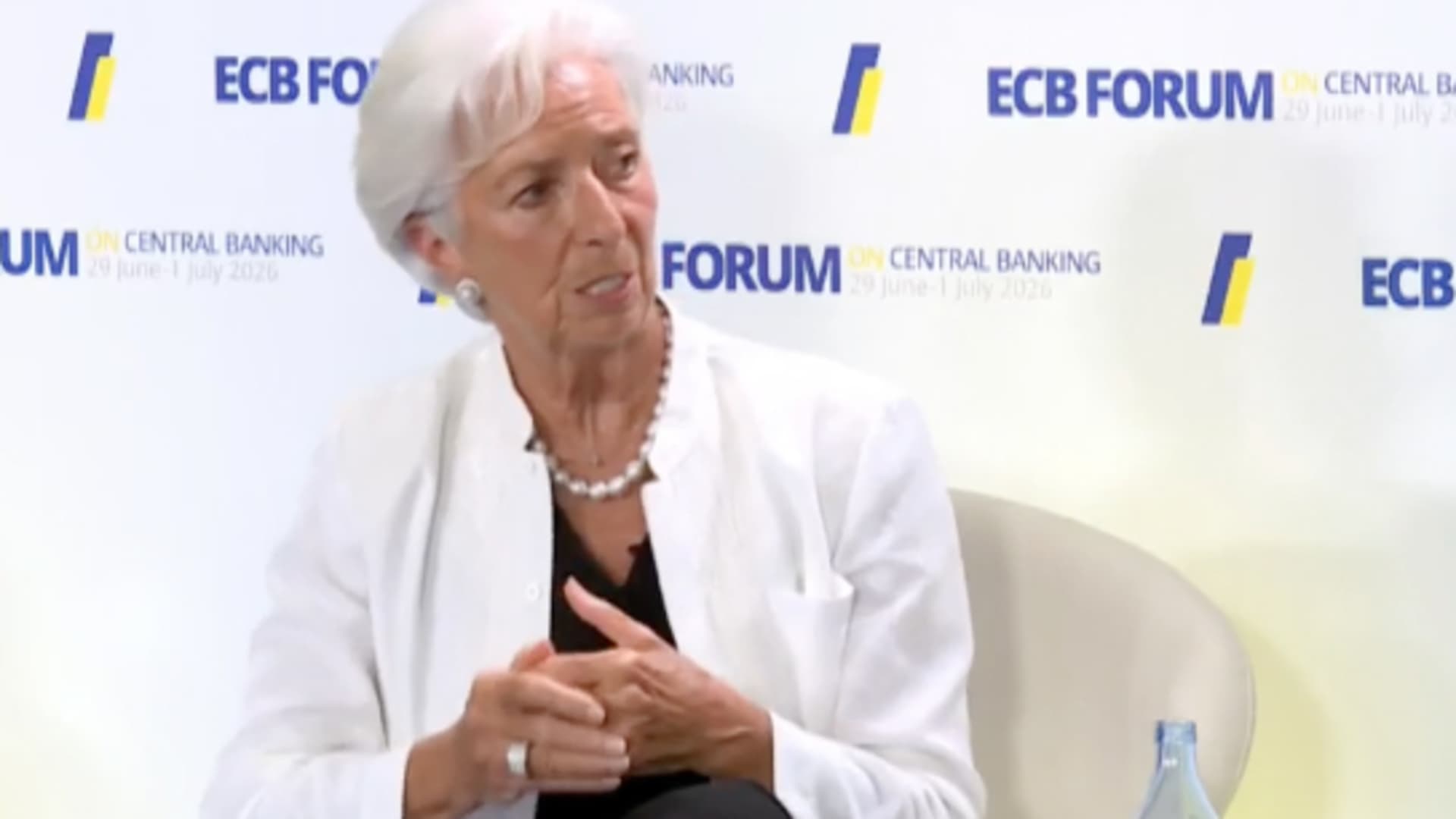
Renewed fighting between the U.S. and Iran around the Strait of Hormuz has pushed oil back above $85 a barrel and unsettled expectations for the European Central Bank’s July 22 policy meeting. Market pricing cited by CNBC still points to only about a 20% probability of a 25 basis point increase next week, but the move in energy prices has made a hold less certain.
The ECB raised its deposit rate by 25 basis points in June to 2.25%, reversing a sequence of four cuts in the first half of 2025 that had lowered the rate from 3% to 2% by mid-June. The shift followed a rise in headline inflation after the outbreak of the Iran war, with eurozone price growth reaching 3.2% in May before easing to an initial estimate of 2.8% in June.
Joachim Nagel, president of Germany’s Bundesbank and a member of the ECB’s rate-setting Governing Council, told Reuters on Wednesday that the renewed conflict in the Middle East and the fresh increase in crude prices showed conditions remained “extremely volatile” and uncertainty was high. Reuters quoted him as saying that the ECB should proceed cautiously while being ready to act decisively if needed, and that policy would stay vigilant.
Energy shock tests inflation outlook
Energy matters to the eurozone because the bloc relies heavily on imported fuel. Eurostat’s most recent available data show the euro area imported 57% of its energy needs in 2024, leaving households and companies exposed when global oil and gas costs rise.
Higher crude prices can lift headline inflation directly through fuel and energy bills. The larger policy concern is whether that initial shock spreads into wages, services and other prices, a process central bankers describe as second-round effects. June’s initial inflation estimate showed energy costs up 8.7% from a year earlier, while core inflation was contained at 2.4%, indicating limited broader pass-through at that stage.
Brent crude futures for September delivery traded above $85 a barrel early Wednesday, according to CNBC market data, after being closer to $70 last week. The latest rise followed several days of exchanges between the U.S. and Iran over control of the Strait of Hormuz, a key route for oil shipments.
Decision comes before fresh data
The ECB will decide policy before receiving the next major updates on the eurozone economy. Initial estimates for second-quarter gross domestic product are due July 30, while July inflation figures are scheduled for July 31. That timing leaves policymakers to judge the oil shock without the latest activity and price data.
The growth backdrop is weak. The eurozone economy contracted 0.2% year on year in the first quarter of 2026, according to the figures cited by CNBC, raising the risk that tighter monetary policy could weigh further on activity.
ING rates strategists Michiel Tukker and Benjamin Schroeder wrote in a Wednesday note that forthcoming inflation numbers would be central to testing hawkish market positioning, but said those figures may still fail to settle concerns about second-round risks. They wrote that market pricing for the ECB could continue to diverge from that for the Federal Reserve, with U.S. inflation momentum expected to be downward while Europe’s inflation peak “might not be in sight yet” if energy prices rise further.
Investors had largely ruled out another ECB increase after oil prices fell last month, according to CNBC. Even so, current market pricing still implies two additional 25 basis point increases by next spring, which would lift the deposit rate to 2.75%.
Martin Kocher, head of Austria’s central bank, told German newspaper Börsen-Zeitung on Wednesday that policymakers were paying close attention to indirect price effects from the Middle East war and possible second-round effects. He said the bank did not currently see such effects, but that monetary policy must also take inflation expectations into account.
This story draws on original reporting from CNBC.