Europe drought on Rhine and Danube disrupts power and freight
Romania used controlled Danube blasts to aid nuclear cooling as low water raises Rhine freight costs and strains power supply.
By David L. Chen · Senior Columnist
· 3 min read
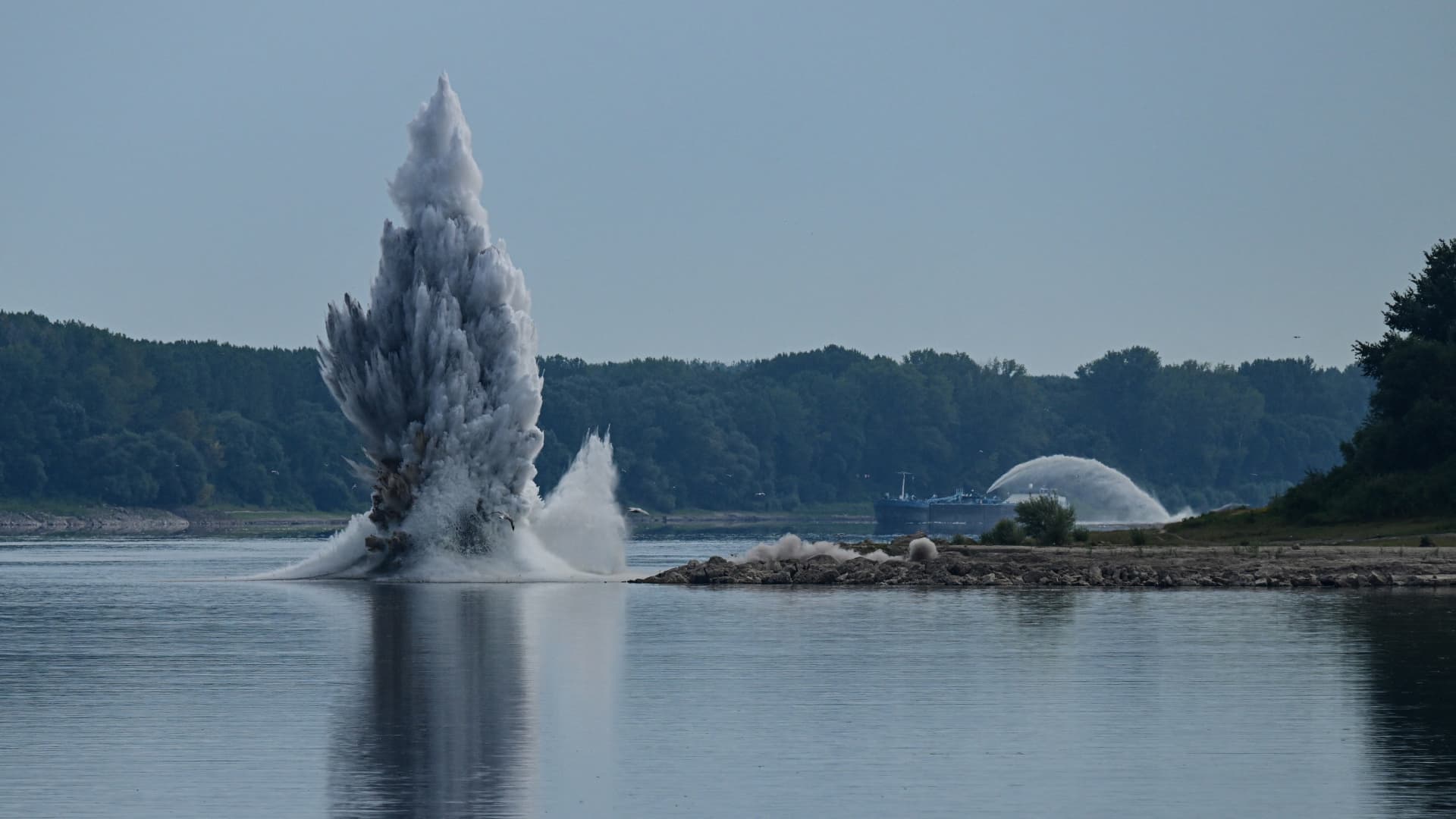
Europe drought on the Rhine and Danube is disrupting freight capacity and electricity generation, with Romania using controlled underwater explosions near Izvoarele to improve the flow of Danube water towards the Cernavodă nuclear plant’s cooling system. CNBC and The Wall Street Journal reported that the intervention was intended to redirect water to the power station during exceptionally low river levels.
The action was a local water-flow measure, rather than a broad campaign to alter riverbeds across Europe. Romanian naval forces carried out the detonations, CNBC reported, while the Journal separately described a Romanian government effort using explosives to improve water flow from the drought-hit Danube.
The wider economic pressure extends from power generation to transport. Major rivers supply cooling water for some nuclear facilities, drive hydropower turbines and carry industrial cargo. When levels fall, those functions can be constrained at the same time.
Why are low Rhine and Danube levels disrupting Europe’s economy?
On the Rhine, shallow water reduces the weight barges can safely carry. Shipping can continue even below the critical navigation threshold, but operators must lighten loads, which raises the cost per unit of cargo and can trigger low-water surcharges, according to CNBC.
At Kaub, a key point on the Rhine route towards southern Germany and Switzerland, the gauge fell to 24 centimetres on Monday and Tuesday, CNBC said, citing official data compiled by ETH Zurich. That was below the 78-centimetre critical level and the lowest reading in records dating to 1880, according to the report.
Stefan Kooths of the Kiel Institute for the World Economy told CNBC that the disruption could reduce German gross domestic product by as much as 0.2% in the third quarter. He put the possible loss in value added at roughly €1 billion to €2 billion, an estimate rather than an official forecast. He said transport capacity was likely to remain affected if water levels did not recover above the threshold.
Low Danube levels have also affected power and transport elsewhere in central and eastern Europe. CNBC reported reduced nuclear and hydropower output in several countries, while the Journal reported difficulty moving goods in German industrial regions. The Guardian likewise reported effects on shipping, energy production and tourism, including reported operational constraints at nuclear plants in Romania and Hungary.
Liz Saccoccia, water security lead at the World Resources Institute, told CNBC that lower river levels can spread through trade, supply chains and energy security because waterways serve both industry and electricity systems. The available reporting does not include plant-operator, regulator or government records that would independently verify the reported reactor operational changes.
The episode highlights a recurring exposure for European businesses and public authorities: waterways function as transport corridors and as operating infrastructure for power and industry. Berenberg economist Felix Schmidt told CNBC that companies had increasingly prepared for low Rhine levels by building inventories or shifting some cargo to rail and road, although he said freight rates were rising sharply.
This story draws on original reporting from CNBC.