July CPI 2026: US consumer prices rose 0.1% as annual inflation eased to 3.4%
US consumer prices rose 0.1% in July as energy prices fell, while annual inflation slowed to 3.4%, according to the Bureau of Labor Statistics.
By Sarah Jenkins · Chief Macro Economics Correspondent
· 2 min read
July CPI 2026 data showed US consumer prices rose 0.1% on a seasonally adjusted basis, while the 12-month inflation rate eased to 3.4% from 3.5% in June, the Bureau of Labor Statistics said. The result matched the pre-release FactSet consensus reported by Morningstar, and followed a 0.4% fall in the headline index in June.
The Consumer Price Index tracks changes in a weighted basket of goods and services. Its latest reading showed food and shelter each increasing 0.1% during July, while the energy index declined 1.5%. The BLS said shelter accounted for roughly two-thirds of the overall monthly increase.
Excluding food and energy, the core CPI rose 0.2% in July after being unchanged in June. Over 12 months, core CPI increased 2.5%, down from 2.6% in the year through June. Morningstar reported before the release that economists surveyed by FactSet had expected the same monthly and annual core readings.
What drove the July CPI 2026 increase?
Housing-related costs remained a significant contributor. The shelter index rose 0.1%, while both rent of primary residence and owners' equivalent rent increased 0.3%. The BLS describes owners' equivalent rent as an implicit rental-value measure for owner-occupied homes, rather than a measure of house prices, mortgage interest or property taxes.
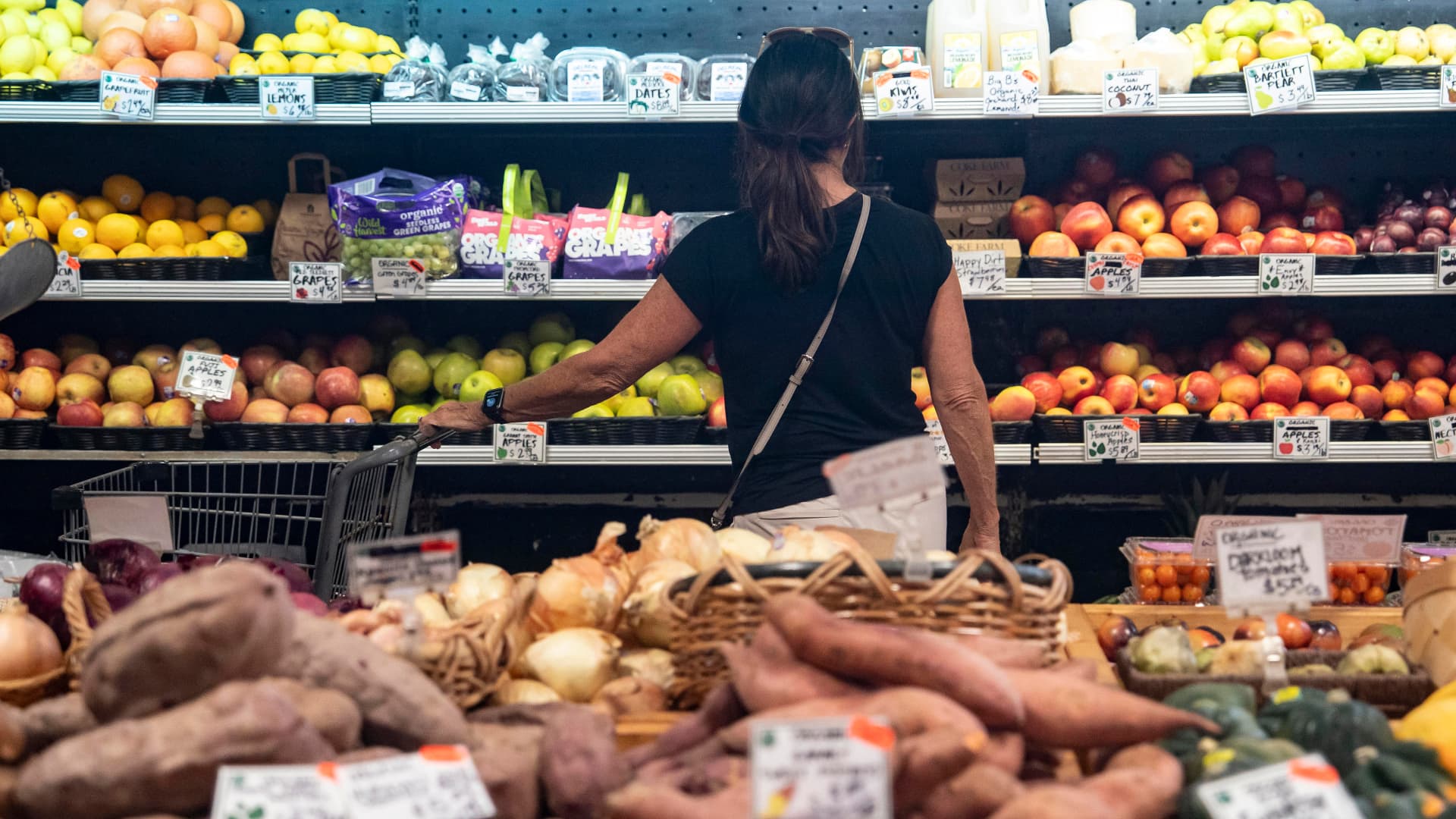
Food prices also rose 0.1%. Grocery prices, measured by food at home, fell 0.1%, while food away from home rose 0.3%. Within energy, gasoline prices declined 2.9% during the month. Inflation measurement depends on both the price changes in individual categories and their weights in the overall index.
Other increases included medical care, up 0.4%; airline fares, up 2.2%; communication, up 0.6%; education, up 0.5%; and used cars and trucks, up 0.4%, according to the BLS. Motor vehicle insurance fell 0.3%, and lodging away from home dropped 2.8%.
How did July inflation compare with earlier months?
The 3.4% annual headline rate marked a further reduction from 4.2% in May and 3.5% in June. Energy prices nevertheless remained 14.7% higher than a year earlier, while food was up 3.0% and shelter rose 3.2% over the same period, the BLS reported.
The Federal Reserve's rate-setting committee next meets in September. CNBC reported on the release day that stock futures rose and Treasury yields declined after the figures, while futures traders reduced the implied probability of a September rate increase. That market response reflected investor pricing and does not determine the Fed's policy decision.
The July figures provide one further inflation reading before the September meeting, alongside subsequent data on prices and the broader economy.
This story draws on original reporting from CNBC.