Trump sets 2028 tariff schedule for imported generic medicines
The president said generic drug imports would face no U.S. tariff for two years, then a 100% levy in 2028 and 200% a year later.
By David L. Chen · Senior Columnist
· 3 min read
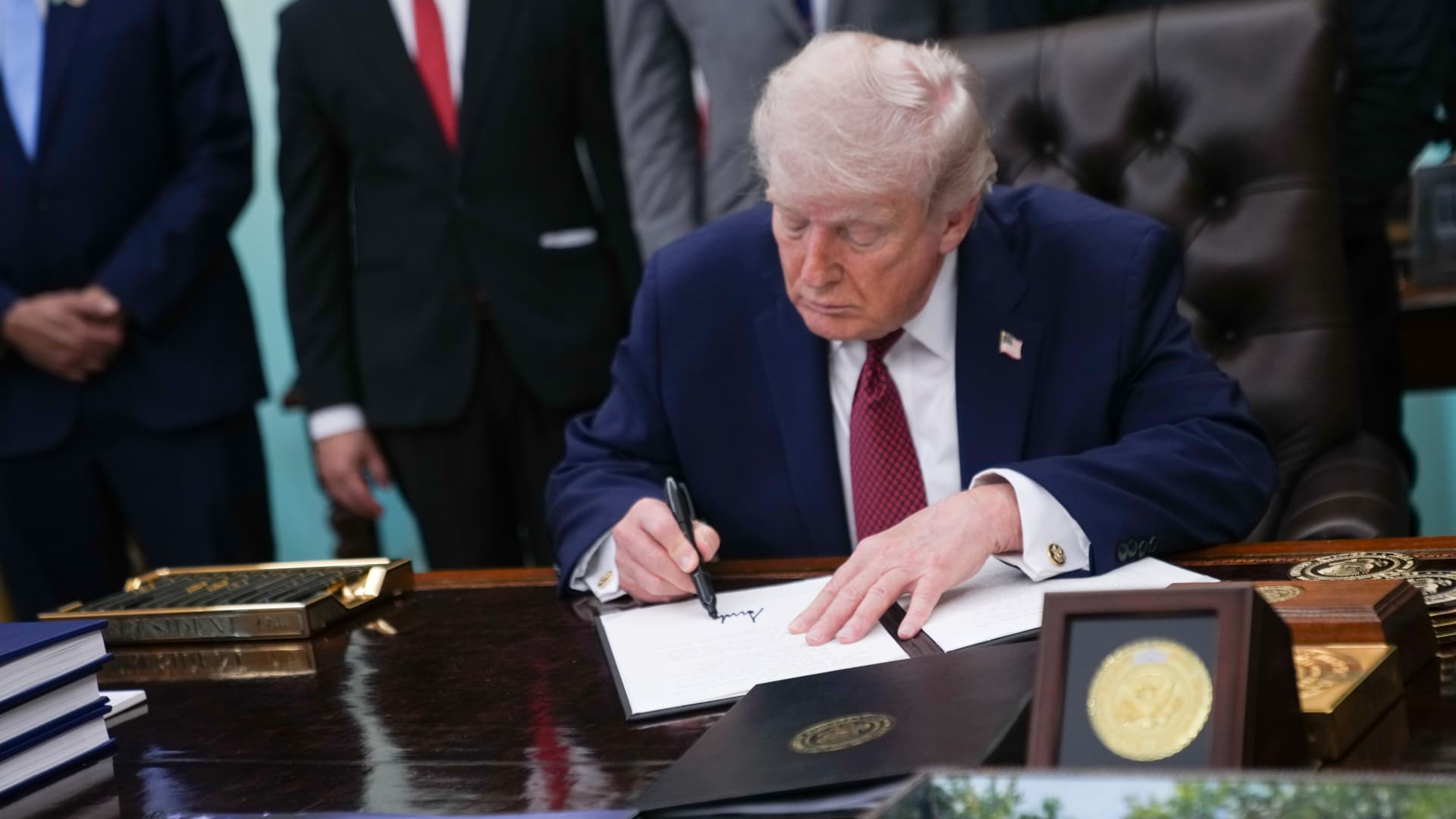
President Donald Trump said imported generic medicines will face no U.S. tariff for two years from Aug. 1, followed by a 100% duty in August 2028 and a 200% duty one year after that. The phased plan is aimed at pressuring manufacturers of lower-cost medicines to shift production into the United States, according to Trump.
In a Tuesday post on Truth Social, Trump described the future levies as a penalty for companies that do not build U.S. plants and facilities during the tariff-free period. The measure would extend the administration’s use of trade policy to reshape pharmaceutical supply chains, with potential consequences for producers in India and suppliers of drug ingredients in China.
A tariff is a tax applied to imported goods at the border. In this case, the structure gives generic drugmakers a grace period before the levy starts, creating a financial incentive to establish or expand domestic production before imported products become more expensive to bring into the U.S. market.
Generic drugs were previously exempt
Trump said tariffs on patented and branded medicines would not change. On April 2, the president imposed a 100% tariff on patented pharmaceutical products and ingredients under Section 232, according to a White House fact sheet, while excluding generic drugs, biosimilars and related ingredients from that earlier action.
Section 232 is a U.S. trade tool used for measures tied to national security concerns. The White House said the April action was designed to strengthen domestic supply chains for patented pharmaceutical products.
Under the earlier pharmaceutical tariff schedule, larger drugmakers were given 120 days before the 100% rate applied, while smaller drugmakers that rely on contract manufacturers were given 180 days, according to CNBC.
The new plan focuses on generics, which account for a large share of U.S. medicine consumption and are often produced through global supply chains that separate active ingredient production, formulation and packaging across countries.
Drug pricing pressure runs alongside tariff policy
Trump has paired tariff threats with his “most favored nation” drug-pricing policy, which seeks to link U.S. medicine prices to lower prices charged in other high-income countries. More than a dozen major drugmakers, including Eli Lilly, Pfizer and Novo Nordisk, have reached agreements with Trump to lower prices for new and existing medicines, according to CNBC.
Those agreements exempt participating companies from tariffs for three years, CNBC reported. The administration has framed the policy as a way to ensure Americans do not pay more for medicines than patients in comparable foreign markets.
India and China face supply-chain exposure
India has significant exposure to any U.S. tariff regime for generic drugs. CNBC TV18 India cited U.S. envoy Sergio Gor as saying Indian pharmaceutical companies supply nearly 50% of all generic medicines consumed in the United States.
The U.S. accounts for about one-third of India’s pharmaceutical exports, mainly cheaper versions of widely used medicines, Reuters reported. That trade position makes the tariff timeline relevant for Indian manufacturers, U.S. importers and buyers across the health-care system.
China is also central to the upstream supply chain. Chinese companies dominate production of active pharmaceutical ingredients for drugs such as amoxicillin and heparin, according to the Council on Foreign Relations. Those ingredients are the chemical components that give finished medicines their therapeutic effect, making upstream suppliers a key part of any effort to move more pharmaceutical production into the United States.
This story draws on original reporting from CNBC.