Trump says Iran accord is surrender as Hormuz traffic resumes
The U.S.-Iran memorandum opens a 60-day negotiation period after conflict closed the Strait of Hormuz and unsettled energy markets.
By Ingrid Halvorsen · Venture Capital Reporter
· 3 min read
The United States and Iran signed a memorandum of understanding on Thursday that reopens the Strait of Hormuz and starts a 60-day push for a final settlement, following three and a half months of conflict that disrupted a chokepoint for global energy trade. President Donald Trump told Axios the accord amounted to “unconditional surrender” by Tehran and said he negotiated it to avert what he called a possible worldwide depression.
The interim agreement creates a framework for nuclear talks, restores maritime access through the strait and leaves several disputed terms for later negotiation. Such a memorandum sets out political commitments and a timetable rather than a comprehensive settlement, making the next round of talks central to whether the cease in maritime restrictions becomes a durable arrangement.
In the Axios interview, Trump was asked what the war had taught him about constraints on presidential authority. “I haven’t learned that lesson yet. I know there are, but there are no limits,” he said, according to Axios.
Shipping through the Strait of Hormuz began to recover as the agreement took effect. Maritime intelligence firm Windward said at least 18 vessel transits were recorded during the June 17-18 period, the highest count for a comparable period since the conflict began.
U.S. Central Command said Thursday that American forces had ended blockade enforcement for maritime traffic entering and leaving Iranian coastal areas. “All U.S. military blockade enforcement efforts have ceased,” CENTCOM said in a social media post, while adding that U.S. naval forces would remain in the area to monitor compliance with the agreement.
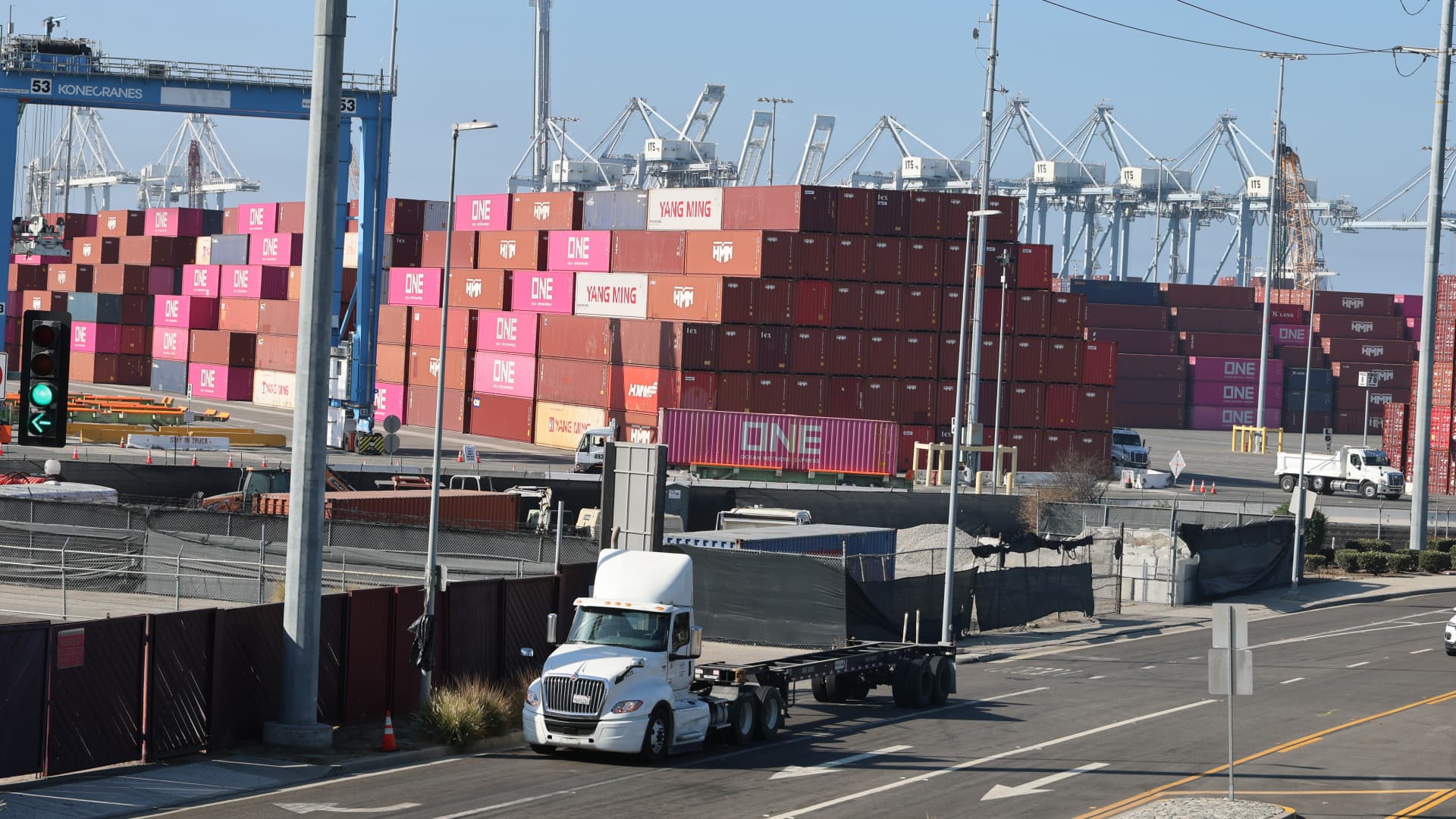
The strait’s reopening matters for energy markets because the narrow waterway is a major route for oil tankers and cargo ships moving between the Gulf and global buyers. During the conflict, its closure rattled energy markets and raised concern that a prolonged interruption could spill into broader trade and inflation pressures.
A White House spokesperson said Vice President JD Vance canceled a planned Friday trip to Switzerland, where he had been expected to begin the 60-day negotiating process with Iranian officials. The spokesperson cited logistics and said plans for the technical talks had not been finalized, though the U.S. delegation was ready to depart at the first available opportunity.
The accord has drawn criticism from Democratic lawmakers who said the administration accepted terms short of its stated objectives. Senate Minority Leader Chuck Schumer of New York told reporters that Trump did a “very poor job of negotiating” and said the United States was in a weaker position than before the war.
“This will be regarded as one of the biggest American disasters, and it’s because Trump started this war,” Schumer said, according to NBC News.
Senator Peter Welch of Vermont said Iran retained leverage through its influence over the Strait of Hormuz and argued that the conflict did not meet goals including regime change or ending Iran’s missile and nuclear programs. Welch estimated the war cost $100 billion and described the outcome as “a failure,” according to NBC News.
Trump rejected criticism that he had been too lenient toward Tehran. CNBC reported that he said critics of the deal were “jealous, bad people or stupid.” In the Axios interview, Trump also questioned what additional weeks of bombardment would have achieved while the strait remained closed, saying the situation could have caused a worldwide depression.
This story draws on original reporting from CNBC.