US factory job cuts approach crisis-era levels, S&P Global says
S&P Global’s June flash PMI showed stronger factory activity, but employment cuts deepened as companies cited cost and demand pressures.
By Ingrid Halvorsen · Venture Capital Reporter
· 3 min read
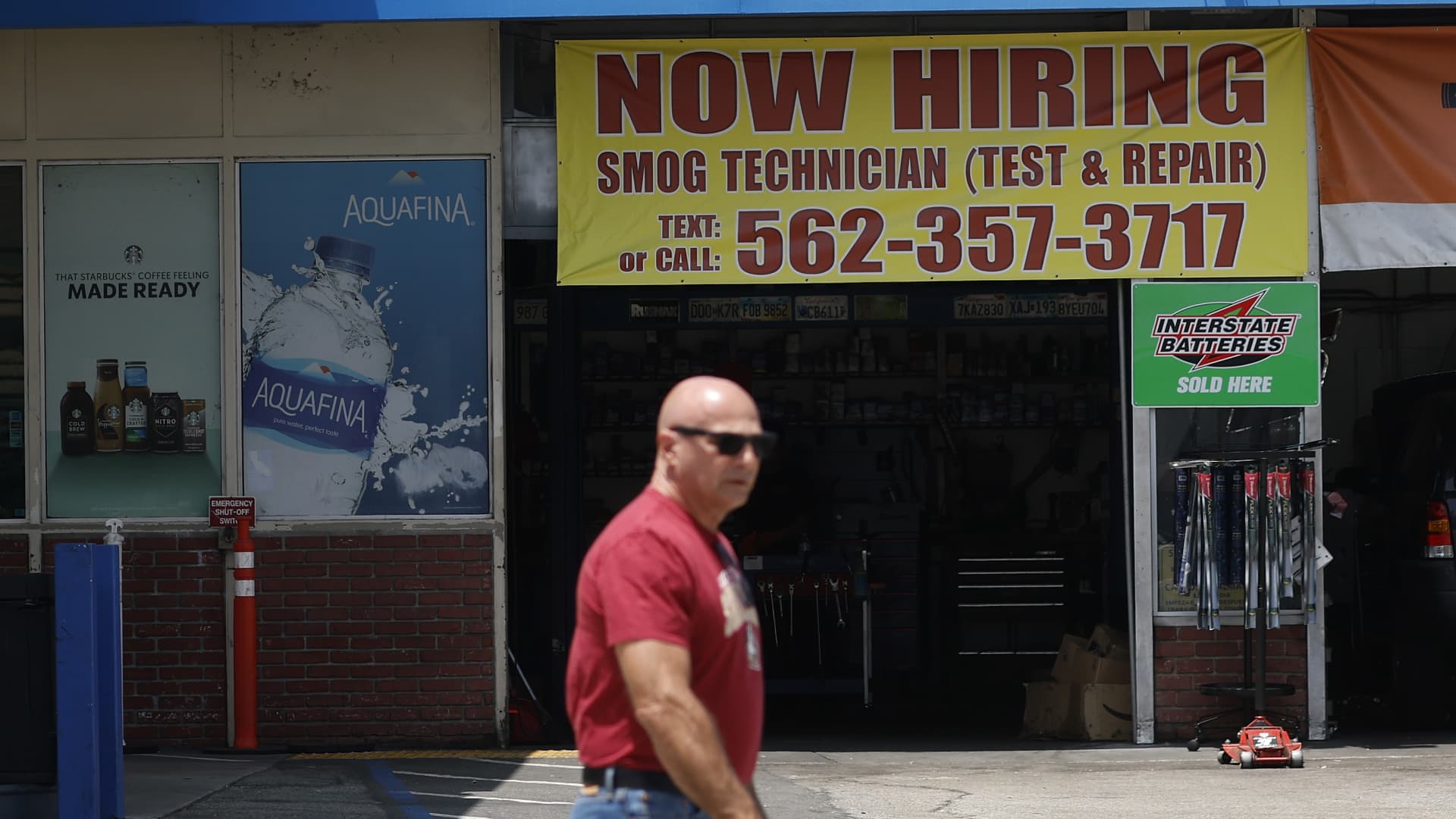
U.S. manufacturers cut jobs in June at one of the fastest rates recorded since the end of the 2009 global financial crisis, excluding the early-2020 pandemic shock, S&P Global reported Tuesday. The retrenchment came even as the firm’s flash manufacturing purchasing managers’ index rose to 55.7, above the Dow Jones consensus estimate of 54.8.
The June reading was slightly higher than in May and signalled expansion across the factory sector. S&P Global said the improvement was supported in large part by companies rebuilding inventories as supply concerns persisted, rather than by a broad strengthening in underlying demand.
Chris Williamson, chief business economist at S&P Global Market Intelligence, said the manufacturing sector showed “better news” but remained vulnerable because factory growth was being “temporarily buoyed” by stockpiling. He said supply delays became more widespread during the month.
Employment was the weaker part of the survey. S&P Global said manufacturers have reported reductions in head count in three of the past four months, with companies citing rising costs and uncertainty over demand.
Williamson said the further decline in employment was the most concerning feature of the report, especially in manufacturing. He said factory job reductions were running at the highest level since 2009 when the pandemic period is excluded, reflecting doubts about whether the recent improvement in demand can be sustained and concerns about higher raw material costs.
PMI data point to uneven growth
A purchasing managers’ index is based on company survey responses and is used as a timely gauge of business activity. Readings above 50 indicate expansion, while readings below 50 indicate contraction. In this report, S&P Global described the manufacturing figure as the share of companies reporting growth for the month.
The services side of the economy also improved modestly. S&P Global’s flash services PMI rose to 51.3, slightly above the Dow Jones forecast of 51.
The survey data contrasted with a broader labour market that has remained firm for much of the year. According to the Bureau of Labor Statistics, manufacturing employment has increased by 23,000 jobs in 2026. The overall jobs market has posted strong gains in four of the first five months of the year, based on the figures cited in the report.
Companies have faced renewed inflation pressure this year, including higher energy prices. Federal Reserve officials have been weighing whether to raise interest rates or keep cuts off the table while geopolitical risks in the Middle East remain unsettled.
Reports of a ceasefire and a possible longer-term agreement involving Iran have been followed by a decline in oil prices. Williamson said the move in oil had helped “restore some confidence” among businesses.
Output suggests modest economic momentum
S&P Global’s survey pointed to limited momentum in the broader economy. Williamson said current output levels were consistent with an economy “struggling to grow much faster than a 1% annualized rate” in the second quarter.
That assessment followed weak recent growth figures. The U.S. economy expanded at a 1.6% annualized rate in the first quarter after growing at a 0.5% rate in the fourth quarter of 2025.
Federal Reserve Chairman Kevin Warsh last week described economic growth as “solid” and linked “elevated uncertainty” in part to conflict in the Middle East. The S&P Global data suggest that, inside the factory sector, firms are still responding to that uncertainty by limiting payrolls even as headline activity indicators remain in expansion territory.
This story draws on original reporting from CNBC.