U.S. import prices rise 0.3% as China costs climb at 18-year pace
BLS data showed June import prices rose against expectations, with goods from China posting their largest monthly increase since January 2008.
By Sarah Jenkins · Chief Macro Economics Correspondent
· 2 min read
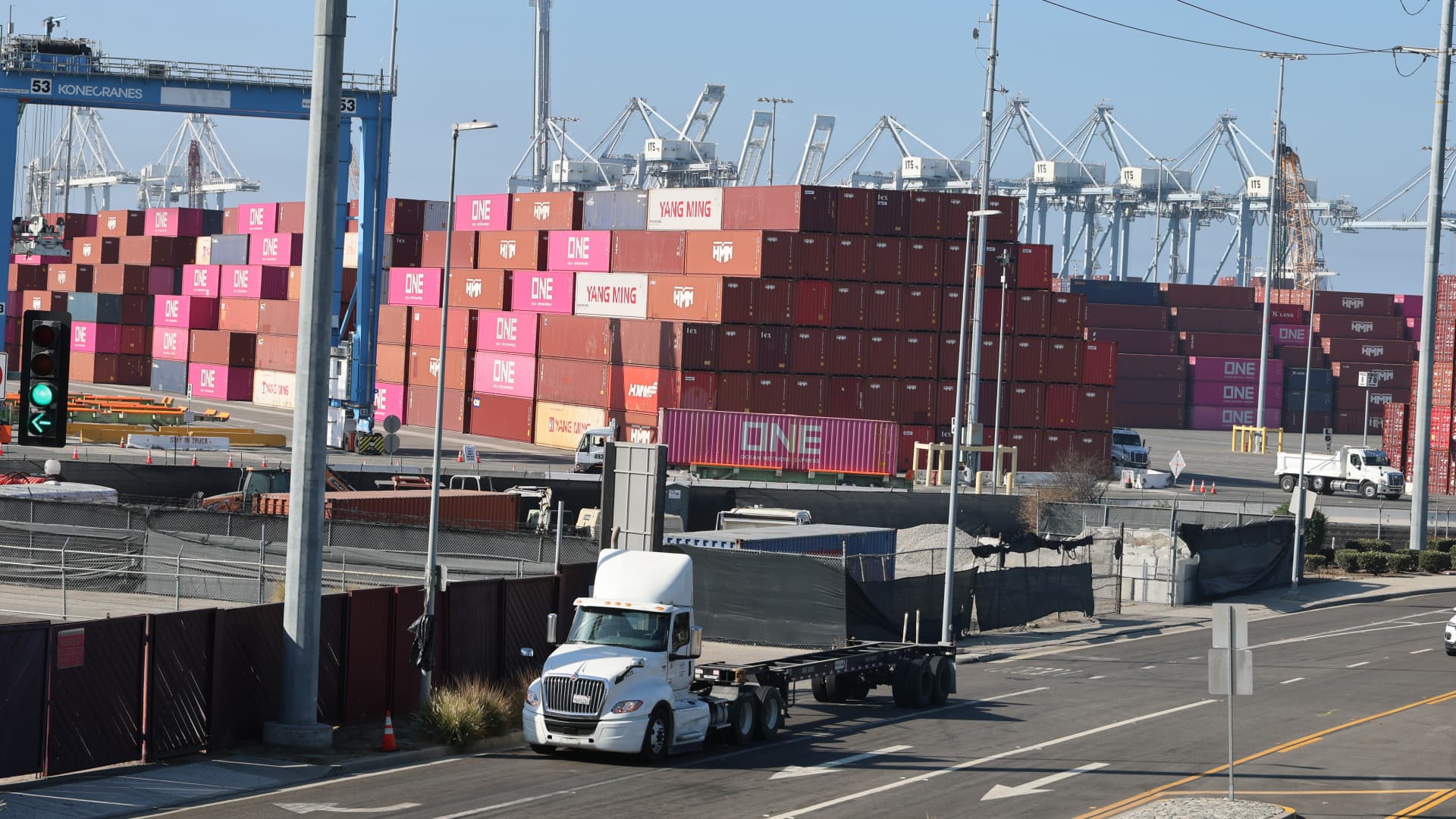
U.S. import prices rose 0.3% in June, defying economists’ expectations for a decline, as lower energy costs were outweighed by price increases in other categories, the Bureau of Labor Statistics reported Friday. Prices for goods imported from China increased 0.9%, the largest monthly rise since January 2008, adding to evidence that cost pressures extended beyond fuel.
Economists polled by Dow Jones had expected import prices to fall 0.8% for the month. On a 12-month basis, overall import prices rose 7.7%, the strongest annual increase since August 2022, according to the BLS.
The June data point to a broader composition of import inflation. The BLS said industrial and service machinery helped drive the increase, while costs also rose for computers, peripherals and semiconductors. CNBC reported that those categories may reflect price effects tied to the buildout of artificial intelligence infrastructure.
Energy provided a partial offset. Prices for fuels and lubricants declined 0.4% in June after that category rose 12.6% in May, according to the BLS. The reversal in energy limited the headline increase but did not prevent the overall index from rising.
China was a notable contributor. Import prices from China rose 1.3% from a year earlier, the largest annual gain for that category since the period from November 2021 to November 2022, the BLS data showed. CNBC described the monthly increase as a possible sign of tariff effects, while the data did not isolate tariffs as a cause.
Prices for U.S. exports to China moved in the opposite direction in June, falling 0.2% for the month. They remained 7.4% higher than a year earlier, the largest annual increase since August 2022, according to the report.
Across all destinations, export prices fell 0.6% in June, marking the first monthly decline since May 2025. Even with that monthly drop, export prices were 10.2% higher than a year earlier, the BLS said.
The import figures followed other inflation readings released earlier in the week. The BLS reported that both consumer prices and wholesale prices declined, with CNBC attributing much of those moves to falling energy costs as tensions between the U.S. and Iran briefly eased.
The combination of lower energy prices and higher non-energy import costs leaves policymakers and businesses with a mixed inflation signal. The June report showed relief in fuel-related categories, while machinery, technology-related goods and China-linked imports added upward pressure to the cost of goods entering the U.S.
This story draws on original reporting from CNBC.