2026 World Cup digital economy surged as Spain won the final
FIFA, Uber, broadcasters and retailers reported record engagement, travel demand and food orders during Spain’s World Cup win.
By Rafael Ortiz · Fintech Correspondent
· 3 min read
Spain’s 1-0 extra-time victory over Argentina closed the tournament, but the 2026 World Cup digital economy was measured in billions of views, searches, rides and delivery orders. FIFA said 5.2 billion people had engaged with the competition by the end of the round of 16, while its digital channels had produced 34 billion impressions and 2 billion engagements by the quarterfinals.
The 39-day, 104-match tournament showed how a global sports event now drives consumption across media, commerce, transport and food delivery at the same time. A goal or final whistle can trigger social sharing, merchandise demand, travel searches and late-night orders within minutes, giving platforms a concentrated test of global demand.
How did the 2026 World Cup affect the digital economy?
FIFA reported 11 billion video views, 17 billion impressions and 39 million new followers across its platforms during the group stage alone. A TikTok clip of Lionel Messi scoring for Argentina against Algeria drew 53 million views, while Shakira and Burna Boy’s opening performance reached 131 million views on Instagram and 44 million on YouTube, according to FIFA figures.
Television also remained central. FIFA said Brazil’s match against Haiti reached 51.3 million people across Globo’s platforms, and CazéTV set a YouTube record for the most-watched football match streamed on the service. Mexico’s second match attracted 25.5 million linear viewers, which FIFA described as the country’s highest World Cup audience of the 21st century.
In the United Kingdom, the BBC averaged 9.7 million viewers for the final and peaked at 13.6 million, according to the Guardian. The broadcaster’s football YouTube channel generated 100 million views, while tournament clips, interviews and analysis drew 2.55 billion social views.
Travel, kits and food orders followed the matches
Retailers reported strong demand for national-team products. Nike’s national-team kits had sold 2.5 times more by kickoff than at the comparable stage of the 2022 tournament, according to Reuters. Adidas, supplier to both finalists, recorded about 250 million euros, or $285 million, in World Cup products in the first quarter and expected a similar result in the second quarter, Reuters reported.
Argentina’s run to the final also moved travel markets. After the team reached the final, searches on Despegar for flights to New York rose 6,000% within hours, according to Reuters. Two special Buenos Aires-to-New York flights, with 540 seats priced at around $5,000 in economy and $10,000 in business, sold out by the following morning.
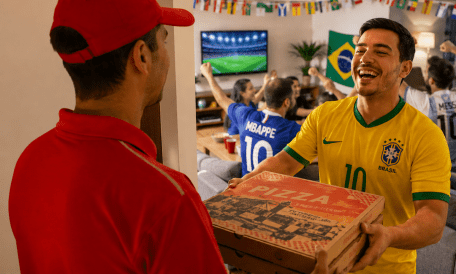
Food delivery demand rose around match times. In India, late fixtures lifted orders for pizzas, burgers, fries and beverages, and Business Standard reported that one customer in Chandigarh placed a 16,444-rupee, or $140, finger-food order. In Israel, Wolt told the Jerusalem Post that orders during matches rose 20%, with family pizzas up 35% and ice cream up 44%.
Uber data supplied to PYMNTS showed fans using the service from 122 countries during the tournament. The company counted more than 35,000 shuttle riders, one Dallas driver who completed more than 70 stadium trips, and one fan who took a 266-mile ride from Arlington to Houston. Uber also reported more than 10 million ranch-dressing delivery orders, with water, electrolytes and Tylenol among leading convenience-store items.
This story draws on original reporting from PYMNTS.