Kevin Warsh convenes Fed task force conference on AI and monetary policy
Fed Chairman Kevin Warsh explored how AI could affect jobs, service prices and productivity, without signalling an immediate interest-rate decision.
By Sarah Jenkins · Chief Macro Economics Correspondent
· 3 min read
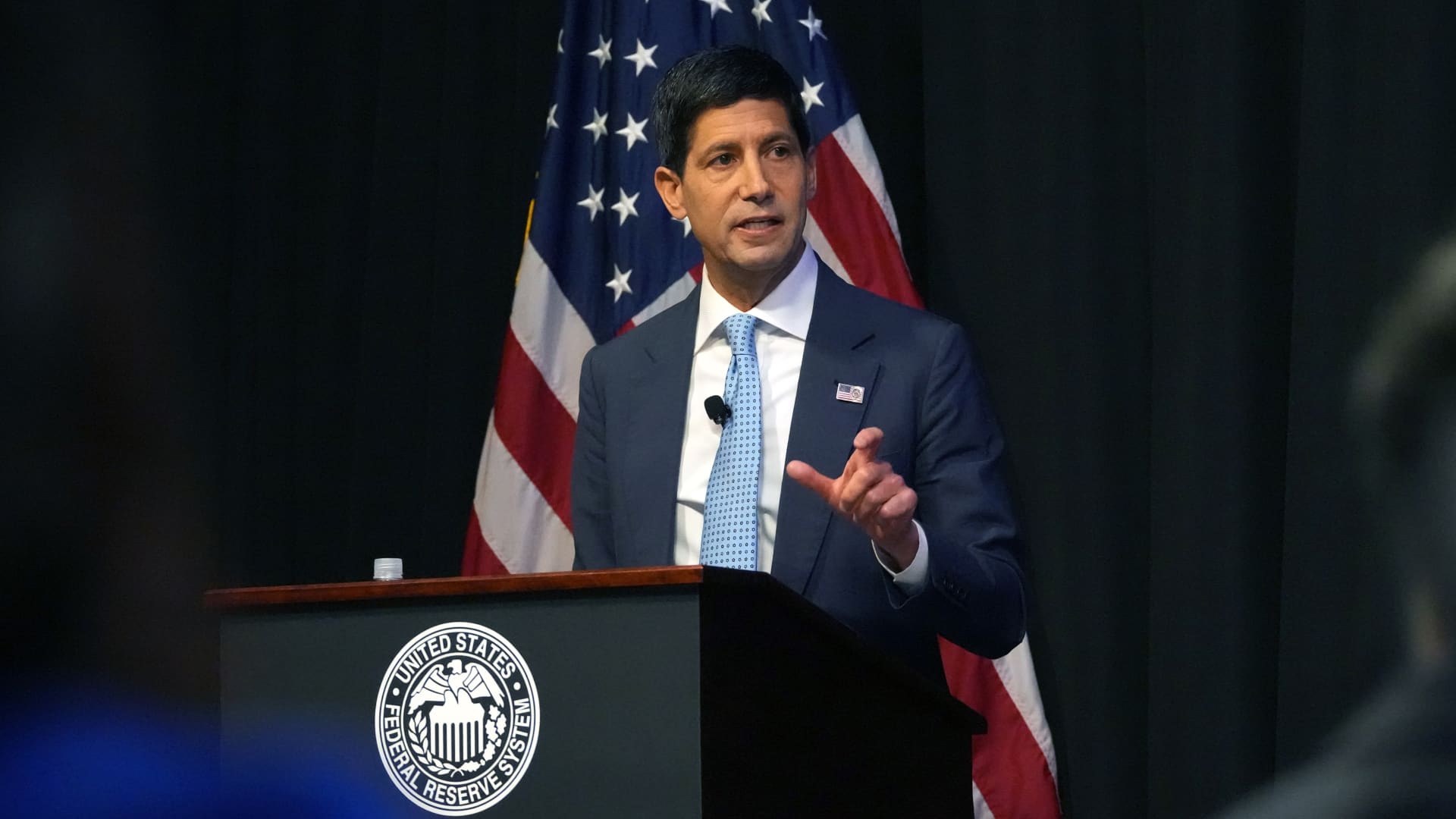
Kevin Warsh's AI task force brought technology executives and economists to a Federal Reserve conference in San Francisco to examine how artificial intelligence could affect productivity, employment and the wider economy, CNBC reported. The discussion did not produce an interest-rate decision, but it focused on changes in service-sector prices and labour demand that could eventually bear on the Fed's inflation and policy assessments.
According to CNBC, Warsh convened the event and moderated three of its four sessions. He described the US economy as being at a turning point, while stressing that the timing and form of any AI-driven change, and its implications for inflation and interest rates, remained uncertain.
How could AI affect Federal Reserve policy?
The policy channel under discussion runs from technology adoption to productivity, employment and prices. If AI allows firms to provide services with less labour or at lower cost, it could put downward pressure on service prices. That would be disinflationary, meaning it could slow the rate of price increases. At the same time, the replacement of workers could weaken employment in affected occupations, making the overall economic effects harder to judge.
CNBC reported that Warsh compared this possibility, cautiously, with the effect of increased low-cost Chinese manufacturing on US goods prices after China joined the World Trade Organization. In the AI scenario he raised, lower prices would occur in services, such as legal or administrative work, rather than in manufactured goods. The comparison was an analytical question, not a Fed forecast.
Warsh asked whether AI could generate medium-term disinflation through services, CNBC said. Panelists largely said that outcome was possible, though the report did not describe a consensus or any Fed adoption of that view. Warsh offered no immediate conclusion on the appropriate level of interest rates.
What happens next for the Fed's AI task force?
The three official members are venture capitalist Marc Andreessen, Stanford economist Chad Jones and Xbox chief executive Asha Sharma, according to CNBC. The group is expected to prepare a report for Warsh in the coming months. The Federal Reserve would then need to consider whether, and how, its conclusions should inform monetary policy.
Andreessen argued at the conference that regulation could curb rapid job displacement in highly regulated areas including health care and education, CNBC reported. That was his assessment rather than an established prediction about AI adoption or employment.
The conference therefore marked an evidence-gathering exercise for the central bank. The key unresolved issue is whether any productivity gains and lower service costs from AI would outweigh, or be offset by, effects on labour demand and other parts of the economy.
This story draws on original reporting from CNBC.