Altman to brief US officials on OpenAI models and work
Bloomberg reported that Sam Altman will meet White House officials and lawmakers as OpenAI presses for a more unified US approach to AI oversight.
By Rafael Ortiz · Fintech Correspondent
· 3 min read
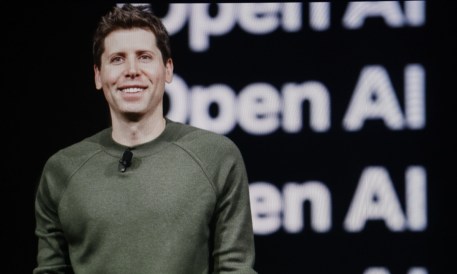
OpenAI Chief Executive Sam Altman plans to brief White House officials and members of Congress next week on the company’s next AI models and their implications for work, Bloomberg reported Tuesday. The meetings come as large AI developers press Washington for clearer rules on model safety, cybersecurity and access to advanced systems.
Bloomberg said the plan was described by Chris Lehane, OpenAI’s chief global affairs officer, at a Washington briefing. Lehane said, according to the report, that the company sees “some really interesting capabilities” in the new model family, especially in relation to work and the ability to scale work.
The briefing places OpenAI’s product roadmap inside a broader policy debate over how the United States should oversee frontier AI systems. These models can be deployed across software development, research, customer service and other knowledge-work functions, which has made their labor-market effects a central question for companies and public officials.
OpenAI pushes for a national framework
Lehane also told the Washington briefing that the United States needs a fuller AI strategy to compete with China and to ensure cybersecurity experts in the US and allied countries can use the most advanced models, Bloomberg reported.
Until federal rules are in place, Lehane said OpenAI will work with state governments and encourage them to align around one approach to AI governance, according to Bloomberg. A single framework would reduce the risk that developers face different obligations across jurisdictions while federal policymakers decide whether to create nationwide standards.
In a July 15 blog post, Lehane wrote that legislation advanced in California, New York and Illinois could help form the basis for a federal standard and a US-led international approach to AI rules. He said the state measures contain several common elements: documented safety frameworks, risk assessments for frontier models, public release of those assessments and their results, reporting of serious safety incidents, and accountability through independent audits.
Such requirements would make companies describe in advance how they test models for severe risks, disclose the outcomes of those tests and report major failures after deployment. Independent audits would add outside review of whether the company’s stated controls match its actual practices.
Lehane wrote that as AI systems gain capabilities, the US needs a coherent structure to place the tools with government agencies, critical infrastructure operators, allies and trusted partners.
Washington weighs model oversight
PYMNTS reported on July 17 that the White House was considering creation of an AI safety regulator. That proposal followed complaints from Silicon Valley over recent government limits on new AI models from companies including Anthropic and OpenAI.
Other AI executives have also called for formal testing institutions. On July 14, Google DeepMind Chief Executive Demis Hassabis urged the creation of a US-led standards body to independently evaluate the most advanced AI models for national security risks before release. The body would examine dangerous capabilities, cybersecurity vulnerabilities and whether safeguards can be circumvented.
The discussions show how model releases are becoming a matter of industrial policy as well as product development. For AI companies, access to government users and global markets may increasingly depend on how safety testing, disclosure and incident reporting are defined by US policymakers.
This story draws on original reporting from PYMNTS.