Clarity Act 2026 vote prospects fade as Senate ethics dispute persists
John Thune said he does not expect a Senate vote before recess, while crypto groups urged leaders to keep the digital assets bill moving.
By Rafael Ortiz · Fintech Correspondent
· 3 min read
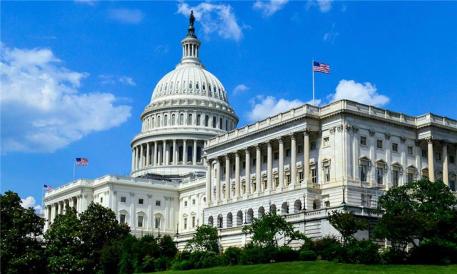
The Clarity Act 2026 effort appears unlikely to reach a Senate floor vote before the summer recess, Senate Majority Leader John Thune told reporters Thursday, according to Politico. The delay narrows the window for a digital assets market-structure bill that crypto companies and some financial firms have argued is needed to establish federal rules for the sector.
Thune, a South Dakota Republican, said he did not expect the measure to come up before recess, Politico reported. The break is expected to leave little room for significant non-essential legislation before November’s midterm elections.
The main unresolved issue is ethics language tied to federal officials’ involvement in digital assets. Republicans released a revised 616-page draft on Wednesday that would prohibit federal officials, including the president, from issuing or sponsoring digital assets. Under that proposal, the Department of Justice would have sole enforcement authority, rather than the Securities and Exchange Commission or the Commodity Futures Trading Commission.
Democrats opposed the Republican framework, saying it was insufficient to address President Donald Trump’s ability to benefit from cryptocurrency activity, Politico reported. That opposition weakens the bill’s chances of clearing the Senate’s filibuster threshold.
Will the Clarity Act pass in 2026?
The bill’s prospects are uncertain after Thune’s comments and Democratic objections to the latest ethics proposal. A Senate vote before the August recess would require negotiators to resolve the ethics dispute quickly and secure enough bipartisan support to overcome procedural hurdles.
Sen. Ruben Gallego of Arizona, one of two Democrats who backed an earlier version in the Senate Banking Committee, criticized the new Republican language. Politico quoted Gallego as saying, “I can’t imagine that that’s a serious effort,” adding that Republicans had taken months of work and produced a proposal he did not view as close to acceptable.
Industry groups are still pressing Senate leaders to advance the bill. In a joint letter to Thune and Senate Minority Leader Chuck Schumer, the Crypto Council for Innovation, the Blockchain Association and The Digital Chamber urged floor debate to begin while committee talks continue.
The groups wrote that the Senate has an opportunity to set “durable rules for digital assets” designed to protect consumers, safeguard markets and support U.S. innovation. They also said traditional financial institutions, asset managers and payments companies are adding digital assets to products and services while the U.S. lacks a uniform federal framework for the sector.
Some crypto policy advocates disputed the pessimistic reading. Solana Policy Institute President Kristin Smith, a former Blockchain Association CEO, wrote on X Friday that her conversations suggested “a clear path to pass the Clarity Act before the recess on August 7.”
What would the Clarity Act do?
The Clarity Act would legalize most cryptocurrency activity in the United States and define which federal regulator oversees different parts of the market. It would draw boundaries between SEC and CFTC authority, with most regulatory responsibility assigned to the CFTC.
Another unresolved issue involves the banking industry’s push for changes related to stablecoins. Banks are seeking stronger limits connected to the GENIUS Act prohibition on stablecoin issuers offering interest or other incentives.
Prediction-market traders have also marked down the bill’s chances. Polymarket traders this month gave the Clarity Act a 32% chance of becoming law in 2026, according to CoinDesk.
This story draws on original reporting from PYMNTS.