Credem cheese bank climate risk rises with Emilia-Romagna heat
Heat waves have lifted Credem warehouse energy use and cut farm milk output, adding pressure to its Parmigiano-backed lending model.
By Rafael Ortiz · Fintech Correspondent
· 3 min read
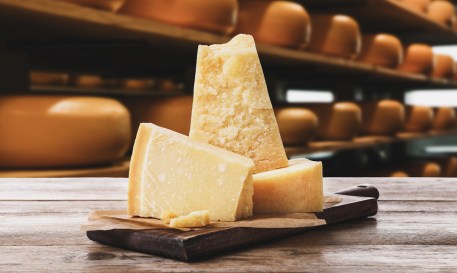
Credem cheese bank climate risk is rising as extreme summer heat increases the cost of preserving Parmigiano-Reggiano pledged against loans and reduces milk output on supplying farms. Fortune reported that daily energy consumption at the Italian lender's warehouses rose about 30% during this year's heat waves, while milk production fell by up to 10% when cows ate less in high temperatures.
The reported effects do not indicate spoilage of the stored cheese, loan defaults or a fall in collateral values. They show how weather-related operating costs and pressure on milk supply can reach a lending structure built around a physical agricultural product.
Credito Emiliano, known as Credem, has accepted young Parmigiano-Reggiano wheels as collateral for local dairy producers since 1953, according to Fortune. Its warehouse subsidiary, Magazzini Generali delle Tagliate, ages the cheese in Reggio Emilia and Modena. The two sites hold more than 500,000 wheels worth more than €300 million, the report said.
How does Credem's cheese-backed lending work?
Parmigiano-Reggiano must mature for at least 12 months, and much of the production ages for 24 to 36 months. That delay leaves dairies with costs for livestock, feed, labour and production before they can sell their inventory.
Under Credem's model, producers typically receive loans equal to 60% to 80% of a wheel's value before sale, Fortune reported. The bank's warehouse operation stores and ages the wheels, monitors their quality and can sell the collateral if a borrower defaults. The arrangement converts inventory that cannot yet be marketed into working capital for the producer.
Credem has also used blockchain as a record-keeping system for pledged wheels. Fortune reported that the technology permits some cheese to remain at producers' premises while its location and status are tracked, and described the system as having doubled the lender's lending capacity. The system is not a tradeable digital version of the cheese; it is infrastructure for identifying and monitoring physical collateral.
Credem said in its 2023 sustainability report that the programme had more than €291 million in operational credit lines, including more than €93 million handled through the blockchain platform, and supported 137 businesses. Those figures are historical context rather than an indication of current loan performance.
Where heat reaches the credit model
The first effect is in storage. Higher temperatures require more cooling to maintain conditions in which the wheels age, increasing the cost of safeguarding the collateral. Fortune reported that Credem responded by upgrading cooling systems and boilers, adding insulation and expanding renewable power generation.
The second effect begins on dairy farms. Heat can cause cows to eat less, reducing milk supply and potentially raising pressure on the production base that supplies the cheese. Farmers have added fans and water-misting equipment, according to the report.
The result is a direct chain from farm conditions to the costs surrounding a secured loan: heat affects milk availability, cheese production and temperature-controlled storage. The evidence reported so far concerns those operational pressures, rather than confirmed credit losses at Credem.
This story draws on original reporting from PYMNTS.