Data center electrician pay rises as AI buildout strains labor supply
AI data center construction is pulling electricians into rural projects, with Indeed finding some roles pay 42% more than comparable jobs.
By Rafael Ortiz · Fintech Correspondent
· 3 min read
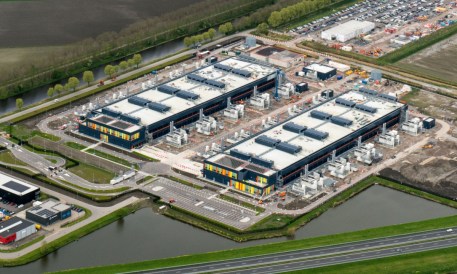
Data center electrician pay is rising as the AI infrastructure buildout pulls skilled tradespeople toward large projects, especially in rural areas, according to a Wednesday report by The New York Times. An Indeed analysis cited by the Times found hourly installation and maintenance jobs at data centers pay 42% more than comparable roles in other sectors, a premium that is reshaping labor competition across construction.
The work has helped offset weaker activity in parts of the industry, including office construction and housing, the Times reported. The same demand is also tightening the supply of electricians and other skilled workers available for competing projects.
Why is data center electrician pay rising?
Developers are spending more to attract workers because AI data centers require large pools of trained labor for installation and maintenance, and many projects are being built outside major urban labor markets. Higher wages, signing incentives and richer per diem payments can make those jobs more attractive than nearby construction work, according to the Times.
Mario Iacobacci, who leads the construction and infrastructure advisory practice at Oxford Economics, told the Times that limited resources mean one project can draw capacity away from another. “There’s no question the resources are very limited, so decisions to build one thing kind of drag from another,” he said.
The pay premium has produced a bidding contest in markets with heavy data center construction. Contractors are turning to staffing firms including Aerotek as they try to fill roles while retaining workers who may be approached by rival projects, the Times reported.
Marty Schager, Aerotek’s director of data center market development, said the hiring pressure is difficult for employers to manage. “It is creating a labor tension that is really delicate,” he told the Times.
Schager also said some workers who are not actively looking for jobs may still be receptive to offers. “You’ve got a passive job-seeker community out there right now that I think is looking to potentially capture opportunity with this once-in-a-generation data center gold rush,” he said.
What does the labor squeeze mean for construction?
A labor squeeze can raise project costs and complicate scheduling when several builders need the same specialized trades at the same time. In this case, the Times reported that data center demand is supporting employment in the sector while also putting pressure on contractors outside the AI infrastructure boom.
The broader buildout is also facing political and community scrutiny. PYMNTS reported earlier this month that New York state adopted a moratorium on new data center construction, while similar proposals are being considered in Minnesota, Michigan, New Hampshire, Pennsylvania, South Carolina and Virginia.
Law firm Foley & Lardner wrote in an analysis that New York’s action may not, by itself, change the course of U.S. data center expansion, but it marks a notable point in oversight of AI infrastructure. The firm said states are weighing economic development against energy, environmental and community concerns, and that future projects should expect closer review.
For developers, the immediate constraint is practical as well as regulatory: securing enough qualified workers to build the capacity that AI companies and cloud operators are demanding. For electricians, the boom has created unusually strong bargaining power in selected markets, according to the Times and Indeed data cited in its report.
This story draws on original reporting from PYMNTS.