Digital economy uncertainty becomes an engagement tool across finance
Wharton and PYMNTS research links betting, prediction markets and gamified finance to platforms monetizing unresolved outcomes.
By Rafael Ortiz · Fintech Correspondent
· 3 min read
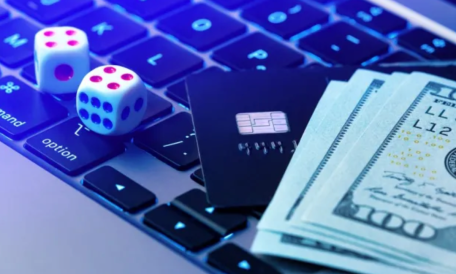
Digital economy uncertainty is increasingly being built into consumer finance, commerce and media products as a way to keep users returning, according to research and analysis from Wharton and PYMNTS. Americans wagered more than $160 billion on sports last year, industry figures cited by Wharton show, after the Supreme Court’s 2018 decision cleared the way for states to legalize sports betting.
The trend extends beyond sports books. Prediction markets let users place money on elections, economic releases and geopolitical outcomes, while crypto venues promote continuous trading and retail investing apps use streaks, badges and rapid feedback. Shopping platforms have also adopted limited-time offers, mystery incentives and randomized rewards to encourage repeat visits.
Why is everything online starting to feel like gambling?
Wharton’s research, titled “Why is Everything Gambling Now?”, frames the issue as a broader shift in digital platform economics. The argument is that many platforms now sell the experience of anticipation, rather than only the final outcome of a bet, trade or purchase.
The mechanism is familiar across product categories. A user makes a quick decision, receives near-instant feedback and is prompted to return for the next unresolved event. Infinite scrolling, real-time alerts, one-click transactions and instant settlement compress the interval between action and reward, making repeated participation easier.
Behavioral economists have long found that people can give disproportionate weight to unlikely rewards. Michael Platt, a neuroscientist and professor at the University of Pennsylvania who studies risk-taking, wrote in the Wharton research that human decision-making evolved in environments shaped by incomplete information. “Our brains didn’t evolve in a world of guaranteed paychecks and retirement accounts,” Platt wrote.
How do digital platforms make uncertainty profitable?
Uncertainty can be monetized when it creates a reason to check again. An open sports wager, a volatile stock position, an election contract or an expiring shopping promotion leaves the user waiting for resolution, which can translate into more sessions, more transactions and more data for the platform.
PYMNTS Intelligence research points to the same commercial focus on frequency and immediacy. Its report “Banking Both Sides: Instant Payouts Turn Receivers Into Customers” found that gig, creator and marketplace platforms are among the most aggressive users of instant payouts, with nearly one-third of senders offering them always or most of the time.
Finance is one of the clearest places where entertainment-style design has entered mainstream products. Short-dated options, leveraged exchange-traded funds, meme stocks and event-based contracts all invite frequent decisions and close monitoring, with outcomes tied to short-term price moves or specific events rather than long holding periods.
Digital wallets can reinforce that pattern by making access easier. PYMNTS Intelligence’s “The Wallet Effect” report, produced with Velera, found that strong millennial interest in cryptocurrency rose from 31% to 35% when access was offered through a digital wallet. Among credit union members, strong interest in stablecoins rose from 5% for direct payments to 12% when stablecoins were available through a wallet.
For executives, the question is how to handle products that use uncertainty as a retention tool without obscuring risk. PYMNTS’ “Policy Risk, Tariff Impact and the Price of CFO Uncertainty” data book found that volatility can turn unpredictability into a measurable drag on performance. The same design logic that boosts engagement can also expose users and firms to more frequent risk-taking when financial products begin to resemble entertainment interfaces.
This story draws on original reporting from PYMNTS.