Fed Payment Account proposal draws bank and FinTech pushback
Banks want stricter oversight while FinTechs seek FedACH access as the Fed weighs a narrower payment account for eligible institutions.
By Rafael Ortiz · Fintech Correspondent
· 4 min read
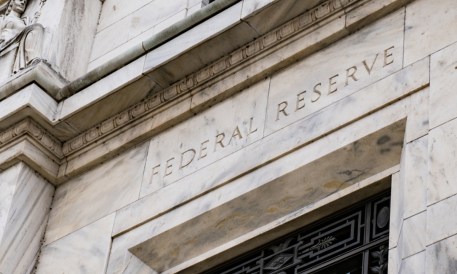
The Fed Payment Account proposal has drawn competing demands from banks and FinTech groups as the Federal Reserve’s July 27 comment deadline arrives. The plan would give certain legally eligible institutions a narrower route into Reserve Bank payment services, but it would exclude FedACH and withhold the broader privileges of a master account.
Under OP-1878, the Federal Reserve would create an optional, special-purpose account for institutions that already qualify under law for Reserve Bank accounts. The proposal does not widen legal eligibility. It is intended, according to the Fed, to support private-sector payments innovation while managing risks covered by its Account Access Guidelines.
What is the Fed Payment Account proposal?
A Payment Account would let an eligible institution clear and settle payments for itself and its customers through selected Federal Reserve services without receiving the full features of a master account. The Fed expects most applications to come from Tier 2 and Tier 3 institutions, which include non-federally insured firms subject to varying degrees of federal prudential oversight.
The proposed account would allow access to Fedwire Funds, FedNow, the National Settlement Service and Fedwire Securities for transfers free of payment. It would not provide access to FedACH, intraday credit, discount-window borrowing or interest on balances. Transactions that would create an overdraft would be rejected.
The Fed would set closing-balance limits according to expected payment needs, with a normal maximum of $1 billion. There would be no intraday balance cap, and temporary balances above the closing limit could be allowed in unusual circumstances. Repeated breaches could lead to tighter restrictions or account closure.
The proposal also sets review targets. Tier 1 requests would generally be assessed within 45 days after required documents are received, while Tier 2 and Tier 3 Payment Account applications would generally be reviewed within 90 days. The Fed said those are targets rather than binding deadlines, and a Reserve Bank could take longer after consulting the Board.
Why do banks want stricter conditions?
Several community banks told the Fed that the proposed limits do not fully address differences in regulation between banks and other eligible institutions. In a comment letter, Bank of Colorado Market President Cameron Armagost said direct access for institutions without comparable prudential and supervisory requirements would provide benefits “without the corresponding safeguards.” He cited Bank Secrecy Act, anti-money laundering and sanctions compliance as areas of concern.
PriorityOne Bank and American Commercial Bank & Trust recommended low initial balance and account limits, mandatory BSA/AML and sanctions controls, continuing review and clear procedures for restricting access when risks arise. PriorityOne also asked the Fed to state that a Payment Account is not a pathway to a master account.
Hebron Savings Bank supported keeping Payment Accounts separate from master accounts and backed limits on interest, daylight overdrafts, Fed credit and discount-window access. It also said any entity with direct access to Federal Reserve payment infrastructure should face ongoing federal prudential supervision.
The bank letters raised commercial concerns as well. Bank of Colorado said direct access could shift deposits and payment activity away from community banks. PriorityOne said such deposits and payment flows support local economic development, small-business lending and rural housing.
Why do FinTechs want FedACH included?
The Financial Technology Association said in its July 27 letter that it supports the Payment Account structure but believes excluding FedACH would limit its usefulness for payment companies. The group said the account would not offer practical access to core U.S. payment infrastructure unless FedACH is included.
FTA pointed to the role of ACH in payroll, direct deposit, recurring consumer and business payments, government disbursements, account funding and bill payment. Citing Federal Reserve data, it said FedACH payment value reached $104.06 trillion in 2024. It also cited Nacha data saying two banks handled about half of U.S. ACH transactions in 2024, arguing that continued reliance on intermediaries would preserve concentration in ACH origination.
The Fed proposed excluding FedACH because Payment Accounts would be limited to services with automated overdraft controls. FTA acknowledged that ACH lacks those controls, but said the risk could be managed through prefunding, real-time balance checks, initial limits to ACH credits, work with Nacha on operating controls, transaction and volume limits, and stronger reporting.
The comments leave the Fed to decide whether to add any FedACH access, what oversight should apply to non-federally insured applicants, how balance and account limits should work, and how much timing certainty applicants should receive under any final framework.
This story draws on original reporting from PYMNTS.