Gen Z government disbursements hit problems for 63%, PYMNTS says
A PYMNTS Intelligence and Visa Direct survey says younger U.S. recipients face more delays, checks and costs when government payments arrive.
By Rafael Ortiz · Fintech Correspondent
· 3 min read
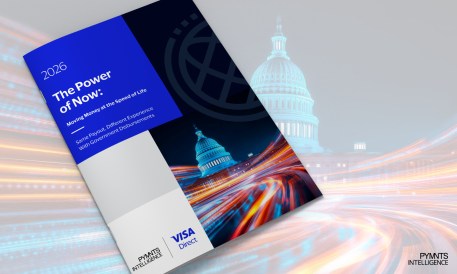
Gen Z government disbursements are generating more payment friction than payments to older Americans, with 63% of Gen Z recipients encountering snags, according to PYMNTS Intelligence. The July 2026 report, produced with Visa Direct, says payment delays and uncertainty can leave recipients facing late fees, short-term borrowing or extra calls to public agencies.
The report, Moving Money at the Speed of Life: Same Payout, Different Experience With Government Disbursements, is based on a survey of 2,323 U.S. adults who had received at least one federal, state or local government disbursement in the previous 12 months. PYMNTS Intelligence said the survey was conducted from December 2025 to January 2026.
Government disbursements include public payments such as tax refunds, disaster assistance or other funds issued by federal, state or local bodies. The report examined the types of payments recipients received, how money was delivered, how quickly it arrived, whether recipients could choose a payment method, and what happened when payments were late or unclear.
Why are Gen Z government disbursements causing problems?
PYMNTS Intelligence said younger recipients, especially Gen Z and millennials, reported more problems than older consumers across speed, choice, convenience and security. Those problems included waiting for funds to clear, being unsure when money would be available, following up on delayed checks and completing additional identity checks.
The financial effects can extend beyond inconvenience, according to the report. PYMNTS Intelligence said a late public payment may force recipients to postpone bills, borrow money, incur late charges or turn to payday loans while waiting for funds.
The operational burden also falls on government agencies, the report said. When payment timing is unclear or a check is delayed, recipients may spend time checking status updates or contacting agencies, adding inquiry volume, reissuance requests and customer-service demands.
How faster debit-card deposits would work
PYMNTS Intelligence and Visa Direct said faster account deposits through debit cards could reduce some of that friction. Visa Direct enables funds to move to eligible cards and accounts, a capability already used in parts of the private sector for faster payouts.
The mechanism is different from a mailed check because money can be routed electronically to an account linked to a debit card, subject to the program and participating financial institutions. The report said this can reduce uncertainty for recipients and help agencies lower avoidable service costs tied to delayed or opaque payments.
PYMNTS Intelligence said younger consumers are accustomed to faster digital payment options in other areas of their financial lives. That makes delays in public-sector disbursements more visible for recipients who rely on speed and clarity when funds are needed for bills or emergency expenses.
The report framed payment modernization as a matter of recipient experience as well as public administration. It said faster and more secure disbursement choices could reduce financial stress, improve satisfaction with government payment programs and support confidence in public payment systems.
This story draws on original reporting from PYMNTS.