Main Street Capital Access Act passes House in 270-155 vote
The House approved a bill easing rules for smaller banks, with merger, capital and examination changes now headed to the Senate.
By Rafael Ortiz · Fintech Correspondent
· 3 min read
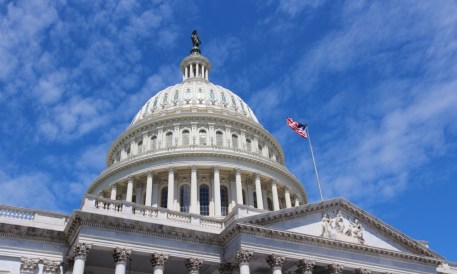
The U.S. House approved the Main Street Capital Access Act on Tuesday in a 270-155 vote, advancing a package of regulatory changes for smaller banks to the Senate. The bill would alter capital, merger, examination and reporting rules, with potential effects for community banks, rural lenders and financial holding companies.
According to a congressional summary of the measure, new banks would receive a three-year period to meet certain capital requirements. The bill would also lower the leverage ratio for certain rural community banks, a change that affects how much capital those institutions must hold relative to their assets.
What does the Main Street Capital Access Act do?
The act directs banking regulators to tailor supervisory actions to an institution’s risk profile and business model, while seeking to limit regulatory burdens. It also requires regulators to review their rules more often and to expand the scope of those reviews, according to the bill summary.
Capital rules are one of the main mechanisms through which banking agencies manage risk. A phase-in period gives a newly formed bank more time to reach required capital levels, while a lower leverage ratio can reduce the amount of capital a qualifying bank must maintain against its balance sheet.
The bill also changes the treatment of some bank mergers. Under the measure, regulators could approve certain mergers without making a determination that the transaction is noncompetitive or monopolistic, according to the congressional summary.
Several dollar-based thresholds would rise under the legislation, making more banks and financial companies exempt from some fees, reports and other regulatory standards. The summary says the bill would increase the asset threshold above which financial holding companies need Federal Reserve Board approval to acquire a company, allowing more acquisitions to proceed without board approval.
The measure would also raise asset thresholds so that more small bank holding companies could operate with higher debt levels, and more small banks could qualify for a longer examination cycle. Examination cycles determine how often regulators conduct on-site reviews of a bank’s condition and compliance.
Why community bank regulation is under debate
The vote comes as community banks have declined as a share of the U.S. banking system. Recent Federal Reserve data show that community banks’ share of U.S. banking assets fell from 28.3% in 2000 to 13.5% in 2020. The number of community banks fell by nearly 70% between 1984 and 2020, according to the same data.
Supporters say the bill would better match oversight to bank size and complexity. The Bank Policy Institute, an industry group that backed the legislation, said in a statement that it would help banking agencies direct regulatory efforts where they are most needed and allow banks to better serve communities and Main Street businesses nationwide.
Opponents argue the bill would weaken safeguards. A coalition of 28 labor, community, consumer and public interest advocacy organizations sent lawmakers a letter urging them to reject the measure, saying it treats bank rules as burdens rather than safeguards that reduce systemic risk, bank failures and publicly financed bailouts, while protecting consumers from predatory practices, redlining and racial discrimination in lending.
The Senate will now determine whether the legislation advances further. No Senate vote was reported in connection with the House passage.
This story draws on original reporting from PYMNTS.