One Inc insurance payments strategy puts intelligence behind invisible flows
One Inc’s Kishore Konakanchi told PYMNTS that insurers need trusted, unified payment systems before they can use payment data effectively.
By Rafael Ortiz · Fintech Correspondent
· 3 min read
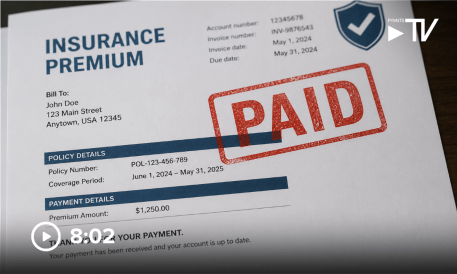
One Inc insurance payments chief product officer Kishore Konakanchi told PYMNTS that carriers should aim to make premium collections, refunds and claim disbursements less visible to policyholders while using the data behind those flows more intelligently. The practical impact, he said, is that payments can move from being isolated service moments to a broader source of signals on customer behavior, fraud risk and operational performance.
Konakanchi described the next phase of insurance payments as “intelligent payments,” not just digital transactions that require fewer steps. In his view, policyholders should be able to complete the insurance task they intended, such as paying a premium or receiving a claim settlement, without focusing on the mechanics of how funds move.
Payments are central to the insurance relationship because they are among the few moments when customers directly experience whether a carrier’s systems work as expected. A successful payment can reinforce confidence in an insurer, while a failed or difficult one can draw attention to problems that had previously been out of sight.
How is One Inc thinking about insurance payment intelligence?
Konakanchi told PYMNTS that insurers need a foundation of trust before they can make useful decisions from payment data. He described the model as a two-layer structure: reliable, secure payment execution first, followed by intelligence built on top of that operating base.
The trust layer includes capabilities such as tokenization, payment card industry compliance and secure outbound disbursement methods that do not expose bank account and routing details, according to Konakanchi. Tokenization replaces sensitive payment credentials with a substitute value, which can reduce the amount of sensitive data a company handles directly. PCI compliance refers to security standards that apply to companies processing card payments.
Once those controls are in place, Konakanchi said insurers can use payment activity to identify patterns that go beyond fraud screening. Those patterns can include whether a policyholder’s behavior looks typical, whether account details have changed unexpectedly, whether fraud indicators are present and which payment rail offers the best experience for a given transaction.
He also told PYMNTS that payment data can expose retention risks before a customer makes dissatisfaction explicit. In that framing, a billing issue or a failed payment attempt is not only an operational event. It can become an early sign that the relationship may require attention.
Why unified payment systems matter for insurers
Konakanchi said many insurers still operate premium collections and claim payments through separate systems. That split can leave carriers with disconnected views of the same policyholder, even though inbound and outbound payments both form part of one customer relationship.
A unified payment infrastructure, he argued, can give insurers a continuous view across collections, claims, refunds and vendor payments. According to Konakanchi, that approach can also support fraud detection, reconciliation and decisions about which payment route to use for a particular transaction.
Reconciliation is the process of matching payment records with internal accounting and policy systems. Payment routing involves choosing the rail or method used to move money, such as a card-based payment, bank transfer or other disbursement option available to the carrier and customer.
Konakanchi said insurers should assess payment behavior at a behavioral level rather than treating each transaction as a stand-alone event. Premium billing, claims disbursements and customer service interactions all produce information that can help carriers understand preferences and friction points, he told PYMNTS.
His broader message to insurers was that payment modernization should not be limited to replacing legacy technology. He said carriers should consider how payment information can inform decisions across the organization while reducing complexity for policyholders across both money coming in and money going out.
This story draws on original reporting from PYMNTS.