Visa launches stablecoin platform for institutional clients
Visa’s beta platform supports minting, redemption and transfers of Open USD as corporate use of digital assets remains limited, PYMNTS reported.
By Rafael Ortiz · Fintech Correspondent
· 3 min read
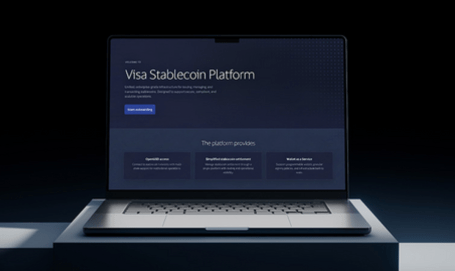
Visa introduced a beta stablecoin platform for selected clients on Thursday, July 16, extending its role in digital payments to the operational layer around blockchain-based money. The launch follows Visa’s June move to join a consortium of more than 140 members backing Open USD, while PYMNTS Intelligence found stablecoin use remains limited to 13% of middle-market companies.
The Visa Stablecoin Platform, or VSP, is designed for financial institutions, FinTechs and crypto companies, according to Visa. The company said the managed environment allows clients to mint, redeem, hold and transfer stablecoins, beginning with support for Open USD, a dollar-backed stablecoin.
Stablecoins are digital tokens intended to maintain a stable value, often by reference to a fiat currency such as the U.S. dollar. Transfers can settle on blockchain rails, but companies using them still need controls over permissions, banking links, audit records and compliance processes.
Visa said VSP includes wallet infrastructure, connections to bank accounts and institutional controls such as dual approvals, audit logs, secure passkeys and allow lists for transfers. Those features address the operating requirements that regulated firms face when moving corporate funds, where transaction authority, permitted destinations and post-trade records must be documented.
Visa targets the operating layer
PYMNTS described the platform as a sign that stablecoins may become products packaged and governed by payment networks rather than a wholesale replacement for them. In that view, blockchains supply settlement infrastructure and stablecoins provide the asset, while companies such as Visa compete to manage the interface, controls and reporting above those rails.
For a bank or FinTech, stablecoin adoption can require decisions on the asset, blockchain, custody model, wallet technology, fiat connectivity and internal approval process. Visa’s product aims to place those functions inside one managed environment, reducing the number of separate integrations an institution must assemble.
The move also points to a broader strategic position for established payment companies. PYMNTS said payment networks can use blockchain settlement while retaining customer relationships, compliance frameworks and operating interfaces. Crypto companies, in turn, may gain institutional distribution through partnerships with networks that already manage risk and global client access.
Corporate adoption remains cautious
The launch comes as corporate use of digital assets remains selective. PYMNTS Intelligence, in its March 2026 Certainty Project report, “Waiting for Certainty: Why Most CFOs Are Holding Back on Crypto and Stablecoins,” said 13% of middle-market firms use stablecoins and 5% use other cryptocurrencies.
Dan Romero, go-to-market lead at Tempo, told PYMNTS’ “From the Block” podcast that cryptocurrency has developed into what he called a “barbell economy” split between speculative markets and payments infrastructure. Romero said the companies that have endured in digital assets are focused on improving money movement, and added: “Most of what has happened in crypto over the last decade has not really impacted the real world.”
Visa’s VSP places the company in the market for enterprise tools around stablecoins, including reconciliation, governance and account connectivity. The platform remains in beta with selected clients, and Visa has initially tied support to Open USD.
This story draws on original reporting from PYMNTS.