White House Fraud Ledger sets out anti-fraud claims and measurement rules
Fraud.gov reports $229.9bn identified, $56.4bn in annualised savings and $55.5bn enforced, measures that should not be combined.
By Rafael Ortiz · Fintech Correspondent
· 3 min read
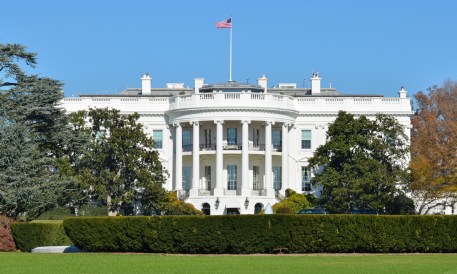
The White House Fraud Ledger, a new public dashboard at Fraud.gov, sets out the administration’s claims for fraud identified, payments prevented and enforcement proceeds across federal programmes. The White House lists $229.9 billion of estimated fraud uncovered since January 2025, $56.4 billion of annualised fraud stopped and $55.5 billion enforced through indictments, settlements and civil monetary penalties.
The Denver Gazette reported on August 6 that the White House had launched the site. Branded “The Fraud Ledger,” it is presented as a record of fraud, waste and corruption identified by the administration’s Task Force to Eliminate Fraud.
The figures are agency-reported measures with different definitions and time bases, rather than comparable amounts that can be added into one recovery total. The distinction is material for readers assessing the dashboard’s headline claims.
What do the White House Fraud Ledger figures mean?
According to the White House, “fraud uncovered” is an estimate of fraud identified through data analysis. Its $229.9 billion figure is measured from January 2025.
“Fraud stopped” refers to estimated annual savings from administrative measures, including provider suspensions and rule changes. The $56.4 billion figure is annualised, meaning it expresses a yearly rate rather than a cumulative sum for the same period as the uncovered-fraud figure.
“Fraud enforced” covers dollars recovered through indictments, settlements and civil monetary penalties. The White House places that total at $55.5 billion since January 2025. These categories may relate to different stages of enforcement activity and do not represent three separate pools of recovered funds.
What is included on the dashboard?
The site provides a table of figures reported by eight agencies: Health and Human Services, Agriculture, Labor, Housing and Urban Development, the Small Business Administration, Education, Veterans Affairs and Homeland Security. It also carries a ranked list of 10 selected actions and a chronological record of enforcement actions, provider suspensions, indictments and policy launches.
The highest-ranked action says the Centers for Medicare & Medicaid Services deferred more than $2 billion of federal financial participation from California and more than $500 million from Minnesota in connection with Medicaid fraud. Another entry says the Agriculture Department permanently disqualified 735 retailers from the Supplemental Nutrition Assistance Program, imposed term disqualifications on 3,739 others and removed 1,629 fraudulent point-of-sale devices.
Those entries are the administration’s account of its actions and results. The Ledger says the ranked actions are drawn from a White House report issued in August 2026, while the chronological record draws on White House and partner-agency announcements.
Who runs the task force?
Executive Order 14395, dated March 16, 2026, formally established the Task Force to Eliminate Fraud within the Executive Office of the President. The order names the vice president as chair and the Federal Trade Commission chair as vice chair, with participation from departments including Treasury, Justice, Agriculture, Labor, Health and Human Services, Homeland Security and others.
The formal establishment date is later than the January 2025 start date used for the dashboard’s figures. The White House materials supplied do not explain how actions and measurements from that earlier period are incorporated into the task force’s reporting.
This story draws on original reporting from PYMNTS.