AI agents trading tools move from research desks to retail brokerage accounts
Brokerages and startups are building AI agents for portfolios, with investors weighing automation gains against control and compliance risks.
By Amanda Ross · Deals Correspondent
· 3 min read
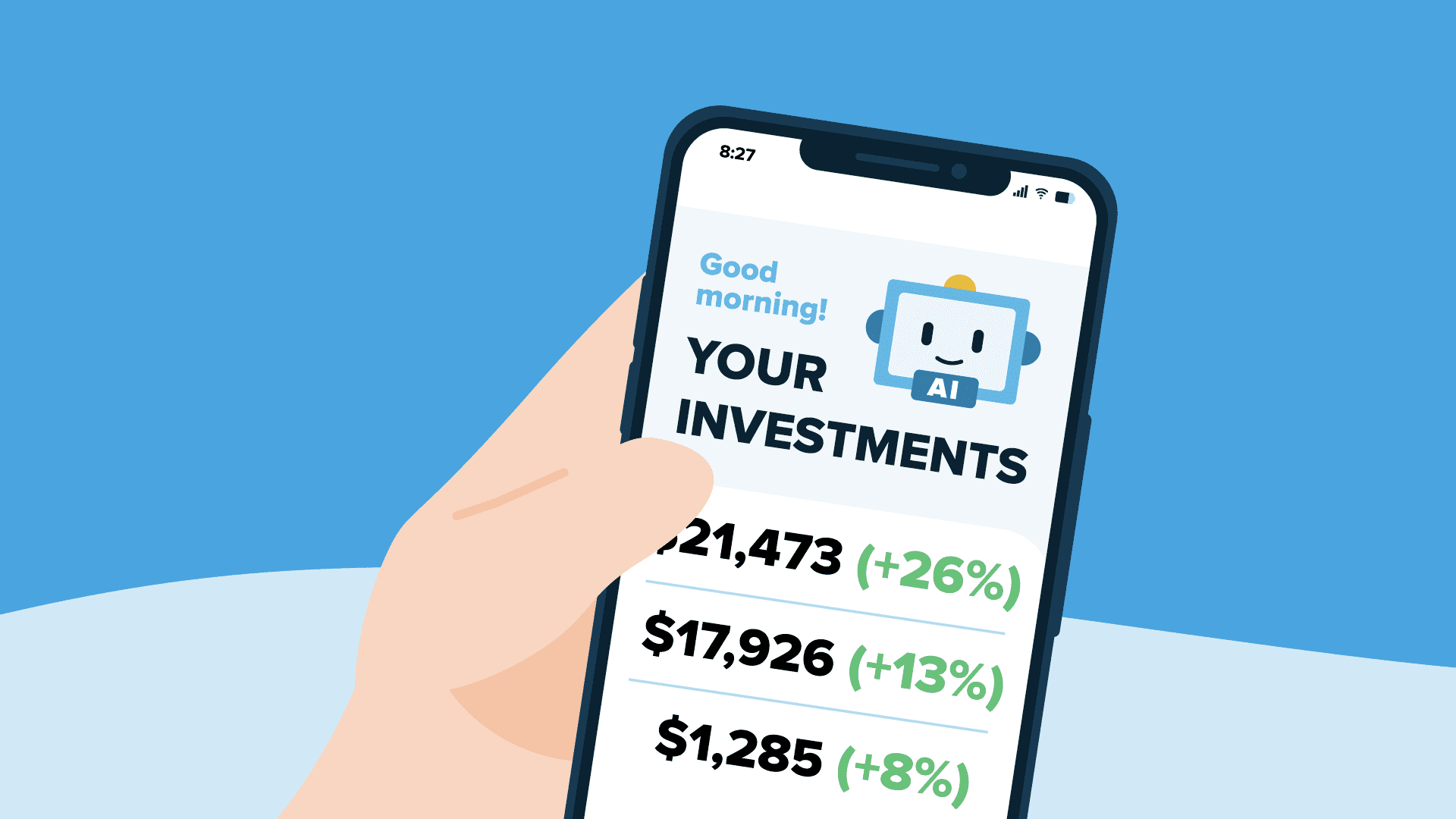
AI agents trading tools are moving into retail finance as brokerages, startups and individual investors test systems that can monitor portfolios and automate investment tasks. Devin Ryan, head of financial technology research at Citizens, told CNBC that such systems could eventually lift transaction volumes by at least tenfold, reshaping how often retail accounts trade.
The idea is to let software act on an investor’s goals, risk limits and financial timetable, rather than only generate research or market commentary. Ryan said the technology could give individuals a service resembling a round-the-clock family office, with AI tracking investments, cash, taxes, borrowing and mortgages while users are not actively managing their accounts.
Ryan said full autonomy is still being developed, but he expects broader adoption within the next few years. He also said that, by the end of next year, agents could account for most trades by number on some platforms.
What are AI agents for trading?
AI agents for trading are software systems designed to carry out defined investment tasks after receiving instructions from a user or platform. Depending on the permissions granted, an agent may analyze holdings, propose trades, rebalance a portfolio or execute parts of an investment strategy.
Several companies are starting with limited authority rather than giving systems complete control. Podium Markets AI has built an assistant called Ivy that reviews a customer’s portfolio across multiple brokerage accounts and makes recommendations based on stated goals and risk tolerance. Dirk Mueller-Ingrand, the startup’s co-founder and chief executive, told CNBC that Ivy does not place trades by itself, saying the AI informs users while the human makes the decision.
Large retail platforms are also experimenting with the model. Robinhood introduced tools in May that allow third-party AI agents to connect to customer accounts, according to CNBC. Public is developing its own AI agents to automate investing workflows inside its platform.
Leif Abraham, Public’s co-founder and co-chief executive, told CNBC that agentic finance moves beyond research toward automated execution of investment strategies. Public still requires customers to review and approve a workflow before an agent carries out investment tasks, Abraham said.
Retail investors are already testing general AI tools
Some investors have used general-purpose AI systems since ChatGPT became widely used in late 2022. CNBC reported that tools including ChatGPT and Anthropic’s Claude have been used to summarize earnings reports, research companies and generate stock ideas, with uneven results.
Obioha Okereke, a 29-year-old technology consultant in Georgia and founder of College Money Habits, told CNBC he built a Claude-based agent to look for undervalued stocks and options opportunities. He said he reviewed each suggestion before trading and described AI as a tool rather than a replacement.
Thomas Schlossmacher, a 31-year-old retail investor whose company Specialty Tokens builds AI systems for businesses, told CNBC he tested a trading agent after seeing online claims about AI finding profitable patterns. He said the experiment lost money consistently and cautioned against giving an agent broad discretion without professional oversight.
Why firms are focused on guardrails
The central risk is interpretation. A customer may ask an agent to grow a portfolio aggressively, but that instruction could imply higher volatility, concentrated positions, options exposure or a greater chance of loss unless the system and user define the limits clearly.
Ryan said firms must keep customer interests central and ensure agents behave as intended. As AI systems gain more authority over accounts, brokerages and startups face pressure to prove that automation, approvals and compliance controls can keep pace with the technology.
This story draws on original reporting from CNBC.