AI distillation scrutiny rises after Moonshot's Kimi K3 release
Moonshot AI's Kimi K3 has pushed distillation into a policy fight over open-weight models, IP protection and China's AI gains.
By Amanda Ross · Deals Correspondent
· 4 min read
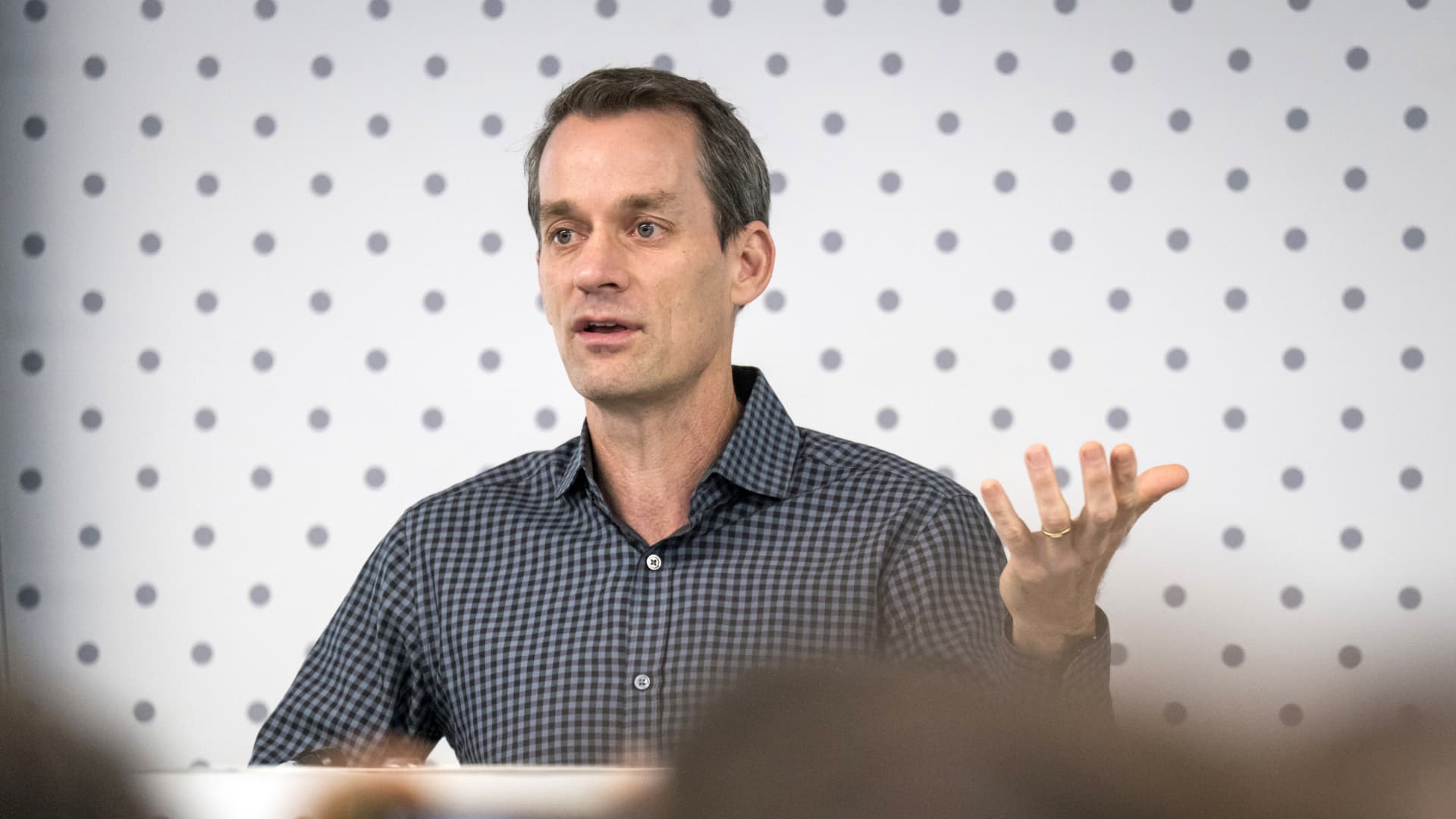
AI distillation and Kimi K3 moved to the centre of the U.S. technology policy debate after Chinese lab Moonshot AI released a model that users found competitive with leading commercial systems from Anthropic and OpenAI. The dispute has drawn in White House officials, major U.S. technology companies and AI security specialists because it touches on cost, intellectual property and national security.
Moonshot is among several Chinese developers offering open-weight AI models. Unlike proprietary systems sold through controlled access by leading U.S. AI companies, open-weight models can be downloaded, modified and operated on users' own infrastructure. That structure can lower usage costs and give companies more control, while also making the technology harder to restrict once released.
What is AI distillation?
AI distillation is the practice of using answers or other output from a stronger model to train or improve another model, often a smaller or cheaper one. Google AI lead Jeff Dean described distillation in February as a key method for making smaller models more capable, saying a frontier model is needed before its capabilities can be distilled into a smaller system.
The technique is widely used in model development, according to researchers and companies cited in the debate. Shashi Bellamkonda, research director at Info-Tech Research Group, said distillation is a legitimate method for training a smaller, less costly model on the output of a larger one and is used regularly. Nvidia used distillation in training its Llama Nemotron series, according to a research paper associated with those models.
The controversy turns on authorization. Pukar Hamal, founder of AI security firm SecurityPal, compared questionable use of distillation to one student copying another student's completed work after the first had done the studying and assignments. OpenAI and Anthropic ban distillation of their models in their terms of service, according to Bellamkonda, who said their position amounts to treating unauthorized use of larger models as potential intellectual property theft.
White House adviser Michael Kratsios said on X that the administration had information indicating Moonshot AI used Anthropic's Fable model to develop K3. He said Moonshot built an internal system for large-scale distillation against U.S. models and could switch among access methods to avoid detection. CNBC reported those claims in the context of growing concern over Chinese AI progress.
Anthropic has taken a similar line. In a February post, the company said DeepSeek, Moonshot and MiniMax had distilled Claude capabilities on an industrial scale using about 24,000 fake accounts and 16 million exchanges. Anthropic said preventing illicit distillation was a national security issue because U.S. AI companies build safeguards against uses such as bioweapons development and malicious cyber activity.
Other technology companies have warned against broad curbs on open-weight models. Nvidia, Microsoft, Meta, Palantir and more than 20 other companies released a letter on Friday urging policymakers to avoid “premature restrictions” that could “stifle competition or drive innovation overseas.” The companies described distillation as a common practice used for model improvement, evolution and validation.
Colin Shea-Blymyer, a research fellow at Georgetown's Center for Security and Emerging Technology, said U.S. officials are still working out their position. He said the government could argue that Chinese and Russian companies have used outputs from American models to improve their own systems and gain an unfair advantage.
Box CEO Aaron Levie, who signed the industry letter, said U.S. companies need access to the best technology wherever it is developed to remain competitive. He said broader innovation, whether from the United States, China or elsewhere, should be expected to push AI toward lower costs and greater efficiency over time.
The dispute is complicated by the training practices of the U.S. AI companies themselves. Max Pritt, an attorney at Boies Schiller Flexner representing book authors in copyright litigation against AI firms, said the administration has publicly focused on protecting technology companies' intellectual property while saying little about creators and individuals whose work was allegedly used without authorization.
This story draws on original reporting from CNBC.


