Judge dismisses Alaska Senate election lawsuit; DOJ says it will appeal
A federal judge rejected the DOJ’s bid to delay certification in Alaska’s Senate race, citing standing and ballot-secrecy concerns.
By Marcus V. Thorne · Markets Editor
· 3 min read
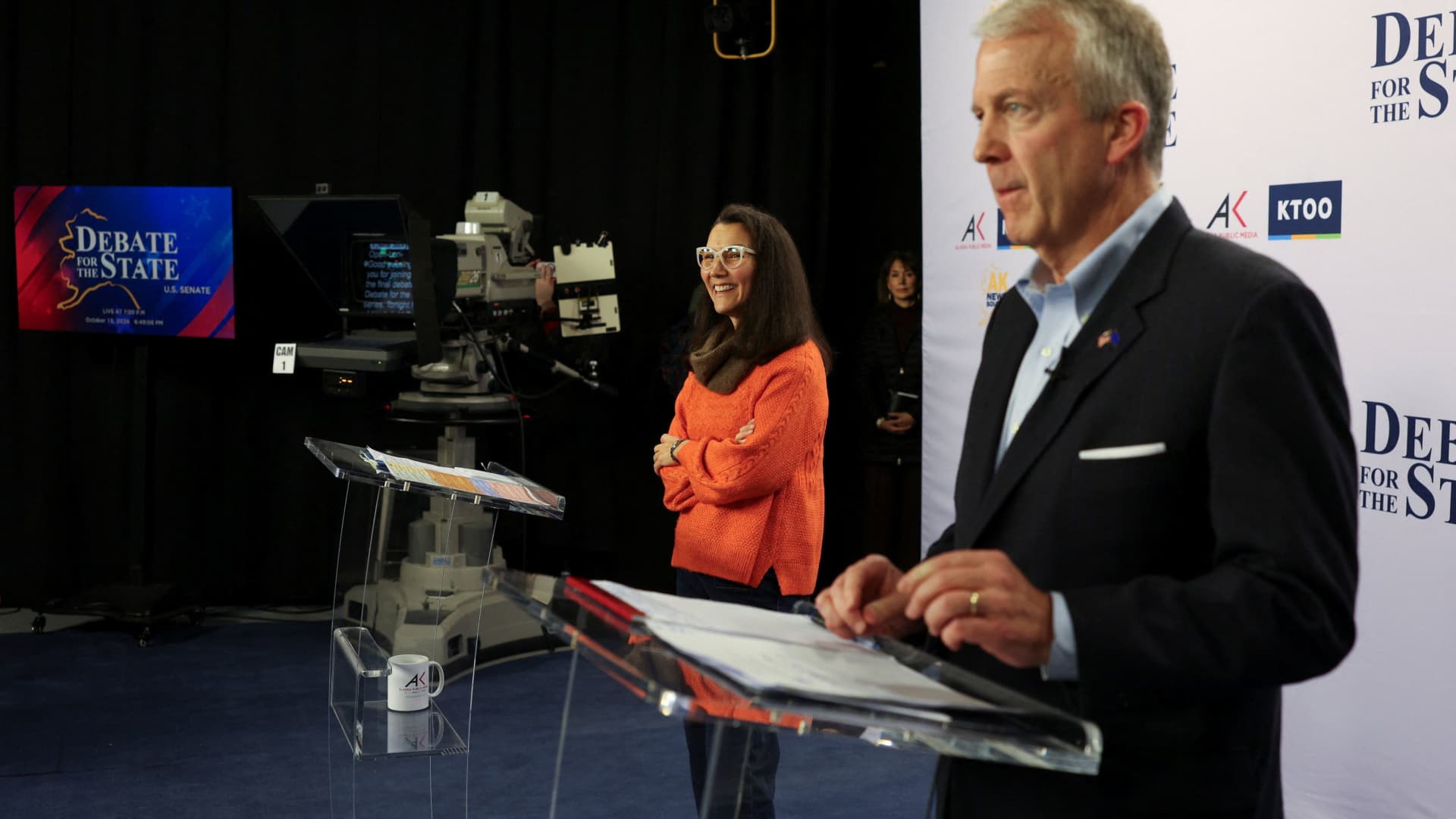
U.S. District Judge Sharon Gleason on Nov. 1 dismissed the Alaska Senate election lawsuit brought by the Justice Department, rejecting its request to delay certification under specified conditions in the state’s Senate contest. The Justice Department filed notice that it intends to appeal to the Ninth Circuit, according to CNBC and Reuters reporting carried by USA Today.
Gleason, sitting in Anchorage, ruled that the federal government had not established the required Article III standing to bring the case. Her decision focused on whether the relief sought could remedy the government’s claimed injury without compromising the secrecy of ballots, rather than on whether voters had actually been confused by two candidates with similar names.
Why did the judge dismiss the Alaska Senate election lawsuit?
The department had asked the court to prevent Alaska from certifying the result if Republican incumbent Sen. Dan S. Sullivan lost and if assigning every vote cast for another candidate, Daniel J. Sullivan, to the incumbent would change the outcome under Alaska’s ranked-choice system. It also sought to investigate whether people who chose Daniel J. Sullivan had meant to vote for the senator.
Gleason found that the government had not offered a workable way to identify and examine those ballots while preserving voter confidentiality. According to CNBC, she noted that early ballots had already been mixed together, preventing election officials from connecting individual votes with individual voters.
In the ruling, Gleason said the government had not explained how its proposed remedy could address its alleged harm while maintaining ballot secrecy. NPR reported that the judge concluded the proposed order would likely violate Alaskans’ right to a secret ballot.
What did the ruling decide, and what remains unresolved?
The dismissal was without prejudice because the court concluded it lacked jurisdiction, CNBC reported. Gleason nevertheless denied the Justice Department permission to amend its complaint, finding that a further amendment would be futile because the court lacked authority to order ballots segregated for an unspecified federal inquiry.
The judge also said the requested orders would affect the time, place and manner of Alaska’s election, matters she described as state responsibilities. She cited the Purcell principle, under which courts are strongly cautioned against changing election rules close to an election.
The decision did not determine whether Daniel J. Sullivan had been recruited to mislead voters, whether voters were confused, or whether any law had been broken. The ballot includes incumbent Dan S. Sullivan, Democratic candidate Mary Peltola, Daniel J. Sullivan and a fourth candidate, and Alaska uses ranked-choice voting.
Peltola’s campaign has denied allegations that it encouraged the other Sullivan to run. NPR and Reuters separately said they had not independently confirmed a New York Times report concerning alleged efforts by Democratic operatives to recruit him. NPR also reported that Alaska Gov. Mike Dunleavy ordered an investigation and that a federal prosecutor said a Justice Department criminal inquiry was ongoing.
A Justice Department spokesperson told NPR that the department planned to appeal, saying Alaskan voters deserved a fair election. The appeal notice challenges a procedural dismissal; it does not alter Gleason’s ruling or resolve the underlying allegations.
This story draws on original reporting from CNBC.