Alibaba and Baidu rise in Hong Kong after Apple AI approvals in China
Hong Kong-listed Alibaba climbed 5% and Baidu rose 4% after China approved Apple Intelligence and the firms confirmed work with Apple.
By Marcus V. Thorne · Markets Editor
· 3 min read
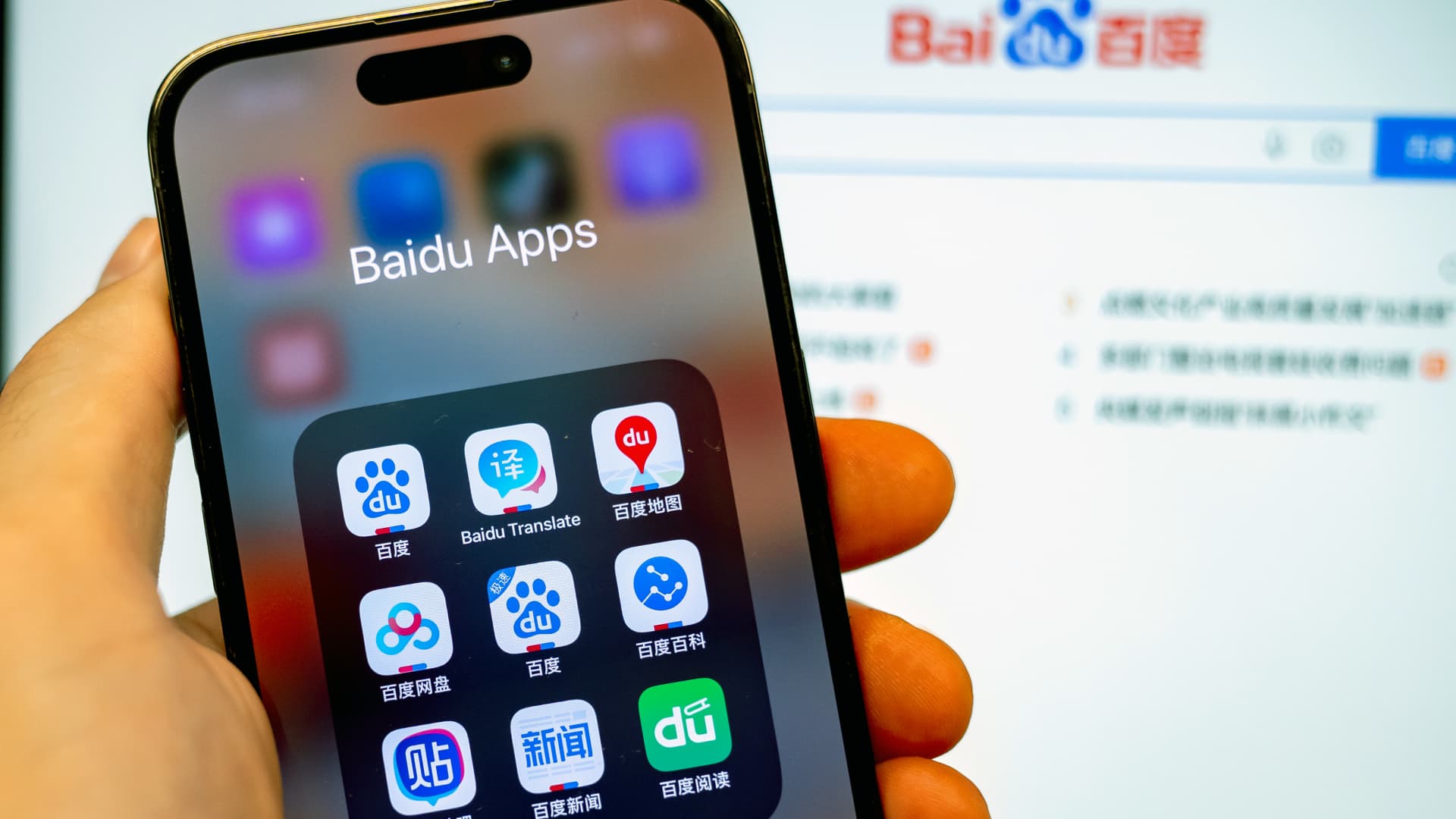
Alibaba and Baidu shares advanced in Hong Kong on Thursday after Chinese regulators approved Apple Intelligence and the two companies confirmed roles in bringing Apple’s artificial intelligence features to users in China. Alibaba’s Hong Kong-listed stock rose 5%, while Baidu’s Hong Kong shares gained 4%, according to CNBC.
The Cyberspace Administration of China said in a notice on Wednesday that Apple Intelligence was among approved smartphone-based AI services. The list also included six other services, among them offerings tied to Huawei Technologies, according to the regulator’s notice.
Alibaba said its Qwen artificial intelligence model would be used in Apple services in China. An Alibaba spokesperson told CNBC that “Qwen will be integrated into Apple Intelligence experiences within iOS, iPadOS, macOS, and vision OS for users in China.”
The same spokesperson said the arrangement would allow users to draw on Qwen’s functions, including text and image understanding and generation, without switching between separate tools. In practical terms, that means a local model would sit inside Apple’s operating-system features for China-based users, subject to the regulatory approval required for such services in the country.
Alibaba’s U.S.-listed shares closed slightly higher overnight after the company described the integration, CNBC reported. The Hong Kong move on Thursday reflected investor attention to how Apple’s China AI rollout may rely on domestic technology partners under Beijing’s approval regime.
Baidu also confirmed that it was working with Apple on Apple Intelligence functions for iPhones in China, CNBC reported. The company, widely known for its search engine, also operates cloud, mapping and other internet services.
The share move follows separate reports in late June that Baidu’s artificial intelligence chip unit, Kunlunxin, was targeting an initial public offering in Hong Kong. CNBC reported at the time that such a listing could value the affiliate at $50 billion.
Apple’s use of local partners reflects the operating constraints facing global technology companies in China, where AI services require regulatory clearance and data, content and model governance are subject to official oversight. For Alibaba and Baidu, the approvals place their AI systems inside one of the world’s largest consumer-device ecosystems, although the companies did not disclose financial terms for the Apple work.
The development comes as China and the United States compete over artificial intelligence capacity and the technology supply chain. The U.S. has sought to limit China’s access to advanced chips, while Beijing has moved to restrict U.S. investment in some Chinese technology companies, CNBC reported.
Research organization RAND said in a report that “AI leadership is becoming central to economic competitiveness, global standard-setting, and the maintenance of democratic governance.” The Apple approvals show how that competition is being expressed not only in chips and cloud infrastructure, but also in the software services embedded in consumer devices.
This story draws on original reporting from CNBC.


