Alibaba to block staff use of Anthropic tools from July 10
Alibaba has placed Anthropic’s Claude Code on a high-risk software list after Anthropic accused the Chinese group of seeking to extract its AI capabilities.
By Amanda Ross · Deals Correspondent
· 3 min read
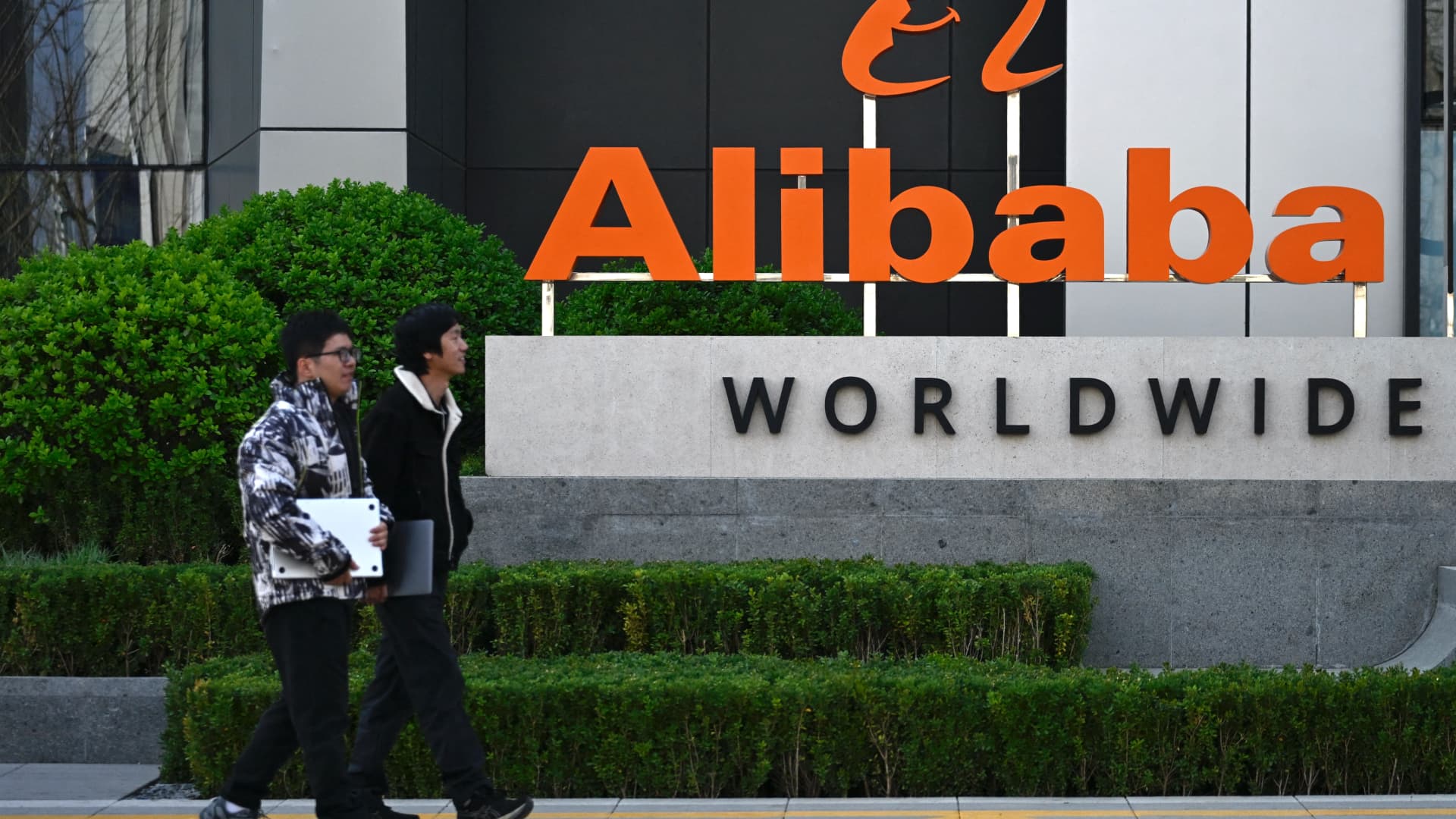
Alibaba will bar employees from using Anthropic’s artificial intelligence tools for work from July 10, CNBC reported, citing concerns inside the Chinese group over alleged back-door security risks. The restriction covers Claude Code, which Alibaba has added to a high-risk software list, according to people familiar with the matter cited by CNBC.
The move adds a corporate controls dimension to a wider dispute between a major Chinese technology company and a U.S. AI developer. Alibaba staff have been told to remove Anthropic models and agent products and use Alibaba’s own AI assistant, Qoder, the people told CNBC.
Alibaba and Anthropic declined to comment to CNBC.
Dispute follows Anthropic letter to U.S. Senate
The internal ban follows a June letter from Anthropic to the U.S. Senate Committee on Banking, Housing, and Urban Affairs. In that letter, Anthropic accused Alibaba of attempting to obtain its AI capabilities in what it described as the largest known distillation attack against the company to date, CNBC reported.
Anthropic used the term distillation attack to describe alleged efforts to extract the capabilities of its models. Such allegations matter for AI companies because model performance is a core commercial asset, and access controls are central to how developers protect their systems and comply with their own usage rules.
Anthropic’s terms of service restrict Chinese companies and entities in other countries it describes as adversarial nations from using its models, according to CNBC. That policy has become a focus as Chinese companies seek exposure to leading generative AI tools while U.S. developers place geographic and corporate limits on access.
Access controls under scrutiny
The ban also comes amid online criticism in China directed at Anthropic. CNBC cited posts on Reddit and GitHub that described hidden code intended to detect whether users may be located in China.
The Financial Times reported Friday that Anthropic is working to close routes that have allowed Chinese companies to reach Claude through third countries. The newspaper cited sources as saying Ant had provided workers with corporate Claude accounts through the company’s intranet, which was connected to its Singapore-based entity.
The Financial Times also reported that ByteDance, the parent of TikTok, does not facilitate access to Claude, but had introduced a reimbursement program allowing engineers to expense personal subscriptions. According to that report, engineers could use those subscriptions through virtual private networks.
Ant and ByteDance declined to comment to the Financial Times, CNBC reported.
A person familiar with ByteDance’s internal policy told CNBC that the reimbursement program, introduced on April 2, was designed to encourage employees to experience and learn about a wider range of AI products and improve their skills. The person asked not to be named because the matter concerned internal policy.
The measures show how AI access policies are becoming part of corporate risk management, particularly where cross-border technology controls, data security concerns and model-protection claims overlap. For Alibaba, the immediate response is operational: employees are being directed away from Anthropic systems and toward an in-house alternative.
This story draws on original reporting from CNBC.


