Chip shares retreat as Samsung results miss investors’ AI expectations
Samsung’s profit update failed to satisfy AI-driven demand expectations, triggering broad losses across memory and semiconductor stocks.
By Sarah Jenkins · Chief Macro Economics Correspondent
· 3 min read
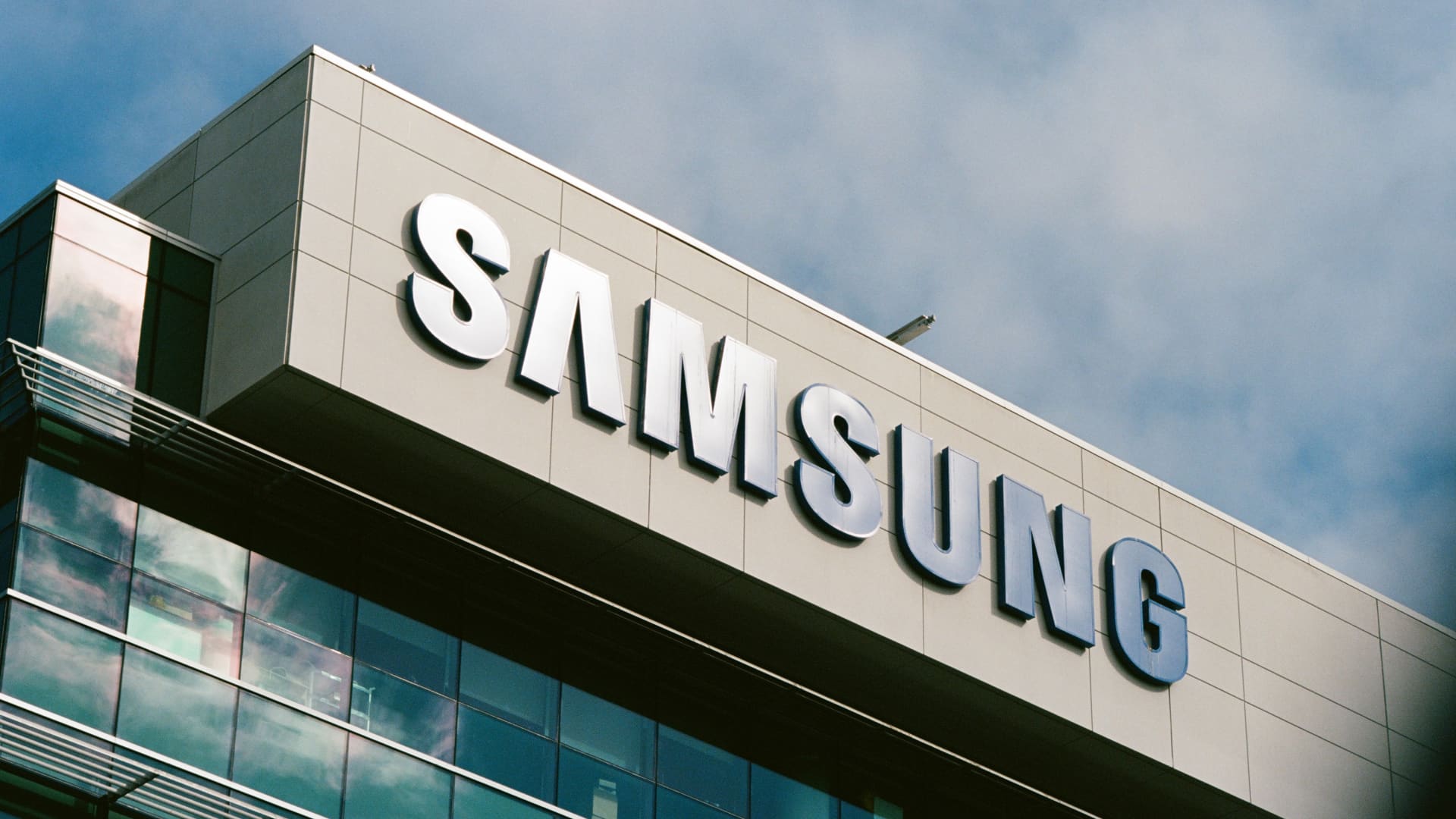
Semiconductor shares fell broadly on Tuesday after Samsung Electronics’ latest profit update failed to satisfy investors’ elevated expectations for artificial intelligence-related demand, according to CNBC. Samsung shares dropped 8%, even though CNBC reported that the South Korean group’s quarterly profit exceeded those of Nvidia and Apple and that the company expected operating profit to rise about 1,800%.
The move underscored a higher bar for companies tied to AI infrastructure. CNBC said investors looked past Samsung’s headline profit strength and focused instead on whether demand for memory and related chips can continue to support recent share-price gains and higher component prices.
Losses spread across Asian and U.S. semiconductor names. South Korea’s Kospi fell about 5% in sympathy with Samsung, CNBC reported. SK Hynix, which CNBC said is scheduled to list shares on the Nasdaq on Friday, declined about 7%. The company plans to raise $28 billion, in what CNBC described as the second-largest sale after SpaceX.
In the United States, CNBC reported that Sandisk fell about 8% and Micron Technology lost about 5%. The iShares Semiconductor ETF declined about 5%. Intel and Applied Materials each fell about 8%, Lam Research dropped 7%, and Advanced Micro Devices declined about 5%.
Memory pricing under scrutiny
Memory chips have been among the clearest equity beneficiaries of AI infrastructure spending this year, according to CNBC. The investment case has rested partly on tight supply: as demand rises for chips used in AI servers and related systems, memory producers can charge more when buyers compete for limited capacity.
CNBC reported that Micron shares have risen more than 220% this year, while Sandisk shares have gained more than 570%. Those advances have increased sensitivity to any sign that customers may resist higher prices or that earnings strength has already been reflected in market valuations.
Higher memory prices can also feed through to end products. CNBC reported that rising memory costs have already pushed companies including Apple and Microsoft to raise prices to offset higher expenses tied to building consumer products.
Tuesday’s trading followed earlier examples of AI-linked companies falling after results that, while strong, did not match investor expectations. CNBC cited prior post-earnings declines in Nvidia and cybersecurity companies including CrowdStrike and Palo Alto Networks as part of the same market pattern.
Deepseek report adds pressure
Sentiment was also affected by a Reuters report that Chinese AI startup Deepseek is developing its own chip. Reuters reported that the effort is aimed at reducing the company’s reliance on Nvidia and working around U.S. export restrictions.
Export controls have limited access by some Chinese companies to advanced U.S. chips. A domestically designed alternative, if successful, could alter demand patterns for leading suppliers, although the Reuters report described a development effort rather than a completed commercial replacement.
CNBC said the selloff may also reflect a reassessment after the memory sector’s strong run this year, as well as investor positioning ahead of SK Hynix’s planned Nasdaq listing. The day’s declines showed that AI exposure continues to support investor interest in chipmakers, while also raising the threshold for earnings updates to sustain valuations.
This story draws on original reporting from CNBC.