U.S. revokes Iran oil sales license after Hormuz tanker attacks
A U.S. official told CNBC the Treasury Department is ending an authorization for Iranian oil sales after attacks on tankers in the Strait of Hormuz.
By Sarah Jenkins · Chief Macro Economics Correspondent
· 2 min read
The U.S. Treasury Department is revoking a license that permits the sale of Iranian oil, a U.S. official told CNBC on Tuesday, after several tankers were attacked in the Strait of Hormuz. The move ties access to oil-sale authorization to security conduct in a shipping corridor central to global trade flows.
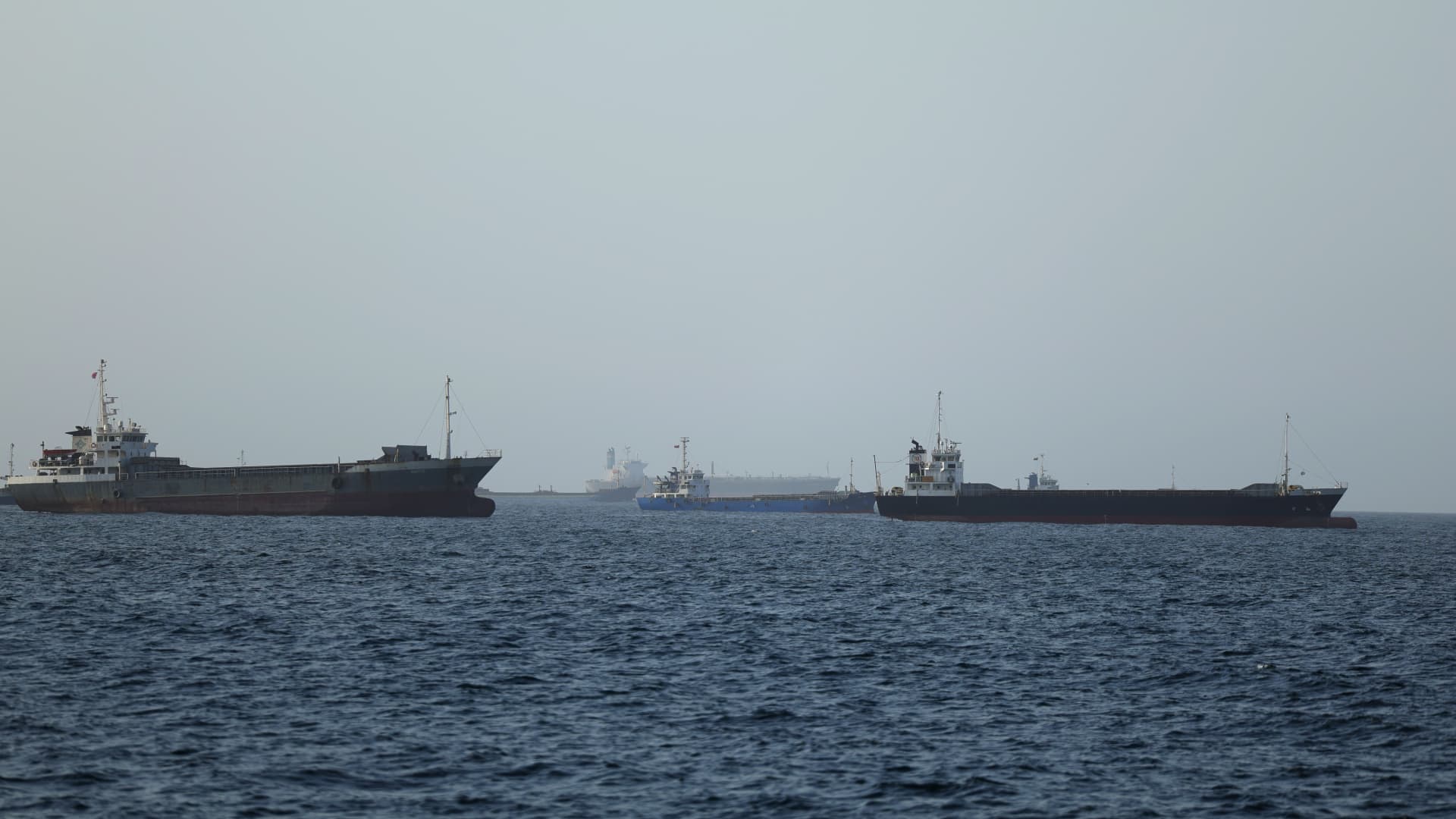
The official said the decision followed the tanker attacks in the strait, a narrow waterway between Iran and Oman that connects the Persian Gulf with the Gulf of Oman. Commercial vessels and oil tankers were photographed waiting in the Gulf of Oman on June 17, according to Anadolu via Getty Images, as traffic prepared for a possible resumption through the route after months of disruption linked to the U.S.-Iran conflict and a blockade.
The Treasury action concerns a license that had allowed Iranian oil sales to proceed under U.S. authorization. Such a license operates as permission for activity that would otherwise be restricted; revocation removes that permission for transactions covered by the authorization.
The U.S. official linked the license to a memorandum of understanding with Iran. “As President Trump and the administration have repeatedly affirmed, the MOU in effect with Iran is entirely performance-based,” the official told CNBC.
The official said Iran would receive benefits only if its conduct met U.S. expectations. “Iran will only reap benefits if they exhibit good behavior,” the official said. “Iran’s actions in the Strait were wholly unacceptable to the United States and will be met with consequences.”
The official’s comments did not identify the tankers involved, the timing of the attacks, the extent of damage, or the specific commercial parties affected by the license revocation. CNBC reported the decision as breaking news and said further updates were expected.
The Strait of Hormuz has outsized relevance for energy markets because it is one of the main maritime routes for oil and other commercial traffic moving out of the Gulf. Any disruption there can draw attention from governments, shipowners, insurers and energy buyers, particularly when security incidents overlap with sanctions policy.
The U.S. decision adds a sanctions-related consequence to the latest maritime incidents. It also signals that Washington is treating the oil authorization as conditional rather than permanent, based on the administration’s assessment of Iran’s conduct under the memorandum of understanding described by the official.
This story draws on original reporting from CNBC.


